
What is Bhakti is a question that often arises when people feel drawn toward God through love rather than fear or obligation, especially during moments of inner reflection.
It usually appears when the heart seeks connection more than explanation.
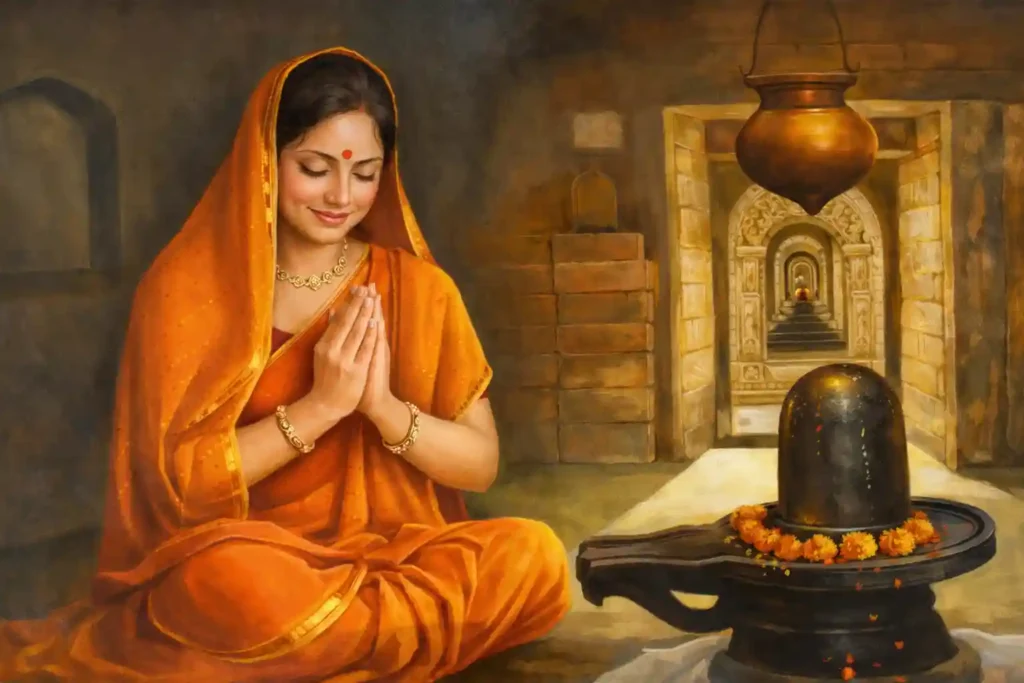
In Sanatan Dharma, what is Bhakti is explained as loving devotion toward the divine. It is the path where the heart leads the spiritual journey.
Bhakti does not demand complex rituals, deep philosophy, or perfect discipline.
It begins with trust, remembrance, and a sincere emotional connection. The power of Bhakti lies in its simplicity, where even small acts of devotion carry deep meaning.
When devotion is honest, Bhakti slowly softens the ego, steadies the mind, and creates a living relationship with the divine that supports a person through every phase of life.
Bhakti is not something that belongs only to saints or monks. It exists wherever there is genuine love for the divine.
The divine becomes close, personal, and emotionally present, which brings comfort and inner strength during both joy and hardship.
In Hindu philosophy, what is Bhakti is understood as a natural movement of the soul toward its source.
Just as a river flows toward the ocean, the heart naturally seeks connection with the divine.
Bhakti allows this movement without resistance. It does not suppress emotions but gently offers love, surrender, hope, and even pain to God.
Over time, this creates emotional healing and inner balance. Bhakti is powerful because it works even when life feels confusing or overwhelming.
In daily life, Bhakti brings meaning to ordinary actions. Work, relationships, and responsibilities become part of devotion, turning everyday living into a quiet spiritual practice.
Table of Contents
ToggleWhat does Bhakti mean in Hindu philosophy?
Bhakti in Hindu philosophy means loving devotion toward Ishvara or the chosen form of God.
It is an emotional and heart-based relationship with the divine. Bhakti focuses on love, surrender, and faith rather than control or logic.
Why is Bhakti considered a powerful spiritual path?
Bhakti is powerful because it works directly on the heart.
It dissolves ego, pride, and fear through love and surrender.
Even simple remembrance and prayer can bring deep inner change through Bhakti.
Is Bhakti only about worship and rituals?
No. Bhakti is not limited to rituals or temple visits.
It includes remembrance, gratitude, service, and living with devotion in daily life.
True Bhakti flows through thoughts, actions, and emotions.
Can Bhakti be practiced by anyone?
Yes. Bhakti is open to everyone without conditions.
Age, gender, education, or background do not limit Bhakti.
A sincere heart is the only requirement on the Bhakti path.
How does Bhakti affect the mind and emotions?
Bhakti brings emotional stability and inner peace.
It reduces fear, loneliness, and restlessness.
The mind slowly becomes calm through trust in the divine will.
What is the relationship between Bhakti and God?
In Bhakti, God is not distant or abstract.
God becomes personal, approachable, and loving.
The relationship may feel like parent, friend, guide, or beloved.
How is Bhakti different from Jnana and Karma yoga?
Jnana focuses on knowledge and inquiry.
Karma focuses on action without attachment.
Bhakti focuses on love and surrender, often blending naturally with both.
Why is Bhakti important in modern life?
Bhakti offers emotional grounding in stressful times.
It gives meaning beyond achievement and success.
In modern life, Bhakti provides inner support and quiet strength.
Final understanding
What is Bhakti is not just a philosophical question.
It is a lived experience of love, trust, and surrender.
The power of Bhakti lies in its ability to transform ordinary life into a sacred journey.
Suggested Reading
To deepen this understanding, you may read What Is Dharma and Why Is It Important?, What Is Atma and Paramatma?, and What Is Moksha in Hindu Philosophy?, already published on thesanatantales.com.