
Table of Contents
ToggleHow Sanatan Dharma Sees Many Divine Forms
People often ask why Sanatan Dharma speaks of so many divine forms. Some people say there are countless gods, some say thirty three crore, and some say only thirty three. When we look deeper, the picture becomes simple and beautiful.
Our tradition teaches that wherever there is purity, wisdom, divine strength or the power to bless, there is Bhagwan. The forms may be many, but the truth behind them is one.
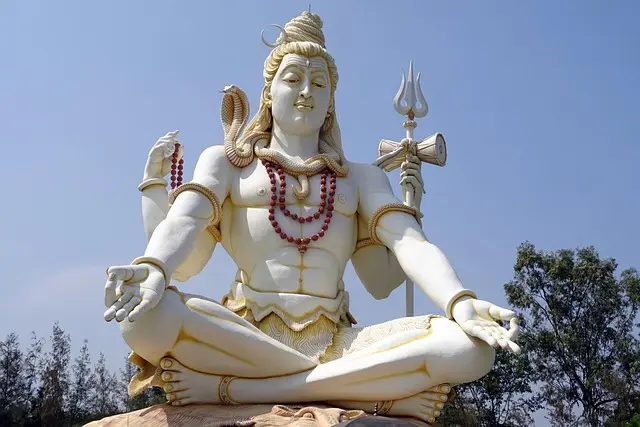
The Real Meaning of 33 Devas
Ancient sages explained this with great clarity. In the Brihadaranyaka Upanishad, Maharshi Yajnavalkya said the devas are actually thirty three in number. They are the eight Vasus, eleven Rudras, twelve Adityas along with Indra and Prajapati.
These divine forces hold the world together. The Vasus represent elements that support life. The Rudras are linked to our senses and mind. The Adityas reflect the Sun’s journey across the twelve months.
Indra is the power that governs. Prajapati is the creative energy that flows through all beings.
How 33 Became 33 Crore
Over time, the word koti began to be understood as crore, but originally it meant category or class.
A simple misunderstanding turned thirty three categories into thirty three crore gods. Yet the heart of Sanatan thought stayed pure and unchanged.
One Truth, Many Names
The Rigveda says:
एकं सद्विप्रा बहुधा वदन्ति
Wise beings speak of the One Truth in many ways.
Just as water appears as river, ocean, rain or stream based on its form, the Supreme appears in many ways to help each heart connect with Him.
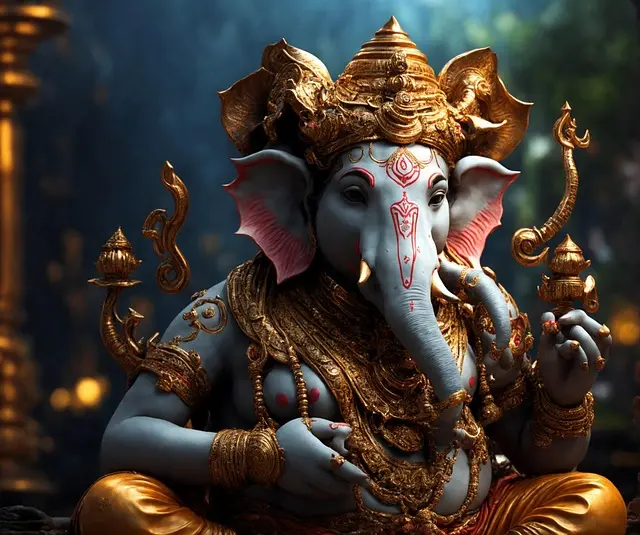
Understanding Divine Energies
In daily life, we see Brahma, Vishnu and Mahesh as the three cosmic movements of creation, sustaining and transformation.
Along with them, Lakshmi, Durga and Saraswati shine as divine mother energies. These forms do not divide the One. They make the One easier to love.
A Story That Explains True Greatness
There is a gentle old story behind this wisdom. Long ago, rishis wished to know who among Brahma, Vishnu and Mahesh was highest. They sent Maharshi Bhrigu to find the answer.
Bhrigu first went to Brahma. When Bhrigu did not offer respect, Brahma felt hurt. Then Bhrigu went to Kailash. Shiva welcomed him warmly, but when Bhrigu spoke harshly, Shiva became angry. Bhrigu ran away and reached Vaikuntha.
There he saw Vishnu resting peacefully. Feeling ignored, he kicked His chest. Vishnu opened His eyes, held Bhrigu’s feet with love and asked softly if he was hurt. That moment melted the sage’s heart. He realised that true greatness lies in compassion.
He returned and said, “The highest is the one whose love is highest.”
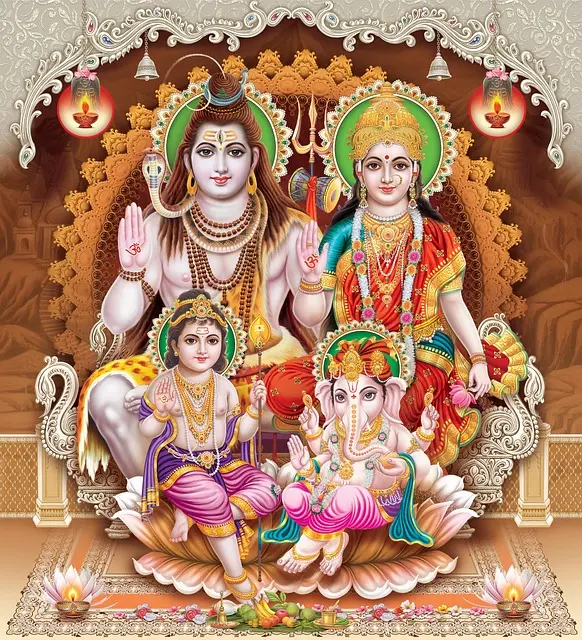
Why Many Forms Bring God Closer
Sanatan Dharma teaches that God is one, eternal and infinite. The many forms are like many doors to the same home.
Each person can choose the door that feels closest to their heart. Just as one sun lights the world through many rays, one Supreme shines through many names.
Different forms do not separate God. They bring Him closer to us.
Conclusion
Sanatan Dharma never asks us to see many gods as many powers. It gently shows that one power expresses itself in different forms so we can understand, love and approach the Divine in our own way.
When we learn this truth, the variety of deities feels like a beautiful expression of one eternal light.
If you want to continue exploring such simple and soulful explanations, you can read more Wisdom and Philosophy articles on thesanatantales.com. They help you walk deeper into Sanatan understanding with ease and devotion.
FAQs
Are there really 33 crore gods in Hinduism?
No. The scriptures mention 33 devas, not 33 crore. The confusion came because the word koti means category, not crore. The real number is thirty three divine classes
Why does Hinduism have so many gods?
Sanatan Dharma sees the One Supreme expressing Himself in different forms so every person can connect easily. Many forms, but one truth behind all.
Who are the 33 devas?
They include the 8 Vasus, 11 Rudras, 12 Adityas along with Indra and Prajapati. These represent energies that support creation, life and dharma.
Is Hinduism polytheistic or monotheistic?
It is actually both and beyond. God is one, but appears in many forms for devotion. The core belief is one Supreme Reality with many names.
Why do Hindus worship different gods for different needs?
Each form of the Divine represents a unique quality, like strength, knowledge, compassion or protection. Devotees choose the form that inspires their heart.
Why do gods look different in different places?
Culture, region and tradition shape how people imagine Divinity. The essence stays the same even if the form changes with local style and emotion.
Why do scriptures say ‘Ekam Sat Vipra Bahudha Vadanti’?
It means the Truth is one, but wise beings describe it in many ways. This is the foundation of the many deities in Sanatan Dharma.