
Bhagwan Shiv is not easy to explain in a few words. He is silence and storm together. He is deep meditation and fierce protection.
For many devotees, Shiv is not just a god sitting somewhere in the heavens. He feels close, personal, almost like someone who understands pain, confusion, surrender, and truth without words.
In Sanatan Dharma, Bhagwan Shiv is seen as pure consciousness. He has no beginning and no end. He is present before creation and remains even after everything dissolves.
When life feels heavy, confusing, or unfair, people naturally turn to Shiv. Not because he promises comfort, but because he offers truth, courage, and inner stillness.
Table of Contents
ToggleWho Is Bhagwan Shiv
Bhagwan Shiv is known as Mahadev, the greatest among the divine. But greatness here does not mean power or control. It means freedom. Shiv is free from ego, desire, and attachment. He does not rule the universe like a king. He simply exists as awareness itself.
In Sanatan Dharma, creation, preservation, and dissolution are natural cycles. Shiv represents dissolution, not as destruction, but as release. He dissolves ignorance, ego, fear, and illusion. This is why he is also called Adi Yogi, the first yogi. Sitting in deep meditation on Mount Kailash, Shiv shows that true power comes from inner stillness.
Bhagwan Shiv is both formless and with form. He can be worshipped as a Lingam or imagined as a calm yogi with ash-covered body. This flexibility is what makes Shiv so close to seekers of all kinds.
The Eternal Family of Bhagwan Shiv
Though Bhagwan Shiv is the ultimate ascetic, he is also a loving family man. His family teaches balance in life.
Maa Parvati represents Shakti, the active energy of the universe. Shiv without Shakti is stillness, but with Parvati, creation flows. Their relationship shows that spirituality does not reject worldly life. It completes it.
Lord Ganesha, their son, stands for wisdom, patience, and new beginnings. He removes obstacles, not by force, but by understanding.
Lord Kartikeya represents courage, discipline, and leadership. He shows the warrior aspect needed to face inner and outer battles.
Nandi, Shiv’s devoted companion, symbolizes unwavering faith and humility. He listens patiently, reminding devotees to approach Shiv with silence and devotion.
Together, this eternal family reflects harmony between inner growth and outer responsibilities.

Famous Stories of Bhagwan Shiv That People Love
Stories of Bhagwan Shiv are deeply loved because they show his compassion.
During Samudra Manthan, when deadly poison emerged and threatened all life, Shiv drank it to protect creation. He held the poison in his throat, which turned blue, earning him the name Neelkanth. This story teaches sacrifice and responsibility.
Another beloved story is of young Markandeya, a devotee destined to die early. When Yama came to take his life, Shiv emerged from the Lingam and protected the child. This shows Shiv as the protector of sincere devotion.
Shiv is also known for granting boons easily, even to demons. Sometimes this creates trouble, but it shows his belief in free will and learning through consequences.
These stories show Shiv as raw truth, not controlled perfection.
The Meaning Behind the Appearance of Bhagwan Shiv
Every detail of Bhagwan Shiv’s appearance has meaning.
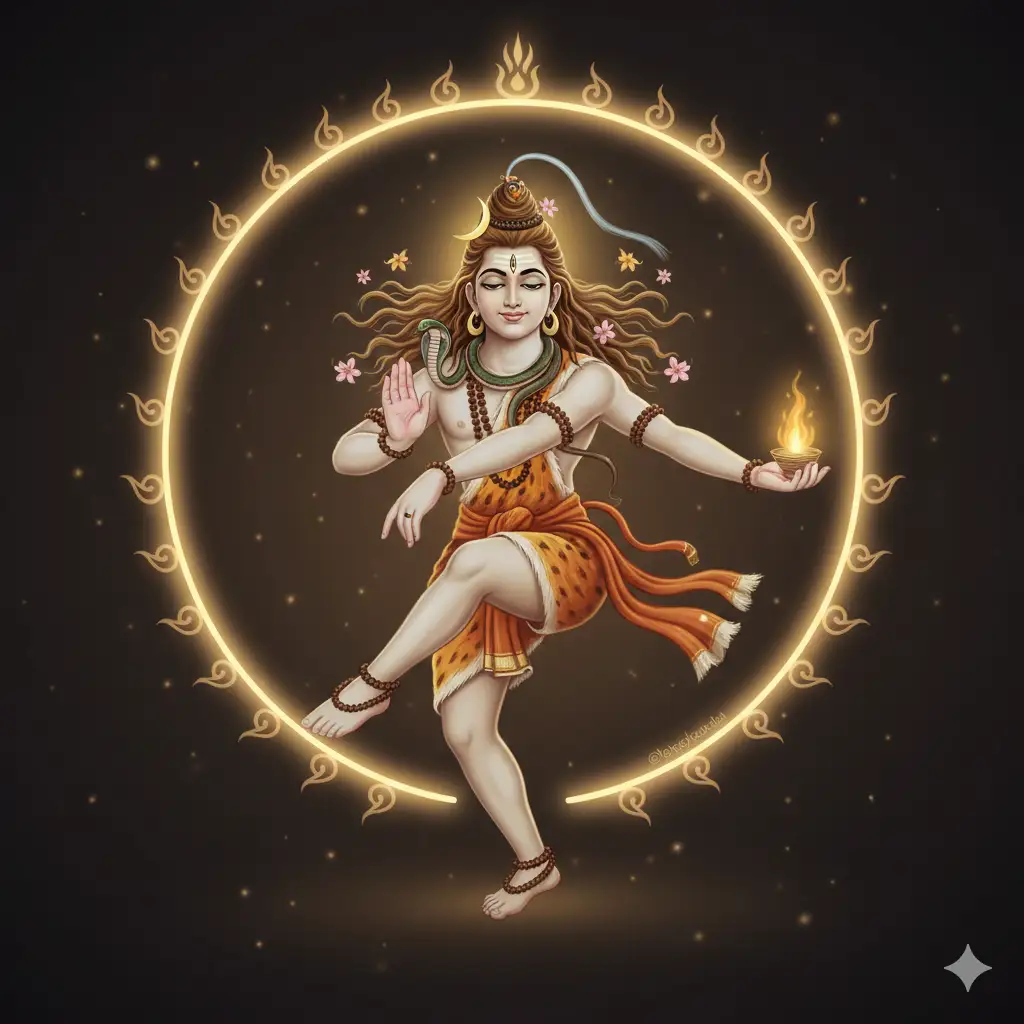
The ash on his body reminds us that everything eventually returns to dust. It teaches detachment.
His matted hair holds the mighty river Ganga, showing control over powerful emotions and energies.
The crescent moon on his head represents time and rhythm, showing that Shiv stands beyond time.
The snake around his neck symbolizes fearlessness and mastery over instincts.
His calm face shows deep inner peace, even amidst chaos.
Shiv’s appearance tells us that beauty lies in truth, not decoration.
Shiva Lingam Meaning and Symbolism
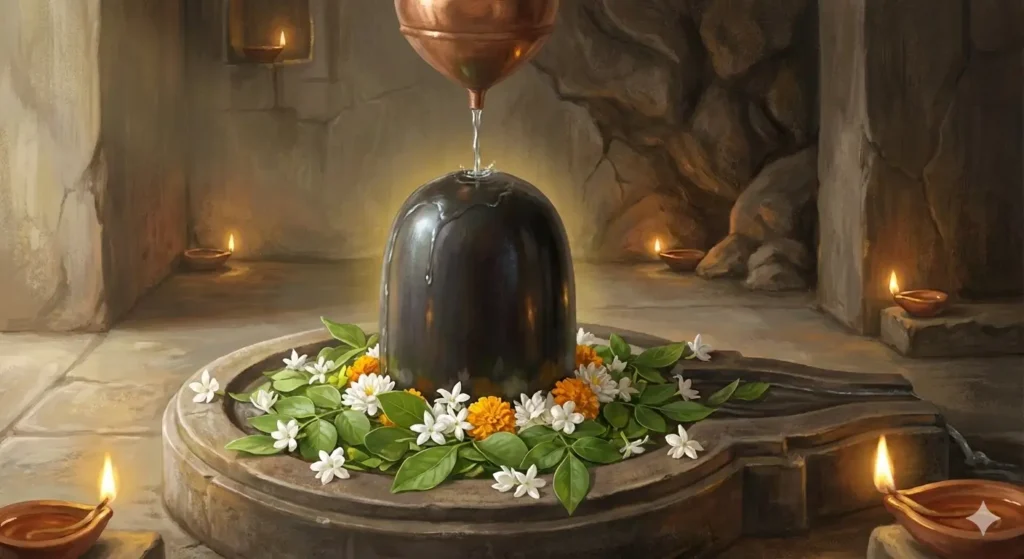
The Shiva Lingam is one of the most misunderstood symbols. In truth, it represents the formless nature of Bhagwan Shiv.
The Lingam stands for pure consciousness, without shape, gender, or boundary. It also symbolizes the union of Shiv and Shakti, awareness and energy.
The base of the Lingam represents creation, while the upward form points to the infinite. Worshipping the Lingam is a reminder that divinity cannot be fully seen, only experienced.
This is why the Lingam is worshipped with water, milk, and simplicity.
Why Bhagwan Shiv Is Called Mahadev and Bhole Baba
Bhagwan Shiv is called Mahadev because even the gods look up to him. Not because he seeks power or worship, but because he stands as the highest truth, free from ego, desire, and attachment.
At the same time, devotees lovingly call him Bhole Baba. Bhole means innocent, simple, and easily pleased. Shiv does not judge a devotee by wealth, status, or knowledge. A few Bilva leaves, a drop of water, or a prayer from the heart is enough to move him.
He does not seek worship, yet receives the deepest devotion. He does not desire authority, yet holds everything together. Shiv teaches through silence. He forgives quickly and accepts everyone, saints and sinners alike.
Mahadev means the one who stands above fear, time, and ego. Bhole Baba means the one who melts instantly with pure devotion. Together, these names reveal the true nature of Bhagwan Shiv, the greatest of all, yet the simplest and most compassionate.
Forms of Bhagwan Shiv and Their Inner Meaning
Bhagwan Shiv appears in many forms to guide different minds.
As Nataraja, he dances the cosmic rhythm of creation and dissolution.
As Ardhanarishvara, he shows balance between masculine and feminine energies.
As Bhairav, he removes fear and ignorance.
As Mahakal, he reminds us that time itself bows before truth.
Each form speaks to a different stage of spiritual growth.
How Devotees Worship Bhagwan Shiv
Shiv worship is simple and accessible.
Devotees offer water, milk, and Bilva leaves to the Lingam. Mondays are considered special for Shiv worship, as is Mahashivratri.
Unlike other deities, Shiv does not demand elaborate rituals. A pure heart and sincere intention are enough.
This simplicity is why people from all walks of life feel connected to him.
Benefits of Chanting “Om Namah Shivay”
“Om Namah Shivay” is more than a mantra. It is a surrender.
Chanting it calms the mind, reduces fear, and brings inner clarity. It slowly dissolves ego and brings awareness inward.
Many devotees feel protected, guided, and strengthened through this chant.
It is not about miracles, but about inner transformation.
Why Millions Feel Deeply Connected With Bhagwan Shiv
Bhagwan Shiv feels approachable. He listens without judgment.
People struggling with pain, loss, confusion, or loneliness often turn to Shiv because he understands silence. He accepts broken hearts and restless minds.
Shiv does not demand perfection. He accepts surrender.
This is why millions feel a personal bond with him.
Conclusion: Finding Bhagwan Shiv Within
Bhagwan Shiv is not limited to temples or stories. He is experienced in silence, awareness, and letting go.
When the mind becomes still, when ego loosens its grip, when fear fades, Shiv is felt.
On thesanatantales.com, you can explore more stories, mantras, and teachings connected to Bhagwan Shiv that guide the inner journey gently and deeply.
Shiv is not somewhere far away. He is the consciousness that is already within you.
FAQs
Who is Bhagwan Shiv in Hinduism?
Bhagwan Shiv is the supreme consciousness in Sanatan Dharma. He represents awareness, detachment, and the truth beyond birth and death.
Why is Bhagwan Shiv worshipped as Shiva Lingam?
The Shiva Lingam represents the formless nature of Bhagwan Shiv. It symbolizes infinite consciousness and the union of Shiv and Shakti.
Why is Bhagwan Shiv called Bhole Baba?
Bhagwan Shiv is called Bhole Baba because he is simple, innocent, and easily pleased. He accepts pure devotion without judging status or wealth.
What is the meaning of Om Namah Shivay?
Om Namah Shivay means surrendering to Bhagwan Shiv. Chanting it calms the mind, reduces fear, and brings inner balance.
Why do devotees worship Bhagwan Shiv on Monday?
Monday is associated with the moon, which Shiv wears on his head. Worshipping Shiv on Monday is believed to bring peace and emotional stability.