
Every person is connected to a long chain of ancestors whose sacrifices, values, and blessings have helped shape the present generation. In Sanatan Dharma, remembering and honoring them is not merely a family tradition but a sacred duty. This duty is fulfilled through Shraddha, a ritual rooted in gratitude, remembrance, and faith.
Many people hear about Shraddha in Hinduism during Pitru Paksha, the annual fortnight dedicated to ancestor remembrance. Yet Shraddha in Hinduism goes far beyond a yearly observance. It reflects the belief that our connection with ancestors continues even after they leave the physical world.
Understanding Shraddha in Hinduism helps us appreciate the deeper values of gratitude, family continuity, and spiritual responsibility. Whether performed during Pitru Paksha, on a death anniversary, or on special occasions, Shraddha remains an important part of Hindu tradition.
In this article, you will learn the meaning and origin of Shraddha, its scriptural basis, major rituals, the role of Tarpan and Pind Daan, who can perform Shraddha, common misconceptions, and the spiritual significance of Shraddha in Hinduism in modern life.
Shraddha in Hinduism at a Glance
| Aspect | Details |
|---|---|
| Sanskrit Meaning | Faith, devotion, sincere reverence |
| Purpose | Honoring and remembering ancestors |
| Associated With | Pitru Paksha, Tithi Shraddha, Pind Daan, Tarpan |
| Main Principle | Gratitude toward forefathers |
| Key Rituals | Sankalpa, Tarpan, Pind Daan, prayers, feeding |
| Scriptural Sources | Garuda Purana, Manusmriti, Mahabharata, Ramayana |
| Spiritual Significance | Fulfilling Pitru Rin and maintaining family continuity |
| Who Can Perform | Family members including sons, daughters, and close relatives depending on tradition |
Table of Contents
ToggleWhat Is Shraddha in Hinduism?
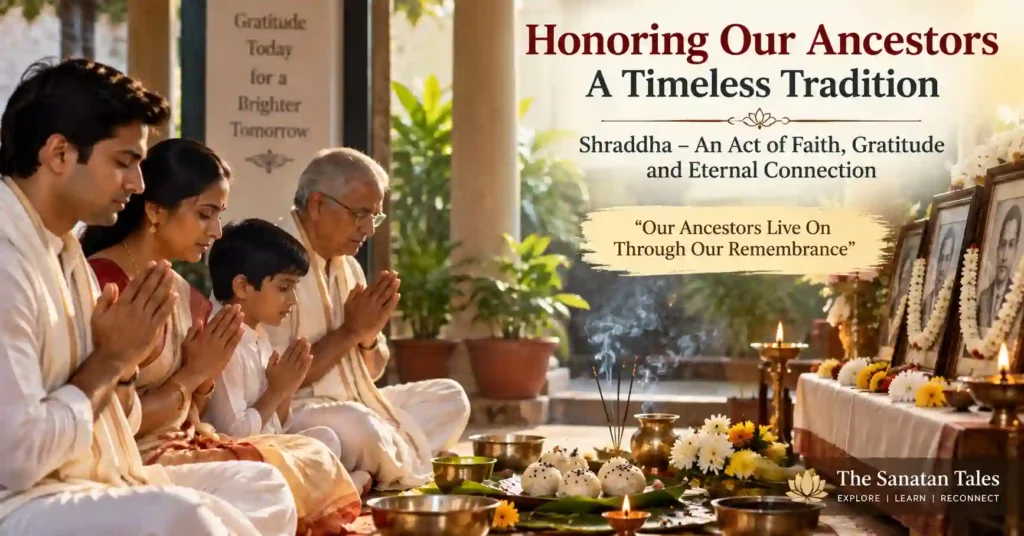
Shraddha in Hinduism is a sacred practice of honoring, remembering, and expressing gratitude toward departed ancestors. It is one of the most important ancestral traditions in Sanatan Dharma and reflects the belief that the bond between family members continues even after physical death. Through Shraddha, descendants acknowledge the contributions, sacrifices, and blessings of the generations that came before them.
At its core, Shraddha in Hinduism is not merely a ritual but an expression of faith, respect, and gratitude. The ceremony is performed through prayers, offerings, Tarpan, charitable acts, and remembrance of ancestors. Hindu tradition teaches that while material possessions may fade with time, the values, sanskaras, wisdom, and legacy passed down by our forefathers continue to influence future generations.
In Hindu scriptures, ancestors are often referred to as Pitrs or Pitru Devatas. They are regarded with reverence because they form an important link in the chain of life. By performing Shraddha, family members pray for the peace and well-being of their ancestors while also fulfilling their spiritual responsibilities.
Understanding Shraddha in Hinduism also helps us appreciate the concept of gratitude that lies at the heart of Sanatan Dharma. It reminds us that our lives are not isolated journeys. We are connected to our ancestors through family, culture, traditions, and shared heritage. Remembering them is a way of honoring our roots and preserving the values that have been passed down across generations.
More than an external ceremony, Shraddha in Hinduism serves as a spiritual bridge between the past, present, and future. It keeps ancestral memories alive, strengthens family continuity, and encourages a deeper sense of respect for those whose efforts made our lives possible.
Meaning and Origin of the Word Shraddha
The word Shraddha comes from the Sanskrit term श्रद्धा (Śraddhā), which is commonly translated as faith, devotion, reverence, or heartfelt sincerity. It is derived from two Sanskrit roots: “Shrat”, meaning truth, faith, or deep conviction, and “Dha”, meaning to place, hold, or establish. Together, the word conveys the idea of placing one’s heart and faith into a sacred act.
This deeper meaning helps us understand the true spirit of Shraddha in Hinduism. It is not merely a ritual performed out of obligation or custom. Instead, it is an act of remembrance carried out with sincerity, gratitude, and devotion toward one’s ancestors. Hindu traditions emphasize that the faith and intention behind the ritual are just as important as the ritual itself.
The essence of Shraddha in Hinduism lies in honoring those who came before us and acknowledging the role they played in shaping our lives. Whether through prayers, Tarpan, Pind Daan, or charitable acts, every aspect of the ceremony is meant to be performed with genuine reverence rather than as a mechanical observance.
In simple words, Shraddha means remembering ancestors with gratitude, respect, devotion, and a heartfelt sense of connection that continues across generations.
The Concept of Pitru Rin in Sanatan Dharma
Sanatan Dharma teaches that every person is born with certain sacred responsibilities known as Rin or debts. One of these is Pitru Rin, the debt owed to our ancestors. It recognizes that our lives are shaped by the sacrifices, guidance, traditions, and values passed down through generations. From our family lineage to our cultural heritage, much of what we receive in life comes from those who came before us.
The concept of Pitru Rin reminds us that no individual exists in isolation. Every generation builds upon the efforts and experiences of previous generations. This understanding forms an important foundation of Shraddha in Hinduism, which encourages descendants to remember and honor their forefathers with gratitude and respect.
Since the contributions of our ancestors can never truly be repaid, Shraddha in Hinduism is regarded as a meaningful way to acknowledge this ancestral debt. By performing Shraddha, family members express appreciation for the roots from which their family has grown and preserve the bond between past, present, and future generations.
Scriptural Basis of Shraddha
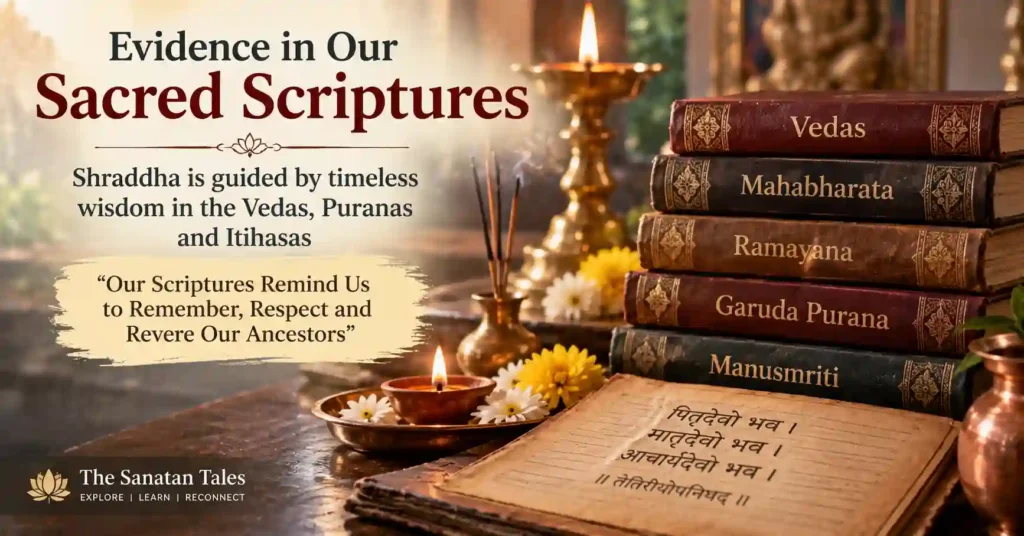
The practice of Shraddha in Hinduism is not a later social custom but a tradition rooted in several Hindu scriptures. These sacred texts explain the importance of honoring ancestors, expressing gratitude toward forefathers, and performing rituals that strengthen the connection between generations. The scriptural foundation of Shraddha in Hinduism shows that ancestor remembrance has been an integral part of Sanatan Dharma for centuries.
Garuda Purana: The Garuda Purana contains detailed discussions about life after death, the journey of the soul, and the role of ancestral rites. It explains why descendants perform Shraddha, Tarpan, and Pind Daan and emphasizes that remembering ancestors with faith and sincerity is an important duty.
Manusmriti: Manusmriti describes the responsibilities of a householder toward family, society, and ancestors. It highlights the importance of offering respect to departed forefathers and performing Shraddha as an act of gratitude and duty.
Mahabharata: The Mahabharata contains several references to ancestor remembrance and the value of honoring one’s lineage. The text teaches that remembering ancestors helps preserve family traditions and reinforces the principle that each generation is connected to those who came before it.
Ramayana: The Ramayana provides one of the most well-known examples of ancestral duty. After the passing of King Dasharatha, Lord Rama performed the prescribed rites for his father. This episode illustrates the importance of honoring parents and ancestors with devotion, respect, and sincerity.
Together, these scriptures show that Shraddha in Hinduism is much more than a ritual. They present ancestor remembrance as a sacred expression of gratitude, duty, family continuity, and spiritual responsibility.
Why Is Shraddha Performed?
Many people think Shraddha is performed only because it is an old religious tradition. However, the deeper purpose of Shraddha in Hinduism goes far beyond ritual observance. It is an expression of gratitude, remembrance, duty, and respect toward the ancestors whose lives, sacrifices, and values helped shape future generations. Understanding the purpose of Shraddha in Hinduism helps us appreciate why this tradition continues to hold significance even today.
Gratitude: Shraddha allows family members to express thankfulness toward their ancestors. Parents, grandparents, and forefathers contribute to a family’s growth, culture, traditions, and well-being. Through Shraddha, descendants acknowledge these contributions and offer prayers in their memory.
Remembrance: Human beings naturally remember and honor those who have influenced their lives. Shraddha keeps the memory of ancestors alive and helps younger generations remain connected to their family history, values, and heritage.
Spiritual Duty: According to Sanatan Dharma, every person carries certain responsibilities toward ancestors, known as Pitru Rin. Performing Shraddha in Hinduism is considered one way of fulfilling this sacred obligation and expressing respect for those who came before us.
Family Continuity: Shraddha strengthens the bond between generations. It reminds us that we are part of a larger family lineage and encourages the preservation of traditions, sanskaras, and values that have been passed down over time.
Beyond ritual practice, Shraddha in Hinduism teaches an important spiritual lesson: gratitude should not be limited to the living alone. By remembering our ancestors with faith and sincerity, we acknowledge our roots and develop a deeper appreciation for the people whose efforts made our lives possible.
When Is Shraddha Performed?
Shraddha in Hinduism is not limited to a single day or festival. Depending on family traditions, regional customs, and the purpose of the ritual, Shraddha can be performed on several occasions throughout the year. The most common times are associated with the death anniversary of an ancestor and the sacred period of Pitru Paksha.
Tithi Shraddha: This is the annual Shraddha performed on the lunar date (tithi) of an ancestor’s passing. Many Hindu families observe Tithi Shraddha every year as a way of remembering their departed parents, grandparents, and other ancestors. It is considered one of the most widely practiced forms of Shraddha in Hinduism and serves as a personal expression of remembrance and gratitude.
Pitru Paksha: Pitru Paksha is the most important period dedicated to ancestor remembrance in Hindu tradition. This 16-day fortnight is considered especially auspicious for performing Shraddha in Hinduism, along with Tarpan, prayers, charitable acts, and other ancestral rites. During this period, families honor their forefathers and pray for their peace and well-being.
Special Occasions: In some traditions, Shraddha may also be performed during pilgrimages to sacred places such as Gaya, Prayagraj, Haridwar, or Varanasi. Certain families observe Shraddha in Hinduism during important family ceremonies or religious observances as a mark of remembrance and respect for their ancestors.
The exact date, method, and customs may vary across regions and communities. Therefore, many families follow the guidance of their elders, family traditions, or a knowledgeable priest when deciding the appropriate time to perform Shraddha.
Main Rituals of Shraddha
While the exact procedure of Shraddha in Hinduism may vary from one region to another, most ceremonies follow a similar sequence. The rituals are designed to honor ancestors with faith, gratitude, and remembrance rather than merely performing external formalities. Understanding these basic steps helps beginners appreciate how Shraddha in Hinduism is traditionally observed.
Sankalpa: The ritual usually begins with a Sankalpa, a solemn vow or declaration of intention. The person performing Shraddha remembers the ancestors for whom the ritual is being conducted and offers prayers with sincerity and devotion. This step establishes the spiritual purpose of the ceremony.
Offerings: Traditional offerings may include water, black sesame seeds (til), rice, cooked food, flowers, and other sacred items. These offerings symbolize gratitude, respect, and remembrance toward departed ancestors.
Prayers and Mantras: Sacred prayers and mantras are recited for the peace and well-being of ancestors. Depending on family traditions, these may include Vedic mantras, Pitru prayers, or simple heartfelt prayers offered with devotion.
Tarpan and Pind Daan: In many forms of Shraddha in Hinduism, Tarpan and Pind Daan play an important role. These rituals symbolize respect, nourishment, remembrance, and prayers for departed souls, particularly during Pitru Paksha.
Feeding and Charity: Many traditions conclude the ceremony by feeding Brahmins, guests, animals, or those in need. Acts of charity performed in memory of ancestors are considered an important expression of compassion and gratitude.
Although the procedures may differ across traditions, the essence of Shraddha in Hinduism remains the same: honoring ancestors with faith, gratitude, sincerity, and heartfelt remembrance.
What Is Tarpan?
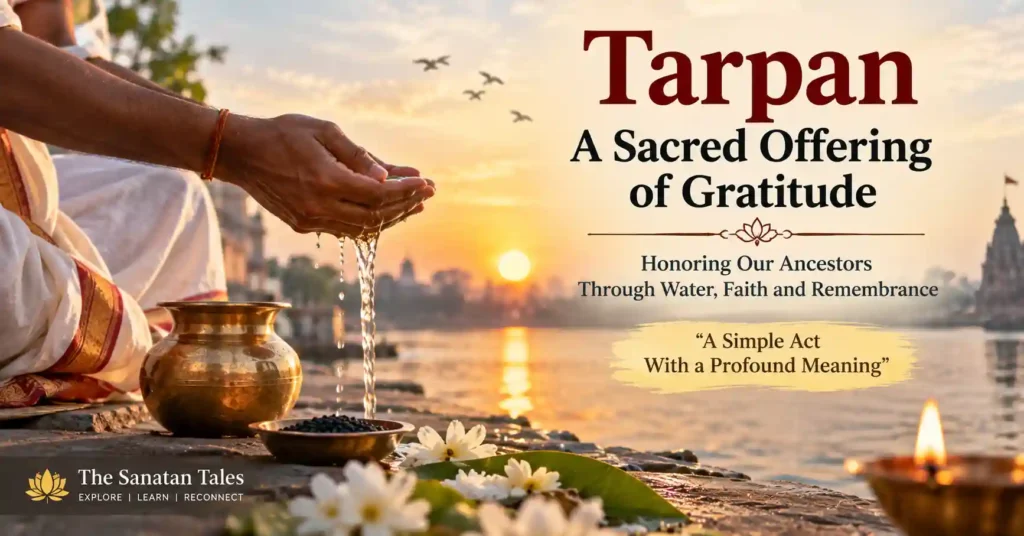
Tarpan is the ritual offering of water to ancestors, usually accompanied by prayers and remembrance. The word Tarpan means “to satisfy,” “to nourish,” or “to offer contentment.” In Hindu tradition, it is considered a simple yet meaningful way of expressing gratitude and respect toward departed family members and forms an important part of Shraddha in Hinduism.
During Tarpan, water is typically offered with black sesame seeds (til) while remembering the names of ancestors and praying for their peace. The ritual is commonly performed during Pitru Paksha, on Tithi Shraddha, and on other occasions dedicated to ancestor remembrance. It symbolizes the continuing bond between descendants and their forefathers.
Although the procedure may vary across regions and traditions, the essence of Tarpan remains the same: honoring ancestors with faith, gratitude, and heartfelt remembrance. As one of the key rituals associated with Shraddha in Hinduism, Tarpan reflects the values of respect, devotion, and ancestral gratitude.
What Is Pind Daan?
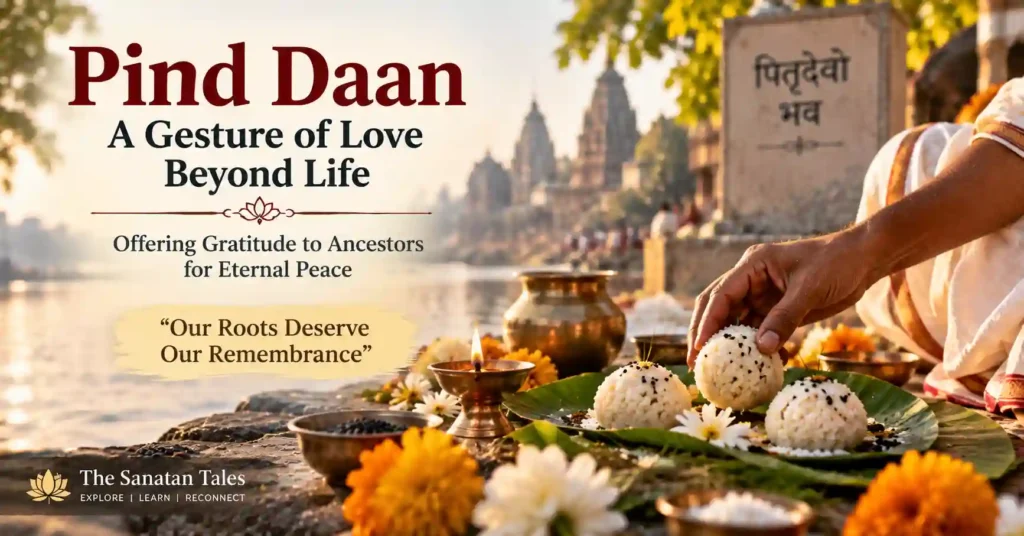
Pind Daan is a sacred ritual in which offerings known as pindas, usually made from rice, barley flour, or other traditional ingredients, are offered to ancestors. In Hindu tradition, these offerings symbolize remembrance, gratitude, and prayers for the peace and well-being of departed souls. It is regarded as an important ritual associated with Shraddha in Hinduism.
Pind Daan is commonly performed during Shraddha, especially in Pitru Paksha, and is considered one of the most significant ancestral rites. The ritual is closely associated with sacred places such as Gaya, Prayagraj, Haridwar, and Varanasi, where many families travel to perform it according to tradition and family customs.
While the procedure may differ across regions, the purpose remains the same: to honor ancestors, express gratitude for their contributions, and maintain the spiritual connection between generations. As an important aspect of Shraddha in Hinduism, Pind Daan reflects the values of remembrance, respect, and ancestral reverence.
Who Can Perform Shraddha?
Traditionally, the responsibility of performing Shraddha in Hinduism was often assigned to the eldest son of the family. This practice developed because the son was considered the primary representative of the family lineage in many ancient traditions. However, customs related to Shraddha in Hinduism vary widely across regions, communities, and family traditions.
Today, Shraddha may be performed by sons, daughters, spouses, grandchildren, or other close relatives, especially when they are the ones taking responsibility for honoring the departed ancestor. In many families, the emphasis is placed on devotion, remembrance, and sincerity rather than strictly on who performs the ritual.
The exact practice may differ according to local customs and family traditions. Therefore, many people choose to follow the guidance of their elders or family priest. Regardless of the specific tradition, the central purpose of Shraddha in Hinduism remains the same: honoring ancestors with faith, gratitude, and respect.
Can Women Perform Shraddha?
Yes, many contemporary traditions associated with Shraddha in Hinduism recognize that women can perform Shraddha, especially when there is no male heir available or when they are the primary family members taking responsibility for ancestral rites. Across different parts of India, daughters, widows, and other female relatives have performed Shraddha, Tarpan, and related rituals according to their family traditions.
Views on this subject may vary among regions, communities, and priestly traditions. Some families follow long-established customs, while others adopt a more inclusive approach based on the belief that sincere devotion and remembrance are more important than gender. As with many practices in Shraddha in Hinduism, local traditions and family customs often play an important role.
Since practices differ, many families choose to follow the guidance of their elders or family priest. Regardless of the tradition followed, the central purpose of Shraddha in Hinduism remains the same: honoring ancestors with faith, gratitude, and respect.
Common Misconceptions About Shraddha
Like many ancient traditions, Shraddha in Hinduism is often misunderstood. Some people view it as a ritual meant only for a particular age group or a practice limited to a specific period of the year. Understanding the facts behind these misconceptions helps reveal the deeper purpose of Shraddha in Hinduism.
Shraddha Is Only for Elderly People: Shraddha is a family responsibility and a tradition of remembrance that can be understood and appreciated by people of all ages. Younger generations often participate alongside elders to learn about their family heritage and ancestral traditions.
Shraddha Is Only Performed During Pitru Paksha: While Pitru Paksha is the most well-known period for ancestor remembrance, many families also perform Tithi Shraddha every year on the death anniversary of their ancestors.
Only Men Can Participate: Although some traditions historically assigned the ritual to male family members, many Hindu communities today allow daughters, wives, and other relatives to participate in or perform Shraddha in Hinduism according to their customs.
Shraddha Is Mere Superstition: For millions of Hindus, Shraddha in Hinduism is not about fear or superstition. It is a meaningful expression of gratitude, remembrance, family continuity, and respect for those whose lives and sacrifices helped shape future generations.
Shraddha in Modern Life
Modern lifestyles, urban living, and busy schedules have changed the way many families observe traditions. However, the values behind Shraddha in Hinduism remain as relevant today as they were centuries ago. In a fast-paced world, Shraddha in Hinduism provides an opportunity to pause, remember our ancestors, and reflect on the legacy they left behind.
Many people today seek ways to stay connected to their family roots, cultural heritage, and spiritual traditions. Shraddha serves as a reminder that our lives are shaped by the efforts, sacrifices, and values of previous generations. Even when rituals are performed in a simpler form, the spirit of gratitude and remembrance remains unchanged.
In this sense, Shraddha in Hinduism is more than an ancient custom. It is a timeless practice that helps preserve family bonds, honor ancestral contributions, and pass important values from one generation to the next.
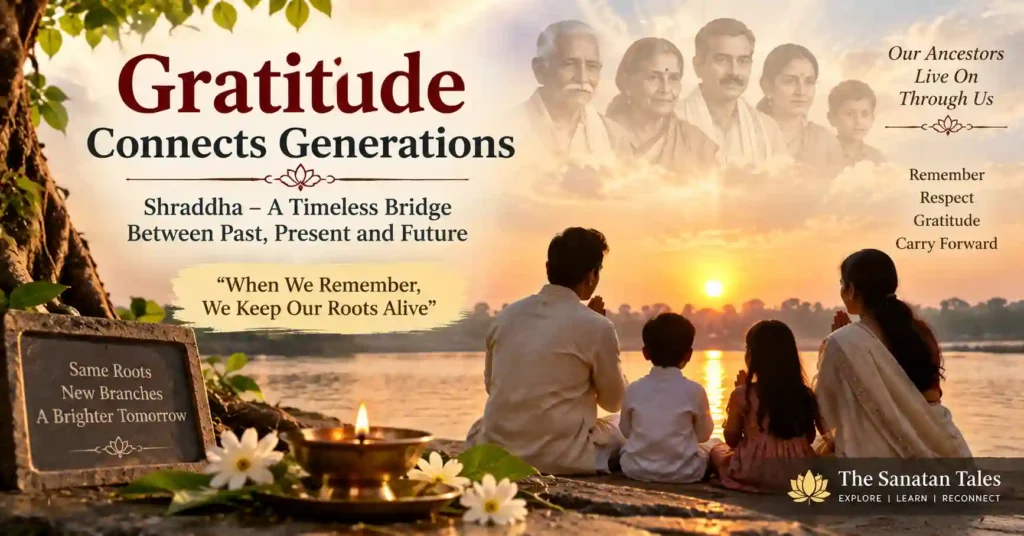
Philosophical Insight: Gratitude Beyond Ritual
The deepest message of Shraddha in Hinduism extends far beyond ritual offerings and ceremonies. It teaches that human life is interconnected across generations. We inherit not only our physical existence but also values, wisdom, traditions, culture, and opportunities from those who came before us. Shraddha in Hinduism reminds us to recognize and appreciate this invisible inheritance.
When we remember our ancestors, we acknowledge that our lives are part of a much larger journey that began long before us and will continue after us. In this way, Shraddha becomes more than an act of remembrance. It becomes a practice of humility, gratitude, and self-awareness.
From a spiritual perspective, Shraddha in Hinduism transforms gratitude into a sacred act. It teaches that honoring the past helps us live more consciously in the present and encourages us to leave behind a positive legacy for future generations, just as our ancestors did for us.
Conclusion
Understanding Shraddha in Hinduism reveals that it is much more than an annual ritual performed during Pitru Paksha. It is a sacred tradition of honoring ancestors through gratitude, remembrance, prayers, and acts of devotion. Rooted in the principles of Pitru Rin, Shraddha in Hinduism reminds us to acknowledge the contributions and sacrifices of those who came before us.
Whether performed on a death anniversary, during Pitru Paksha, or as part of other ancestral observances, Shraddha in Hinduism helps maintain a meaningful connection between generations. Through rituals such as Tarpan, Pind Daan, prayers, and charitable acts, families express respect for their forefathers while preserving important cultural and spiritual traditions.
At its heart, Shraddha in Hinduism teaches a timeless lesson: honoring our roots is an essential part of honoring ourselves. By remembering our ancestors with faith, gratitude, and sincerity, we keep their legacy alive and carry forward the values of duty, respect, and family continuity that form the foundation of Sanatan Dharma.
Key Takeaways
- Shraddha in Hinduism is the sacred tradition of honoring, remembering, and expressing gratitude toward departed ancestors.
- Shraddha in Hinduism is rooted in faith, devotion, respect, and the belief that family bonds continue beyond physical life.
- The practice is closely connected to Pitru Rin, the ancestral debt that descendants acknowledge through remembrance and prayers.
- Pitru Paksha is the most widely observed period for performing Shraddha in Hinduism, though many families also observe Tithi Shraddha throughout the year.
- Important rituals associated with Shraddha in Hinduism include Tarpan, Pind Daan, prayers, offerings, and acts of charity performed in memory of ancestors.
- Shraddha in Hinduism helps preserve family traditions, strengthen intergenerational bonds, and keep ancestral memories alive.
- Beyond rituals, the deeper spiritual message of Shraddha in Hinduism is gratitude, remembrance, humility, and respect for the generations that shaped our lives.
FAQs
What Is Shraddha in Hinduism?
Shraddha in Hinduism is a sacred tradition of honoring and remembering departed ancestors through prayers, offerings, Tarpan, Pind Daan, and charitable acts. It is performed with faith, gratitude, and respect toward parents, grandparents, and forefathers.
The practice reflects the belief that family bonds continue beyond physical death. Shraddha helps descendants express thankfulness for the values, culture, and opportunities passed down through generations while maintaining a spiritual connection with their ancestors.
When Is Shraddha Performed?
Shraddha can be performed on different occasions depending on family traditions and customs. The most common form is Tithi Shraddha, which is observed annually on the lunar date associated with an ancestor’s passing.
Many families also perform Shraddha during Pitru Paksha, the sacred fortnight dedicated to ancestor remembrance. In some traditions, ancestral rites may also be performed during pilgrimages, special religious observances, or important family occasions.
Is Shraddha Compulsory in Hinduism?
Shraddha is regarded as an important ancestral duty in Sanatan Dharma, but its observance varies among families and communities. Hindu scriptures encourage descendants to remember and honor their ancestors as an expression of gratitude and respect.
While the method and frequency may differ, the underlying principle is remembrance rather than compulsion. Many Hindus view Shraddha as a meaningful spiritual practice that helps preserve family continuity and cultural heritage.
Can Women Perform Shraddha?
Yes, many contemporary Hindu traditions recognize that women can perform Shraddha, particularly when they are the primary family members responsible for ancestral rites. Across India, daughters, widows, and other female relatives have participated in or performed Shraddha according to their family customs.
Views may differ among regions and traditions. However, many scholars and communities emphasize that sincerity, devotion, and respect for ancestors are more important than gender when performing ancestral rituals.
What Is the Difference Between Shraddha and Tarpan?
Shraddha is the broader ancestral ritual that may include prayers, offerings, Pind Daan, charity, and remembrance of ancestors. It is a complete ceremony performed to honor departed family members.
Tarpan, on the other hand, is a specific ritual within Shraddha that involves offering water, usually mixed with black sesame seeds, while remembering ancestors through prayers. In simple terms, Tarpan is often a part of Shraddha, but Shraddha includes much more than Tarpan alone.
What Is Pind Daan?
Pind Daan is the ritual offering of pindas, usually made from rice and other traditional ingredients, to departed ancestors. It symbolizes remembrance, gratitude, and prayers for the peace and well-being of the departed soul.
The practice is especially associated with sacred places such as Gaya, Prayagraj, Haridwar, and Varanasi. However, it may also be performed elsewhere according to family traditions and local customs as part of Shraddha ceremonies.
Can Shraddha Be Done at Home?
Yes, many families perform Shraddha at home according to their traditions. A simple Shraddha may include prayers, Tarpan, offerings of food and water, remembrance of ancestors, and acts of charity dedicated to their memory.
Some families prefer guidance from a priest, while others follow procedures passed down through generations. The most important aspect is performing the ritual with faith, sincerity, and respect toward the ancestors being remembered.
What Happens During Pitru Paksha?
Pitru Paksha is a sacred sixteen-day period dedicated to remembering and honoring ancestors. During this time, many Hindu families perform Shraddha, Tarpan, Pind Daan, and charitable acts in memory of departed family members.
The fortnight is considered especially auspicious for expressing gratitude toward forefathers and seeking blessings for family well-being. It remains one of the most important periods for ancestor worship in Hindu tradition.
Why Is Shraddha Important in Hinduism?
hraddha is important because it reflects the values of gratitude, remembrance, and family responsibility. It reminds individuals that their lives are shaped by the sacrifices, guidance, and efforts of previous generations.
Through Shraddha, descendants acknowledge their connection to their ancestors and preserve important family traditions. The practice also reinforces the spiritual principle that honoring one’s roots is an important part of personal and cultural continuity.
What Is the Spiritual Significance of Shraddha?
The spiritual significance of Shraddha lies in transforming gratitude into a sacred practice. Rather than focusing only on ritual actions, Shraddha encourages people to remember their ancestors with sincerity, humility, and respect.
It teaches that human life is interconnected across generations. By honoring those who came before us, we develop a deeper appreciation of our heritage and become more conscious of the legacy we leave for future generations.
Suggested Reading
If you would like to explore topics related to Shraddha in Hinduism, ancestor remembrance, family traditions, spiritual duty, and life after death in Sanatan Dharma, these articles may help deepen your understanding. Learning more about these subjects can provide valuable context for the beliefs and practices associated with Shraddha in Hinduism.
- What Is Pitru Paksha and Why Is It Observed? Meaning, Significance, Rituals, and Spiritual Importance
https://thesanatantales.com/pitru-paksha/ - Kul Devta: Meaning, Significance and Importance in Family Traditions
https://thesanatantales.com/kul-devta/ - Vaitarni Nadi: What Happens After Death and How the Soul Crosses It
https://thesanatantales.com/vaitarni-nadi/ - Panchopchar Puja: Meaning, Vidhi, Significance and Five Sacred Offerings
https://thesanatantales.com/panchopchar-puja/ - What Are the 16 Sanskar in Sanatan Dharma?
https://thesanatantales.com/16-sanskar-in-sanatan-dharma/ - Śrāddha (Wikipedia)
https://en.wikipedia.org/wiki/Sraddha
Glossary of Important Terms
| Term | Meaning |
|---|---|
| Shraddha | A sacred Hindu ritual of honoring and remembering ancestors through prayers, offerings, and acts of gratitude. |
| Pitru | Ancestors or forefathers who are remembered and honored through Shraddha and related rituals. |
| Pitru Rin | The ancestral debt owed to one’s forefathers, acknowledged through gratitude, remembrance, and family duties. |
| Pitru Paksha | A sacred 16-day period dedicated to ancestor remembrance, Shraddha, Tarpan, and other ancestral rites. |
| Tarpan | The ritual offering of water, often mixed with black sesame seeds, to ancestors as a mark of respect and remembrance. |
| Pind Daan | The offering of pindas (rice balls) to ancestors as part of traditional Shraddha ceremonies. |
| Tithi | A lunar day in the Hindu calendar used to determine religious observances, including annual Shraddha dates. |
| Sankalpa | A solemn vow or declaration of intention made before beginning a religious ritual or ceremony. |
About the Author
Yateendra Chaturvedi is a spiritual writer, researcher, devotee, and the founder of The Sanatan Tales. With over 35 years of professional experience and a lifelong interest in Sanatan Dharma, he writes about Hindu deities, temples, scriptures, festivals, Mahavidyas, sacred stories, rituals, and living traditions that continue to guide and inspire devotees across India.
Drawing from traditional scriptures, regional beliefs, temple traditions, devotional literature, and historical sources, he aims to present authentic, well-researched, and easy-to-understand content for modern readers. His work focuses on preserving spiritual wisdom, explaining sacred traditions, and helping seekers develop a deeper understanding of India’s rich spiritual heritage.
Through The Sanatan Tales, Yateendra strives to make the timeless teachings of Sanatan Dharma simple, meaningful, and relevant for today’s generation while maintaining respect for traditional sources, regional practices, and diverse spiritual perspectives.
Learn More About Yateendra Chaturvedi →
https://thesanatantales.com/about-the-author/
References & Sources
This article on What Is Shraddha in Hinduism is based on teachings, traditions, and practices associated with Sanatan Dharma. The content draws upon references to ancestor remembrance, Pitru Rin, Shraddha, Tarpan, and Pind Daan found in Hindu scriptures such as the Garuda Purana, Manusmriti, Mahabharata, Ramayana, and other traditional sources. It also reflects insights preserved through family customs, spiritual communities, temple traditions, and the guru-disciple lineage that has carried Sanatan wisdom across generations.
The article has been written with the aim of presenting the meaning, purpose, and spiritual significance of Shraddha in a simple, practical, and beginner-friendly manner. Every effort has been made to explain commonly followed beliefs and practices without favoring any particular sect, region, or tradition.
Note: Beliefs, interpretations, rituals, and customs related to Shraddha may vary across different sampradayas, regions, family traditions, and spiritual lineages within Sanatan Dharma. The purpose of this article is not to establish any single practice as universally binding, but to provide a balanced overview of widely accepted perspectives. Sanatan Dharma embraces diversity in spiritual expression, and readers are encouraged to follow the guidance of their family traditions, elders, or spiritual teachers where appropriate.