
Tilak in Hinduism is one of those ancient practices that has quietly stayed alive through every generation. Even today, when someone places that little mark on the forehead, it does more than beautify the face. It reminds the person of their own spiritual nature.
The moment the tilak touches the space between the eyebrows, the mind calm down a bit. The point which is between the eye brows is linked with the Ajna chakra. So applying the tilak brings clarity and a calm feeling inside. The whole ritual may look simple, yet it helps a person feel grounded and aware of something divine within.
Across different parts of India you see many styles of tilak, but the purpose remains almost the same everywhere. Tilak in Hinduism keeps a person connected with their Ishta Devta and their personal values.
Whether one uses chandan, kumkum, bhasma or gopi chandan, each touch on the forehead has a way of pulling the mind inward. This inward shift is one of the sacred reasons the tradition continues even today.
Table of Contents
ToggleSpiritual Meaning Behind Tilak in Hinduism
The spiritual meaning of tilak is gentle but deep. When someone wears it, they silently express devotion and surrender to their chosen deity. It becomes a sign of purity and a promise to live with awareness. Scriptures describe the tilak as something that protects the devotee and keeps the mind clean.
One of the sacred reasons tied to the spiritual meaning is that the tilak helps the mind stay focused on higher thoughts, even when life feels busy. This small act almost becomes a moment of grounding.
Another reason the tilak remains important is the belief that it keeps negative influences away. Sacred substances like bhasma and gopi chandan are known for their purity, so applying them helps create a protective feeling around the person.
Traditions and Styles of Tilak in Hinduism
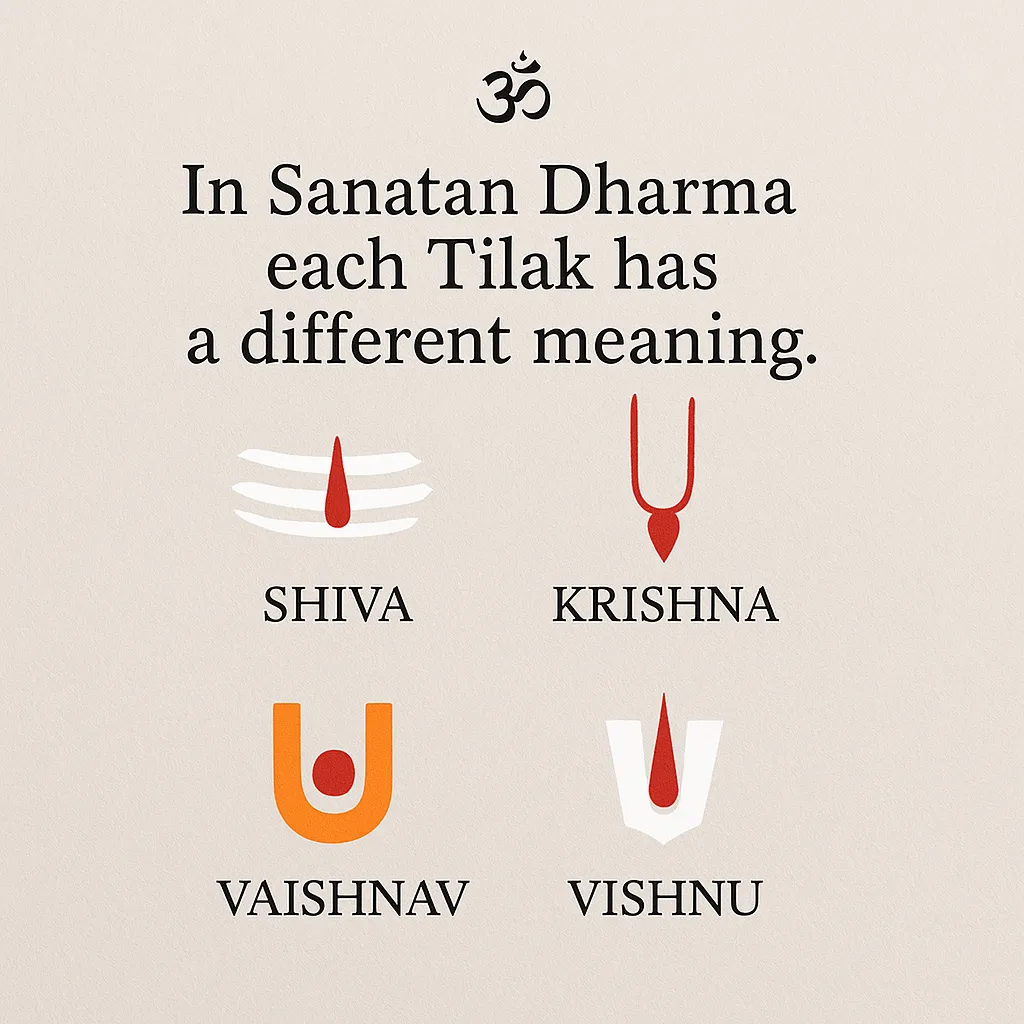
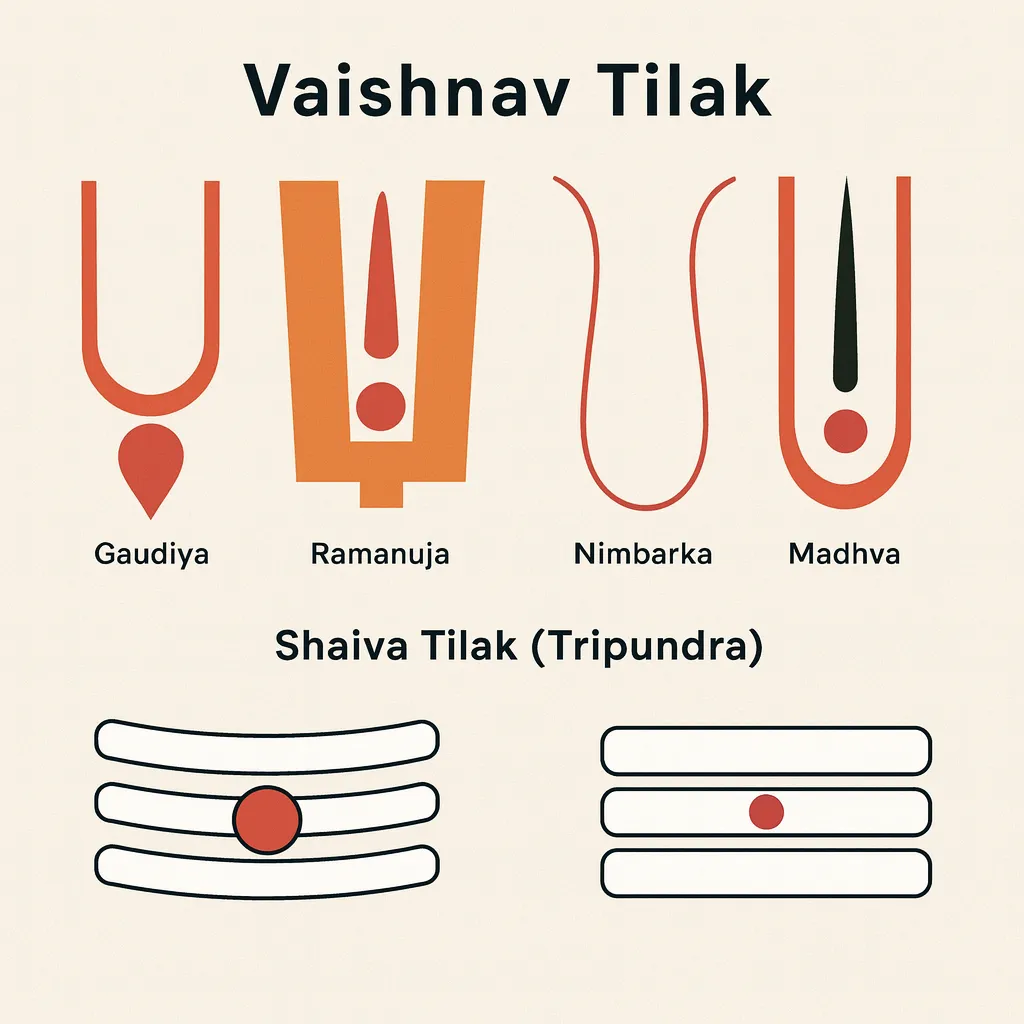
The style of tilak someone wears often reflects the path they follow. Shaivites put on the tripundra made of bhasma, the three horizontal lines that show detachment, inner strength and the fire that burns away the ego. This style carries the mood of Shiva, quiet and strong.
Vaishnav devotees wear the urdhva pundra made of gopi chandan. The vertical lines represent the lotus feet of Vishnu and remind the devotee to stay humble and devoted. It brings a feeling of upliftment and purity.
The kumkum tilak, linked with Shakti, holds auspiciousness and prosperity. Many women feel protected and blessed when they wear it. Chandan tilak creates a cool and peaceful sensation, so it is popular among Krishna and Vishnu devotees.
Sacred ash carries the idea of purity and surrender. Sindoor worn by married women represents Shakti and divine feminine grace.These different styles show that one sacred reason behind tilak in Hinduism is the expression of spiritual identity and connection with one’s lineage.
Scriptural Meaning and Ancient Wisdom
Tilak in Hinduism is mentioned respectfully in old texts like the Padma Purana, Skanda Purana and Narada Purana. They describe how the tilak purifies the mind, brings blessings and protects the devotee from negativity.
These scriptures also speak of how wearing tilak places a person under divine grace. A deeper sacred reason is tilak reminds a person of their own dharma, It tells them to live life with sincerity.
The Science Behind Tilak in Hinduism
There is a scientific side to tilak is the point where it is applied lies close to the pineal gland. Touching this area often brings clarity and steadiness. Sandalwood cools the nerves, kumkum improves circulation, and bhasma absorbs excess heat. Gopi chandan is known for its natural purity.
When these sacred materials are applied, the body responds in calm and helpful ways. The slight pressure while applying the tilak stimulates nerves linked with focus and memory.
When and Who Can Apply Tilak
Most people apply tilak in the morning after taking bath or before meditation, puja or any auspicious activity. During festivals or temple visits, it becomes almost natural to wear it.
The beauty of tilak in Hinduism is that anyone can apply it. It does not depend on gender, age or background. It belongs to every devotee.
Benefits of Tilak in Hinduism
People who wear tilak daily say that it helps them stay centred and peaceful. It sharpens focus and gives the mind a more sattvic direction.
Many feel protected, when they step out of the house with the tilak on their forehead. It strengthens their bond with their chosen deity. Over time, this ritual becomes one of the quiet anchors of spiritual life.
Mantra Connected With the Practice
A simple mantra used while applying tilak is “Tilakam dharayami”, Some devotees chant the slightly longer line, “Om kleem krishnaya namah. Tilakam dharayami”.
Conclusion
When you look closely at this gentle tradition, the meaning of Tilak in Hinduism: 7 Sacred Reasons Behind This Positive Ritual, becomes very clear. A small mark on the forehead turns into a quiet reminder of devotion, purity and inner balance.
It touches the mind, the heart and the subtle energy of a person all at once. Even today, people continue to wear the tilak because it keeps them connected to their faith in a very natural way.
FAQs
What is the real purpose of applying a tilak in Hinduism?
People wear tilak to stay connected with their spiritual path. It reminds them of their Ishta Devta, keeps the mind centred, and touches the Ajna chakra, which helps calm thoughts.
Why do different Hindu traditions have different tilak designs?
Different designs come from different sampradayas. Shaivites use tripundra to show devotion to Shiva, while Vaishnavas use vertical gopi-chandan lines to honour Vishnu. Each style carries its own symbolism..
. What materials are commonly used to make a tilak?
Most devotees use sandalwood paste, kumkum, sacred ash (bhasma), gopi chandan or sindoor. Each one feels different on the skin and carries a unique spiritual meaning.
Can anyone apply a tilak, or is it only for specific groups?
Anyone can wear a tilak men, women, elders and even children. It is not limited to caste or background. It belongs to anyone who wants to walk with devotion.
What is the best time to apply a tilak?
Most people apply tilak after a bath or before prayer, meditation or any auspicious work. Students often apply chandan for calm focus, and devotees wear it daily as part of their routine.