
Ambubachi Mela 2026 is the annual observance of the Goddess’s fertility cycle at the sacred Kamakhya Temple on Nilachal Hill in Guwahati.
According to Shakta belief, Maa Kamakhya undergoes her yearly menstruation during this period.
Unlike many traditions that treat menstruation as impure, Kamakhya celebrates it as sacred.
For three days, the temple doors close. No public darshan. No daily rituals. The Goddess is believed to be resting.
Then the temple reopens.
Lakhs of devotees wait for that moment.
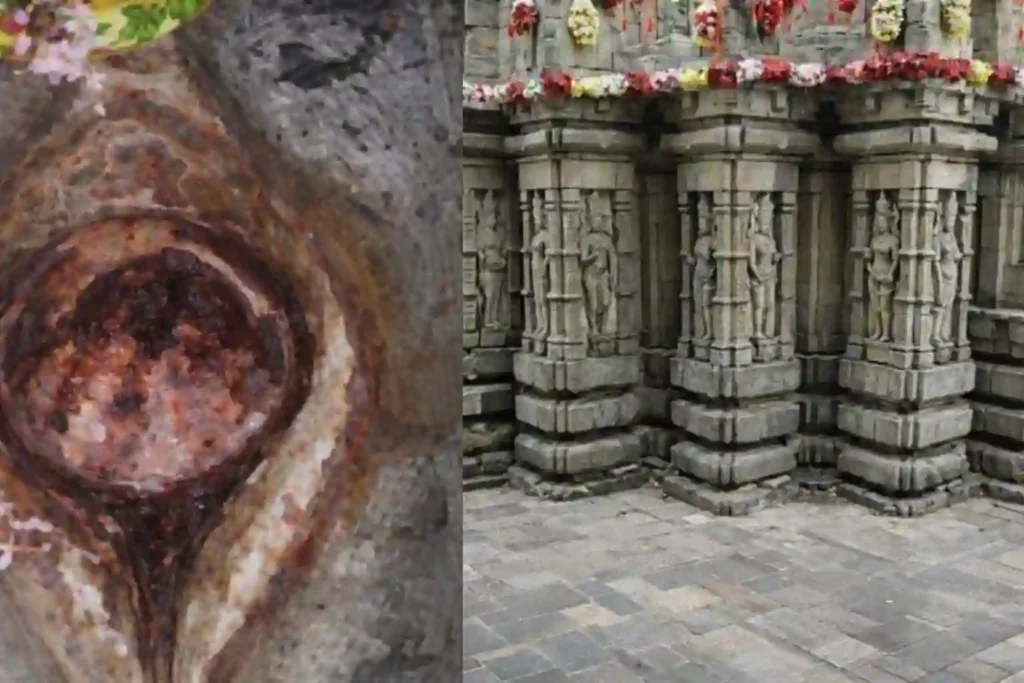
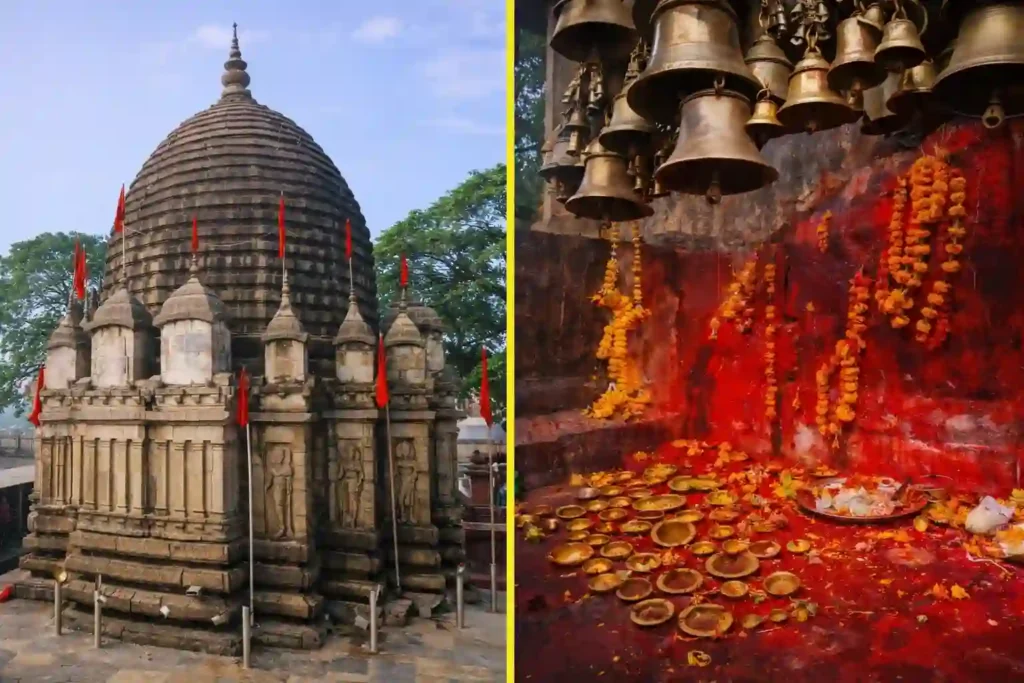
The temple represents the Yoni Peetha of Maa Sati. There is no idol inside the sanctum.
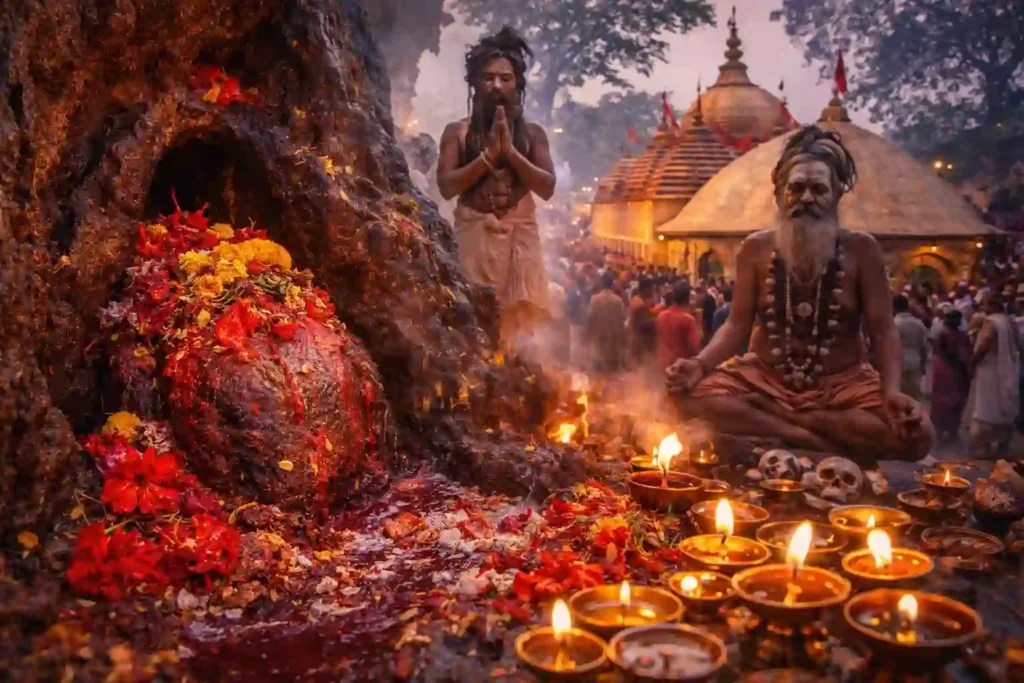
Devotees descend into a cave-like garbhagriha to worship a natural yoni-shaped rock fed by an underground spring.
During Ambubachi Mela 2026, that spring water is symbolically associated with the Goddess’s annual cycle.
This is not mythology for devotees. It is living theology.
Do you want to read in Hindi
Table of Contents
ToggleScriptural foundation of Kamakhya
The origin of Kamakhya is described in the Kalika Purana and Yogini Tantra.
When Sati immolated herself at Daksha’s yajna, Shiva wandered in grief carrying her body. Vishnu used the Sudarshan Chakra to dismember it, forming the Shakti Peethas.
At Nilachal Hill fell the Yoni of Sati. Because of this, Kamakhya is regarded as one of the most powerful Peethas in Bharat.
Ambubachi Mela 2026 emerges from this theological foundation. The annual closure of the temple represents the fertility and creative rhythm of the Divine Mother.
The associated Bhairava of this Peetha is Umananda Temple. Traditionally, a pilgrimage during Ambubachi Mela 2026 is considered complete only after visiting Umananda Bhairava.
Agricultural and seasonal significance
Ambubachi Mela 2026 also coincides with the onset of monsoon in Assam. Traditionally, this period is associated with the fertility of the Earth itself.
In rural understanding, just as the Goddess undergoes her sacred cycle, the soil too prepares for renewal and agricultural life.
Some farming communities historically paused ploughing during these days, symbolically allowing the Earth to rest.
This connection between Shakti, soil, and seasonal rhythm gives Ambubachi a deeply ecological dimension.
Ambubachi Mela 2026 dates and ritual timeline
Expected Dates: 22 June 2026 – 26 June 2026
(Devotees should reconfirm the official muhurat closer to the event.)
Temple Closure
The temple closes on the first day at the precise muhurat marking the beginning of the Goddess’s annual cycle.
For approximately three days:
- No public darshan
- No regular rituals
- Sanctum remains sealed
Traditionally, cooking and certain ritual activities within temple premises are paused during this sacred rest period.
Temple Reopening
On the fourth day:
- Ritual cleansing of the sanctum
- Fresh vastra offering
- Tantric and Vedic mantras chanted
- Darshan resumes in controlled flow
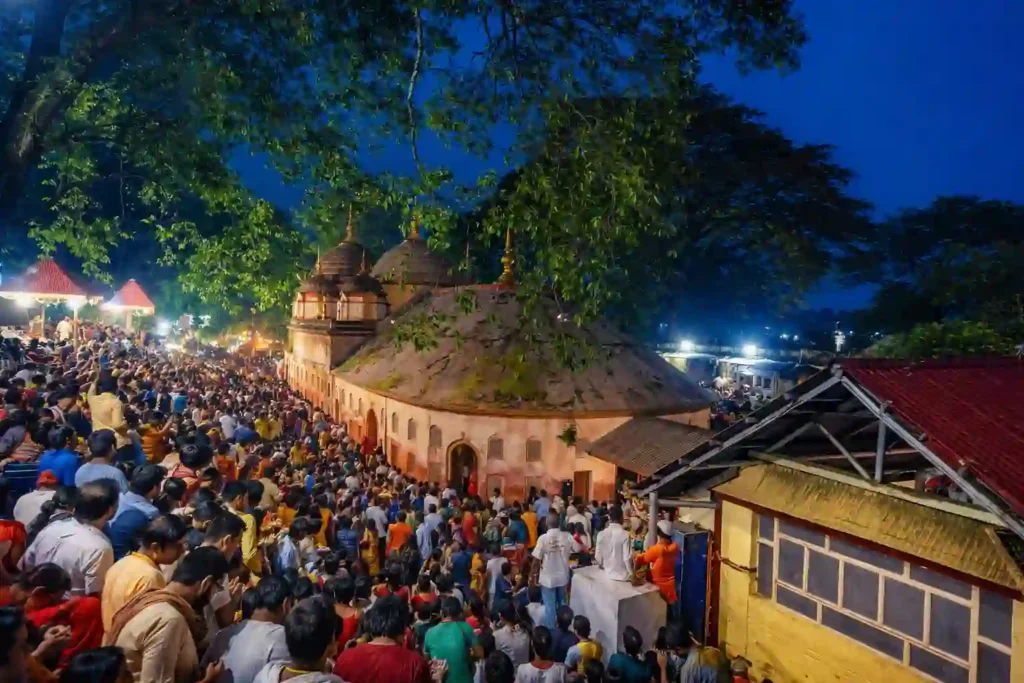
Reopening day during Ambubachi Mela 2026 attracts the largest crowd. In previous years, overall footfall across the mela has crossed several lakh devotees.
Many wait overnight for first darshan. Elderly pilgrims may consider visiting slightly later in the day for safer access.
Why the temple closes for three days
This is one of the most searched questions about Ambubachi Mela 2026.
The closure symbolizes:
- The annual menstruation of Maa Kamakhya
- The sacred fertility of Mother Earth
- The cosmic rhythm of rest and renewal
In Shakta theology, menstruation represents creative power, not impurity.
The three-day silence of the temple is a reminder that even creation rests before renewal.
The significance of the red cloth
After reopening, small pieces of red cloth are distributed to devotees. This cloth is believed to have been sanctified within the sanctum during the closure.
Often called Rakta Bastra, it is preserved:
- In home altars
- In business establishments
- For fertility blessings
- For protection and prosperity
For Shakta practitioners, this cloth represents concentrated Shakti.
It is one of the most spiritually cherished aspects of Ambubachi Mela 2026.
Tantric dimensions of Ambubachi
Ambubachi Mela is one of the largest Tantric gatherings in the world.
During these days:
- Aghoris assemble
- Naga sadhus gather
- Shakta sadhakas arrive from across India
Kamakhya is considered a powerful center of Shakta Tantra. Certain mantra siddhis are traditionally believed to fructify more intensely during this period.
It is also important to understand that authentic Tantra at Kamakhya operates strictly within guru-parampara traditions.
Public participation in restricted rituals is not permitted. Serious sadhana requires proper initiation and guidance.
The worship here is unique because there is no idol. The sacred presence is the natural yoni formation itself, reinforcing the deeply symbolic and esoteric nature of the Peetha.
For general pilgrims, humility and devotion remain the correct path.
Animal sacrifice clarification
Animal sacrifice is part of traditional Shakta worship at Kamakhya. However, participation in such rituals is not compulsory for pilgrims.
Many devotees simply offer flowers, coconut, sindoor, and silent prayers.
Ambubachi Mela 2026 welcomes all devotees, regardless of their mode of worship.
Temple history and Mahavidya circuit
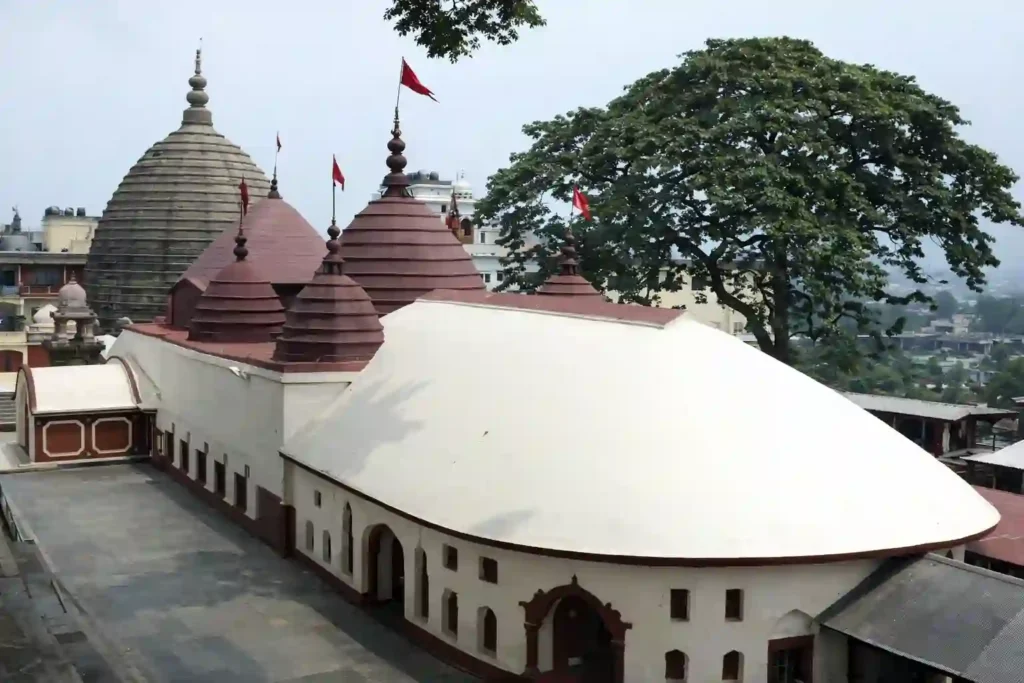
The present structure was rebuilt in the 16th century by Koch King Nara Narayana and later expanded by Ahom rulers.
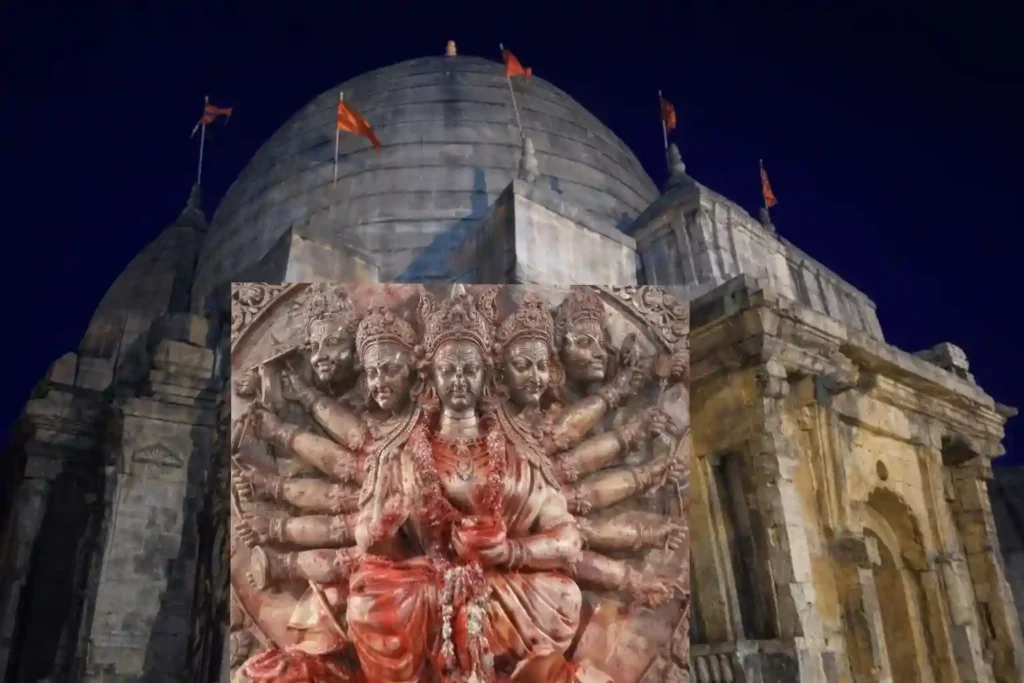
The temple complex houses shrines of the ten Mahavidyas, making it one of the most active Shakta centers in India.
Kamakhya is not merely a historical monument. It is a living spiritual current.
Planning Your Visit for Ambubachi Mela 2026
Ambubachi Mela 2026 will attract lakhs of devotees. Careful planning is essential.
How to reach Kamakhya Temple
By Air
Lokpriya Gopinath Bordoloi International Airport, Guwahati
Approximately 20 km from Nilachal Hill.
By Train
Guwahati Railway Station is well connected.
Kamakhya Railway Station is closer to the hill.
By Road
Taxis and app-based cabs operate regularly. Traffic becomes extremely heavy during Ambubachi.
Vehicles can go up Nilachal Hill. From the parking area, devotees walk to the temple entrance.
Darshan system during Ambubachi Mela 2026
Expect long queues.
Darshan options generally include:
- Free general queue
- Special or paid darshan counters (subject to yearly rules)
- Limited senior citizen assistance
Online booking availability varies each year. Always check official temple sources.
Waiting time on reopening day may extend several hours. Carry water and remain patient.
Patience becomes part of the pilgrimage.
Accommodation, weather and food
Guwahati offers:
- Budget dharamshalas near the temple
- Mid-range hotels in the city
- Premium hotels near the Brahmaputra riverfront
Accommodation should be booked 2–3 months in advance for Ambubachi Mela 2026.
June in Guwahati is humid and often rainy due to monsoon. Pilgrims should carry:
- Umbrella or raincoat
- Non-slip footwear
- Light cotton clothing
During the mela:
- Free community meals operate
- Many pilgrims prefer sattvic food
- Vegetarian options are easily available
Carry light snacks and stay hydrated during long queues.
Completing the pilgrimage: Visit Umananda Bhairava
After darshan at Kamakhya, pilgrims traditionally proceed to Umananda Temple.
Boats operate from Uzan Bazaar ghat.
In Shakta tradition, Bhairava complements Shakti. Without Bhairava darshan, the pilgrimage is considered spiritually incomplete.
Spiritual significance of Ambubachi Mela 2026
Devotees seek:
- Fertility blessings
- Removal of obstacles
- Emotional healing
- Protection from negative forces
- Awakening of inner Shakti
Ambubachi Mela 2026 reminds us that menstruation is sacred, fertility is divine, and rest is part of cosmic rhythm.
Conclusion
Ambubachi Mela 2026 is not merely a gathering. It is a rare convergence of theology, Tantra, nature, and devotion.
For three days, the temple remains silent.
For three days, the Goddess rests.
On reopening, the doors open to a spiritually charged atmosphere unlike any other.
Prepare your travel well.
Prepare your body patiently.
But most importantly, prepare your inner state.
When you descend into the sanctum on Nilachal Hill during Ambubachi Mela 2026, you stand before the symbolic origin of creation itself and that experience changes you quietly.
Suggested Reading
If this guide on Ambubachi Mela 2026 inspired you, you may also explore these related reflections for deeper understanding of Shakti worship, spiritual principles, and sacred pilgrimage:
- Maa Kamalatmika: The Final Mahavidya and the Goddess of Sacred Abundance
https://thesanatantales.com/maa-kamalatmika-the-final-mahavidya/ - Das Mahavidya: From Kali to Kamala — The Journey Within
https://thesanatantales.com/das-mahavidya-from-kali-to-kamala/ - What Is Sanatan Dharma? Meaning and Core Principles
https://thesanatantales.com/what-is-sanatan-dharma-meaning-core-principles/ - What Is Brahma Muhurta and Why It Matters
https://thesanatantales.com/brahma-muhurta-meaning-benefits/ - Kaal Bhairav Ashtakam: Meaning, Benefits and Spiritual Power
https://thesanatantales.com/kaal-bhairav-ashtakam/
These readings softly connect the larger framework of sacred feminine worship, pilgrimages, and inner transformation with your experience of Ambubachi Mela.
Suggested Reading
What is the date of Ambubachi Mela?
Ambubachi Mela is usually observed in June every year during the monsoon onset. In 2026, it is expected to be held from 22 June to 25 June, subject to official muhurat confirmation by the temple authorities.
Why is Kamakhya Temple closed for 3 days?
The temple closes to mark the annual menstruation of Maa Kamakhya. These three days symbolize the sacred fertility and rest phase of the Divine Mother before renewal.
Are men allowed in Ambubachi Mela?
Yes. Ambubachi Mela is open to all devotees, including men and women. The temporary closure applies equally to everyone during the three-day period.
Can an unmarried couple go to the Kamakhya Temple?
Yes. There are no restrictions based on marital status. Anyone visiting with devotion and respect is allowed to seek darshan.
Who is eligible for VIP Darshan?
VIP or special darshan is usually available through paid tickets or official arrangements, subject to temple rules. Eligibility depends on the temple administration’s guidelines for that year.
Who is not allowed in Kamakhya Temple?
There are no caste or gender-based entry restrictions. However, entry may be restricted for security reasons or if someone violates temple discipline and decorum.
Is it good to get periods during Ambubachi?
Spiritually, Ambubachi celebrates menstruation as sacred. Some devotees consider it symbolically meaningful, but it is not viewed as a mandatory or special omen.
What documents are needed for VIP Darshan?
Valid government-issued photo ID is generally required for VIP or special darshan tickets. Requirements may vary each year based on temple administration rules.
What to avoid during Ambubachi?
Avoid rushing, disrespecting rituals, attempting unauthorized tantric practices, or ignoring crowd safety guidelines. Maintain humility, patience, and discipline throughout the pilgrimage.