
Makar Sankranti Festival is one of those celebrations that quietly reminds us that life always moves forward. It marks a shift in the Sun’s journey, but it also reflects a deeper inner movement, from darkness toward light, from heaviness toward hope.
Celebrated across India in many beautiful forms, Makar Sankranti or Uttarayan connects farming cycles, seasonal change, and spiritual awareness into one sacred moment.
Unlike many Hindu festivals that follow the lunar calendar, Makar Sankranti Festival follows the solar cycle. This makes it unique and deeply rooted in nature. As winter slowly begins to loosen its grip, the festival arrives like a gentle promise of warmth, abundance, and renewal.
Table of Contents
ToggleWhen Is Makar Sankranti Festival Celebrated?
Makar Sankranti Festival is usually celebrated on 14th January, and in some years on 15th January. This year, Makar Sankranti Festival will be celebrated on Wednesday, 14th January 2026.
This date marks the moment when the Sun enters the zodiac sign Makara (Capricorn). From this day onward, the Sun begins its Uttarayan journey, moving northward.
In Sanatan Dharma, Uttarayan is considered highly auspicious. It is believed that days become longer, energy becomes lighter, and spiritual efforts gain strength. This is why the date of Makar Sankranti holds such an important place among Hindu festivals.
The Deeper Meaning of Makar Sankranti
At its heart, Makar Sankranti Festival is not just about a change in season or date. It is about direction. The Sun changing its path symbolises the soul’s movement toward awareness.
Just as the Sun moves away from darkness, devotees are reminded to move away from ignorance, ego, anger, and fear. This inner shift is the true spiritual meaning of Makar Sankranti.
Scriptures describe Uttarayan as a favourable time for meditation, charity, and self-discipline. The festival gently teaches that growth happens when we align ourselves with natural rhythms instead of resisting them.
Spiritual Significance of Makar Sankranti in Sanatan Dharma
The spiritual significance of Makar Sankranti Festival lies in the harmony between cosmic movement and inner transformation.
Devotees believe that charity done on this day brings multiplied blessings, holy baths purify both body and mind, feeding others lightens karma, and gratitude toward nature strengthens dharma. The festival quietly reminds us that spirituality is not separate from daily life.
It lives in simple actions like sharing food, respecting the Sun, and choosing awareness over habit.
Rituals and Traditions of Makar Sankranti Festival
The rituals of Makar Sankranti Festival are simple, earthy, and meaningful.
Many people begin the day with a holy bath, often in sacred rivers like the Ganga, Yamuna, or Godavari. This bath symbolises letting go of old heaviness and beginning fresh. Offerings are then made to Surya Dev, expressing gratitude for light, warmth, and life itself.
Sesame seeds, jaggery, rice, and ghee are commonly used in rituals as they represent nourishment, sweetness, and stability. One of the most important practices is daan (charity). Food, grains, clothes, and blankets are donated to those in need. The belief is simple and powerful. When we share during abundance, prosperity continues to flow.
WhWhy Sesame Seeds and Jaggery Are Important on Makar Sankranti
Til (sesame seeds) and jaggery hold a special place in Makar Sankranti Festival celebrations. They are not chosen randomly.
Sesame seeds are warming and grounding, ideal for winter. Jaggery provides energy and sweetness. Together, they symbolise warmth, harmony, and unity.
The popular phrase spoken during the festival reminds people to speak sweetly and let go of bitterness. In this way, a food tradition becomes a gentle spiritual lesson about relationships and speech.
Makar Sankranti Festival Celebrated Across India
One of the most beautiful aspects of Makar Sankranti Festival is how it is celebrated differently across regions, yet the essence remains the same.
In Tamil Nadu, it is celebrated as Pongal, a four-day harvest festival dedicated to the Sun, cattle, and nature. In Andhra Pradesh and Telangana, it is known simply as Sankranti, marked by rangolis, family gatherings, and kite flying.
In Punjab, the festival is celebrated as Lohri, with bonfires and folk songs. In Assam, it is known as Magh Bihu, marking the end of the harvest season. In Gujarat and Rajasthan, the sky fills with colourful kites.
Different names, different customs, but the same spirit of gratitude and renewal.
Kite Flying Tradition and Its Hidden Meaning
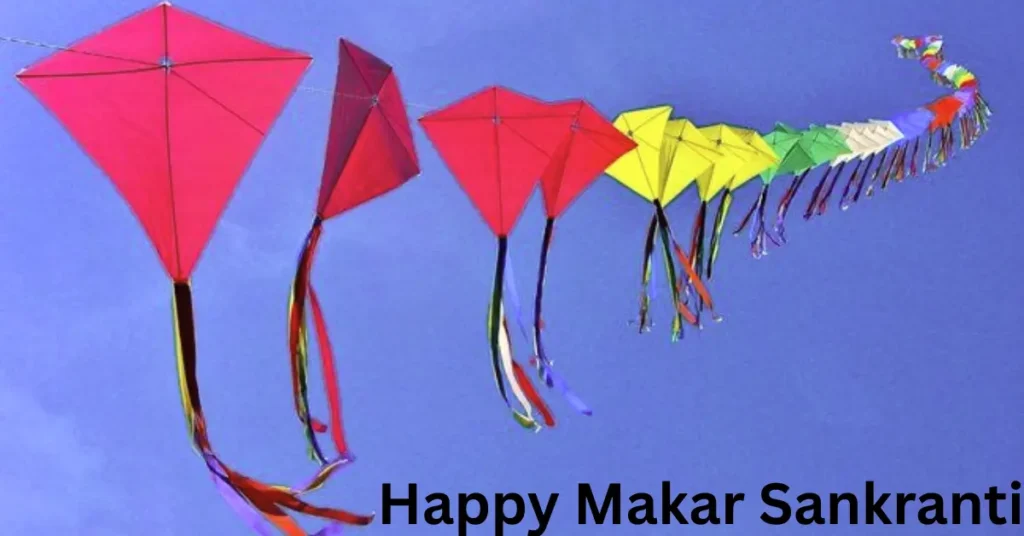
Kite flying during Makar Sankranti Festival is more than a joyful activity. It carries health and symbolic meaning.
Spending time under the winter sun helps the body absorb sunlight and supports immunity. Symbolically, flying a kite represents rising above limitations, letting go of heaviness, and allowing the spirit to feel light and free.
As kites soar high, they quietly remind us that life is meant to rise, not remain stuck.
Connection of Makar Sankranti Festival with Agriculture
Makar Sankranti Festival is deeply connected to India’s agricultural roots. It marks the end of the harvesting season for many crops.
Farmers thank the Sun, soil, water, and cattle for their support. This gratitude-based relationship with nature is one of the strongest teachings of Sanatan Dharma. The festival teaches balance. Take from nature, but also respect it. Celebrate abundance, but remain humble.
Why Makar Sankranti Is Considered Auspicious
Unlike many festivals rooted mainly in mythology, Makar Sankranti Festival is based on astronomy. This scientific alignment gives it universal relevance.
It is believed that spiritual practices done during Uttarayan bring greater clarity and results. Many people choose this time for vows, meditation, and inner reflection. The festival gently tells us that when nature moves toward light, humans should move toward wisdom.
Food Traditions of Makar Sankranti Festival
Every region prepares special dishes using newly harvested crops. Rice, lentils, sesame, jaggery, and ghee dominate the menu.
These foods provide warmth and energy during winter and remind us of nature’s generosity. Sharing food with family, neighbours, and the needy turns meals into blessings and strengthens bonds.
Makar Sankranti Festival in Modern Times
Even today, Makar Sankranti Festival holds deep relevance. Amid fast lives and digital routines, it gently brings people back to nature, family, and gratitude.
It does not demand grand rituals. It asks only for awareness. Look at the Sun. Feel the change in the air. Share something sweet. Speak kindly. Move forward. That is the true message of Makar Sankranti.
Conclusion: The Inner Uttarayan
Makar Sankranti Festival is not just about the Sun’s movement. It is a reminder of our own inner direction. As the Sun enters Makara, we are invited to step into discipline, clarity, and conscious living.
Festivals like this keep Sanatan Dharma alive not through fear or rigid rules, but through harmony with nature and gentle wisdom.
Festivals like Makar Sankranti Festival show how Sanatan Dharma aligns human life with cosmic rhythm and nature’s flow. Devotees who wish to explore deeper meanings can read more articles on Folk myths, Divine life, Festival, Mantra and Sanatan FAQs and other important Hindu festivals and vrats on thesanatantales.com, where ancient wisdom is shared in a simple and heartfelt way.
Is Makar Sankranti always on 14th January?
Mostly yes. Occasionally it falls on 15th January depending on the Sun’s transit.
Why is Makar Sankranti not based on the lunar calendar?
Because it is a solar festival based on the Sun’s movement into Capricorn.
Is Makar Sankranti a harvest festival?
Yes. It marks harvest celebrations in many parts of India.
Can Makar Sankranti be celebrated at home?
Yes. Simple prayers, charity, and gratitude are enough.
Why is charity important on Makar Sankranti?
Charity symbolizes sharing abundance and purifying karma during an auspicious solar transition.