
Pavagadh Temple Gujarat is one of the most important Shakti Peeths dedicated to Maa Mahakali.
Located on an ancient volcanic hill, this sacred site is not only known for its deep spiritual significance but also for its rich historical and cultural layers.
Pavagadh Temple Gujarat is known as a powerful Shakti Peeth, but its experience goes beyond belief.
The journey, the climb, and the darshan together create something deeply personal.
For many, it is not just about reaching the temple. It is about what changes within during the journey.
Table of Contents
ToggleWhere is pavagadh temple and what makes it unique
Pavagadh Temple Gujarat is located in Panchmahal district, around 50 km from Vadodara and about 150 km from Ahmedabad.
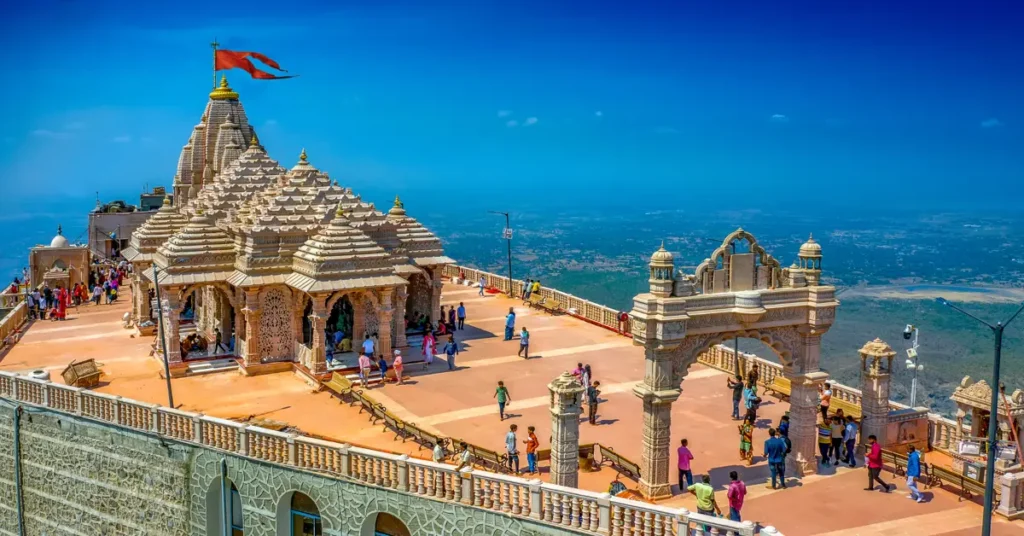
The temple stands on Pavagadh Hill at about 800 meters height. It is part of the Champaner-Pavagadh Archaeological Park.
What makes Pavagadh Temple Gujarat special is its layered identity. It is not just a temple, but a place where history, culture, and devotion come together.
Pavagadh temple history and shakti peeth significance
Pavagadh Temple Gujarat is one of the important Shakti Peeths in India.
According to belief, when Maa Sati sacrificed herself, Lord Shiva carried her body. The places where her body parts fell became Shakti Peeths.
At Pavagadh Temple Gujarat, most traditions say the right toe fell, while some mention part of the foot.
Despite this variation, all traditions agree that this is a powerful seat of Maa Mahakali.
Rishi vishwamitra and the spiritual origin
There is a traditional belief that Vishwamitra performed tapas on this hill.
Because of this, Pavagadh Temple Gujarat is seen as a spiritually charged place. Many devotees feel a strong inner energy here.
Another belief says the hill itself is a fragment of a sacred mountain brought by divine forces.
These beliefs are part of living tradition and add depth to the temple’s identity.
Temple form, deity and symbolic meaning
The form of Maa Mahakali at Pavagadh Temple Gujarat is unique and simple.
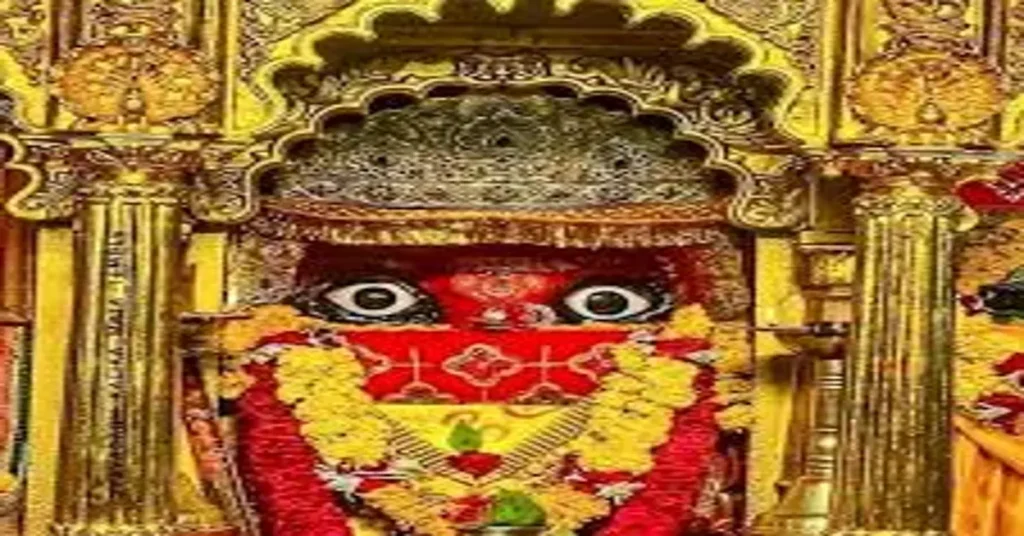
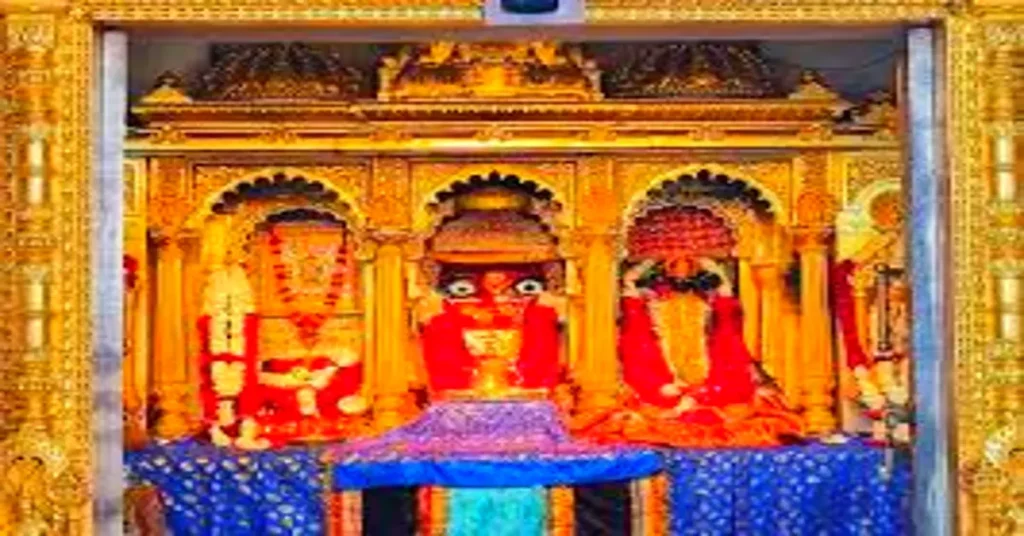
Instead of a full idol, the presence is seen as a red sacred face called Mukhwato.
This reflects direct divine presence and active Shakti energy.
The simplicity of the temple gives it a raw and powerful feeling.
Bhairav connection and tantric dimension
Every Shakti Peeth has a Bhairav connection, and Pavagadh Temple Gujarat follows this tradition.
It is also known for its connection with Shakta and tantric practices, though these are not openly visible.
Many devotees feel strong emotional and spiritual experiences here.
This reflects the transformative nature of Maa Mahakali.
Temple rituals and real devotee practices
Rituals at Pavagadh Temple Gujarat are simple and based on devotion.
Common offerings include coconut, red chunri, and prasad.
Many devotees climb barefoot as a vow and chant Maa’s name during the journey.
There are no strict rules. Bhakti matters more than perfection.
Pavagadh temple steps ropeway and the inner journey
Pavagadh Temple Gujarat steps and ropeway are important for planning the visit.
The ropeway covers most of the climb, and about 200–250 steps remain after that.
The full climb has around 1800–2000 steps for those who choose to walk.
But this journey is not just physical. Many devotees feel emotional release and clarity during the climb.
Historical layers and champaner connection
Pavagadh Temple Gujarat is part of the Champaner region, which has deep historical layers.
This includes Solanki and Chauhan rule, along with Jain and Islamic influences.
A popular story about King Patai Raval teaches the importance of humility before the Goddess.
These layers make the temple more than just a religious place.

2022 reconstruction and restorationn
In 2022, a major restoration happened at Pavagadh Temple Gujarat.
After nearly 500 years, the temple’s shikhara was rebuilt and the flag was restored.
This brought back the temple’s traditional identity.
For many devotees, this felt like a spiritual renewal.
Geological uniqueness of pavagadh hill
Pavagadh Hill is one of the oldest volcanic formations in India.
This makes Pavagadh Temple Gujarat both spiritually and geologically ancient.
Many devotees feel that such ancient places carry a strong energy.
This adds another dimension to the temple experience.
Around Pavagadh Temple Gujarat, there are many sacred and historical places.
These include Dudhiya Talav, Jain temples, Lakulisa Temple, and ancient ruins.
Together, they create a complete spiritual landscape.
A visit here becomes a full journey, not just a temple visit.
Pavagadh Temple Gujarat darshan is usually from 6:00 AM to 7:30 PM.
Entry is free, and the best time to visit is from October to February.
Navratri is powerful but very crowded.
Nearest cities include Vadodara and Ahmedabad.
Pavagadh Temple Gujarat is a strong Shakti space.
It may feel intense, raw, and deeply transformative.
Maa Mahakali’s nature is not always gentle. She transforms before she comforts.
If you go with openness, the experience becomes deeper.
Pavagadh Temple Gujarat is not just a Shakti Peeth. It is a place where devotion, history, and transformation come together.
From its history to its climb and rituals, every part carries meaning.
For many devotees, the journey begins as a visit, but what they take back is something deeper.
That is the true blessing of Pavagadh Temple Gujarat.
If you want to explore deeper into Shakti worship and related traditions:
Shakti Peeths in India: Complete Guide
https://thesanatantales.com/shakti-peethas-maa-sati-story/
Maa Kali: Meaning, Forms and Spiritual Significance
https://thesanatantales.com/maa-kali-origin-story-meaning-power/
Mahavidya Explained: From Kali to Kamala
https://thesanatantales.com/das-mahavidya/
You can follow us on Instagram @thesanatanroots, Facebook Page @thesanatanroots and on YouTube @SanatanTalesIndia.
Is Pavagadh Temple a Shakti Peeth?
Yes, it is one of the sacred Shakti Peeths.
Which part of Sati fell here?
Most traditions say the right toe, though some mention part of the foot.
How many steps are there in Pavagadh Temple?
Around 1800–2000 steps.
Is ropeway available in Pavagadh Temple?
Yes, and it covers most of the climb.
What are Pavagadh Temple darshan timings?
Around 6:00 AM to 7:30 PM.