What Is Pitru Paksha? Pitru Paksha is one of the most important observances in Sanatan Dharma because it is dedicated to remembering, honoring, and expressing gratitude to our departed ancestors. During this sacred period, families perform rituals such as Shraddha, Tarpan, Pind Daan, prayers, and acts of charity to seek peace for the departed souls and blessings for future generations.
The Pitru Paksha meaning is closely connected with ancestral remembrance, gratitude, family lineage, and the concept of Pitru Rina (debt to ancestors). It reflects the belief that our lives are linked not only to the present generation but also to those who came before us. Understanding why Pitru Paksha is observed helps us appreciate the importance that Sanatan Dharma places on honoring parents, grandparents, and forefathers.
The significance of Pitru Paksha is described in various Hindu traditions and scriptures. It is considered a sacred time to offer prayers, water, food, and charitable donations in memory of departed ancestors. These Pitru Paksha rituals are not performed out of fear but as an expression of respect, gratitude, and spiritual responsibility toward one’s family lineage.
Many people have questions about What Is Pitru Paksha, who should observe it, what happens during Pitru Paksha, why Shraddha and Tarpan are performed, and whether these traditions are still relevant in modern life. Understanding these practices also provides deeper insight into Hindu teachings on karma, rebirth, family duties, and the connection between generations.
In this article, you will learn what Pitru Paksha is, its meaning and spiritual significance, why Pitru Paksha is observed, the story of Karna from the Mahabharata, important Pitru Paksha rituals such as Shraddha, Tarpan, and Pind Daan, what is traditionally avoided during this period, the significance of Sarva Pitru Amavasya, and why honoring ancestors remains an important part of Sanatan Dharma today.
Table of Contents
ToggleWhat Is Pitru Paksha?
What Is Pitru Paksha? Pitru Paksha is a sacred fortnight in Sanatan Dharma dedicated to remembering, honoring, and offering prayers for departed ancestors. Observed during the Krishna Paksha (waning phase of the Moon) in the Hindu month of Bhadrapada or Ashwin, this period is considered especially auspicious for performing Shraddha, Tarpan, Pind Daan, and charitable acts in memory of one’s forefathers.
The term Pitru Paksha is derived from two Sanskrit words. Pitru means ancestors or departed family members, while Paksha refers to a lunar fortnight. Together, the term means “the fortnight dedicated to ancestors.” Because of its close association with Shraddha rituals, it is also commonly known as Shraddha Paksha or Mahalaya Paksha.
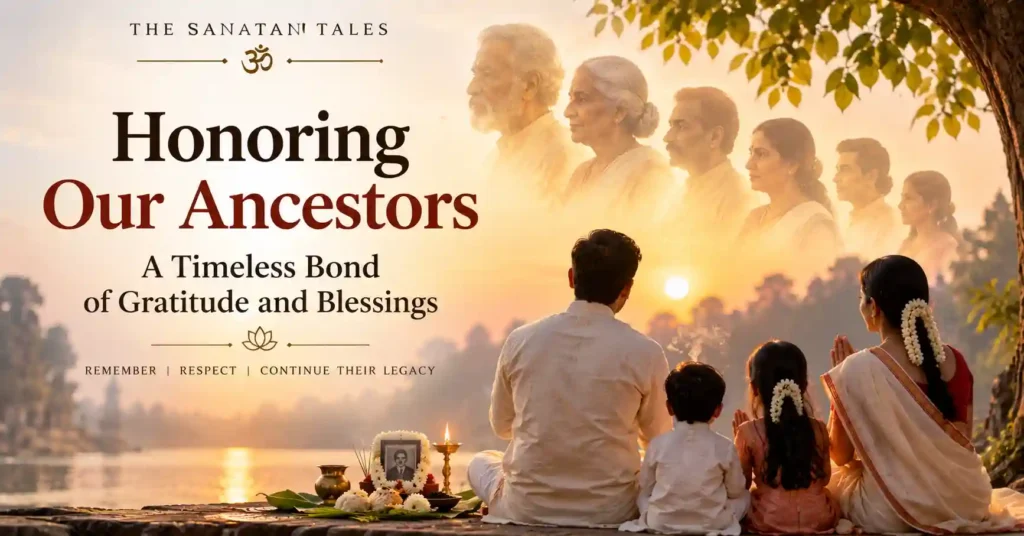
According to Hindu tradition, our forefathers continue to hold an important place in the spiritual journey of a family. While they may no longer be physically present, their blessings, values, traditions, and guidance remain part of the family’s legacy. This understanding forms the foundation of why Pitru Paksha is observed and why the tradition of ancestral remembrance has been preserved for generations.
During this period, families perform various Pitru Paksha rituals to express gratitude and pray for the peace and well-being of departed souls. These observances often include offering water through Tarpan, performing Shraddha on the appropriate tithi, offering Pind Daan, feeding Brahmins or the needy, and engaging in charitable acts. The purpose of these rituals is to honor previous generations with faith, respect, and sincerity.
The observance of Pitru Paksha is also connected with the concept of Pitru Rina, one of the traditional debts described in Hindu philosophy. Just as individuals are indebted to the sages who preserved knowledge and the deities who sustain life, they are also believed to owe gratitude to the family lineage that gave them life, culture, values, and traditions.
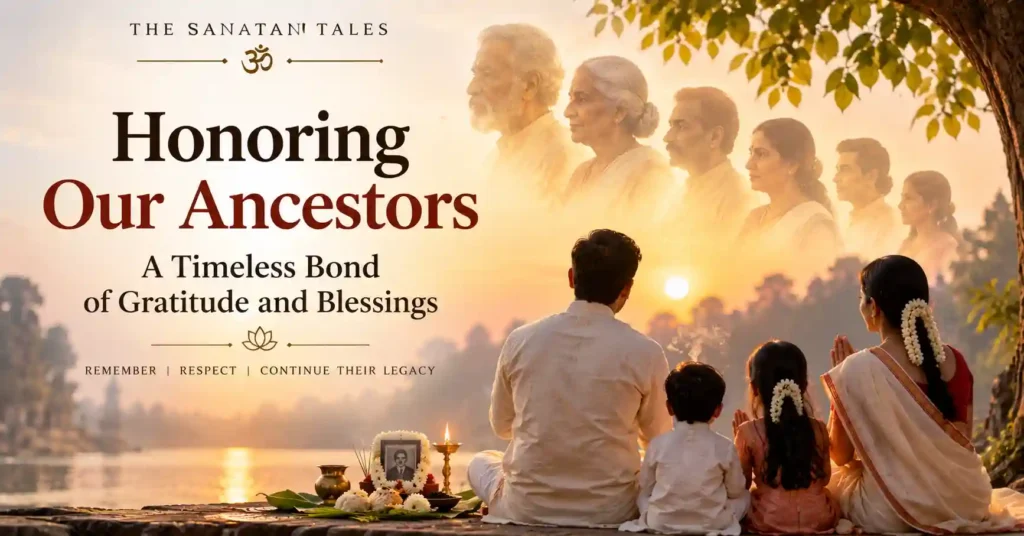
Far from being a period of mourning, Pitru Paksha is primarily a time of remembrance and gratitude. It reminds us that our lives are connected to those who came before us and that honoring their memory is an important part of Dharma.
In simple terms, What Is Pitru Paksha? It is a sacred period dedicated to honoring departed ancestors through prayers, offerings, and acts of charity while seeking their blessings for peace, prosperity, and spiritual well-being.
Why Is Pitru Paksha Observed?
Many people know about the rituals performed during Pitru Paksha, but understanding why Pitru Paksha is observed reveals the deeper spiritual purpose behind this sacred period. In Sanatan Dharma, Pitru Paksha is not merely a set of customs. It is a time dedicated to gratitude, remembrance, and fulfilling one’s responsibilities toward previous generations.
One of the main reasons for observing Pitru Paksha is to honor the ancestors who contributed to our existence. Our parents, grandparents, and forefathers passed down life, values, traditions, culture, and family heritage. By remembering them through prayers and offerings, we acknowledge their role in shaping who we are today.
The observance of Pitru Paksha is also linked to the concept of Pitru Rina, or the debt owed to ancestors. Hindu philosophy teaches that every individual has certain responsibilities toward the sources of their existence. Just as we show gratitude to teachers for knowledge and to the Divine for sustaining life, we are also encouraged to remember and respect those who came before us.
Another important aspect of the significance of Pitru Paksha is seeking blessings for the well-being of the family. Traditional beliefs hold that sincere prayers, Shraddha, Tarpan, and acts of charity performed during this period help bring peace to departed souls while strengthening the spiritual bond between generations.
Pitru Paksha also serves as a reminder that life is temporary and that every person is part of a larger family lineage. Taking time to remember previous generations encourages humility, gratitude, and a deeper appreciation for the sacrifices made by those who came before us.
Ultimately, why is Pitru Paksha observed? It is observed to honor ancestors, express gratitude for their contributions, fulfill one’s spiritual responsibilities, and seek blessings for peace, prosperity, and harmony in the family. Through these acts of remembrance, Sanatan Dharma teaches the timeless value of respecting and preserving our connection with previous generations.
The Story of Karna and Pitru Paksha
One of the most popular stories associated with Pitru Paksha comes from the Mahabharata and helps explain the importance of remembering and honoring ancestors.
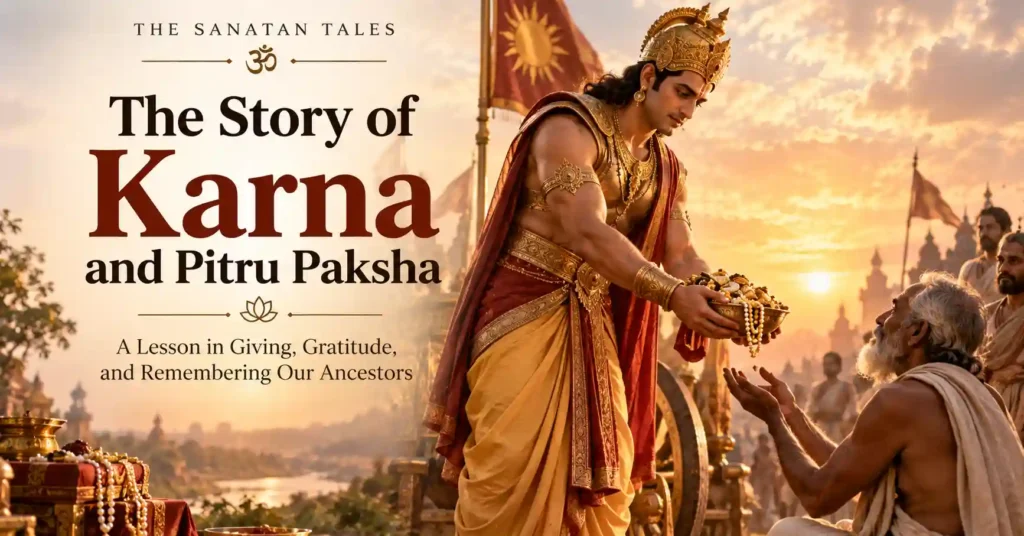
According to tradition, Karna was known throughout his life for his generosity and charity. He donated wealth, gold, and valuable possessions to those in need and earned great respect for his selfless nature. However, after his death, he discovered that although he had given away immense material wealth, he had never offered food or water in memory of his ancestors.
As a result, when Karna reached the heavenly realms, he received gold and jewels instead of food. Surprised by this, he asked why this was happening. He was told that while he had generously donated wealth during his lifetime, he had not performed offerings for his departed forefathers because he was unaware of his true family lineage for much of his life.
Moved by his sincerity, Karna was granted permission to return to Earth for a period of fifteen days. During this time, he offered food, water, prayers, and charitable donations in memory of his ancestors. According to Hindu tradition, these fifteen days came to be associated with Pitru Paksha, a sacred period dedicated to honoring departed family members.
While different traditions may narrate the story with slight variations, its message remains the same. The story highlights the importance of not only helping the living through charity but also remembering those who came before us with gratitude and respect.
For many devotees, the story of Karna serves as a reminder that material success alone is not enough. Sanatan Dharma encourages individuals to maintain a connection with their family lineage, honor their ancestors, and fulfill their responsibilities through prayer, remembrance, and acts of compassion during Pitru Paksha.
Important Rituals Performed During Pitru Paksha
Various Pitru Paksha rituals are performed during this sacred period to honor departed ancestors and express gratitude for their contributions to the family lineage. While customs may vary across regions and traditions, the purpose of these observances remains the same: remembrance, prayer, and respect for previous generations.
Shraddha is one of the most important rituals performed during Pitru Paksha. The word “Shraddha” comes from Shraddha, meaning faith and devotion. It involves offering food and prayers in memory of departed family members while seeking peace for their souls and blessings for the family.
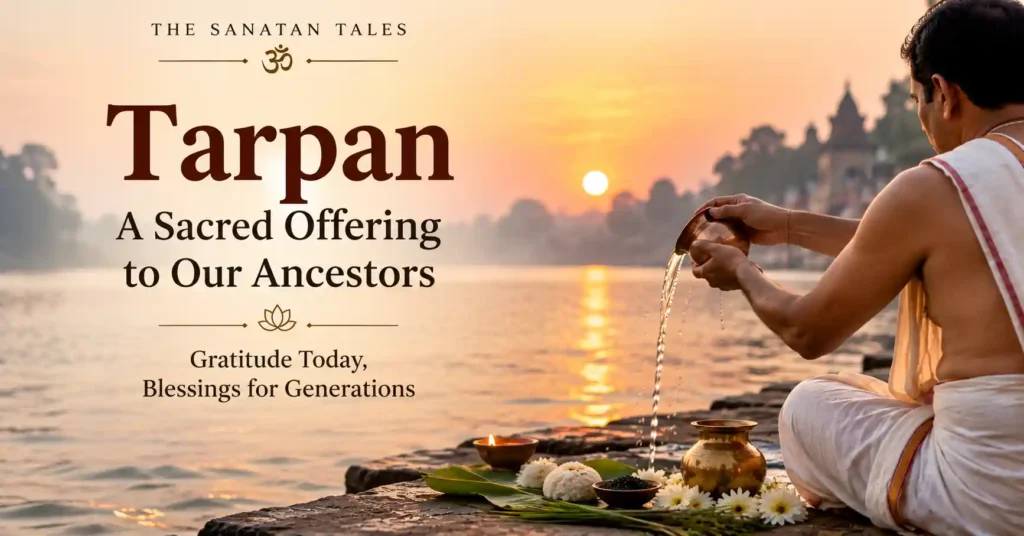
Tarpan is the ritual of offering water, usually mixed with black sesame seeds, while reciting prayers for ancestors. This simple yet meaningful practice symbolizes gratitude and remembrance. Many devotees perform Tarpan near rivers, lakes, or other sacred water bodies.
Pind Daan involves offering rice balls, known as pinds, to departed ancestors. According to Hindu tradition, this ritual represents respect and devotion toward forefathers and is considered especially significant at certain sacred pilgrimage sites.
Charity and feeding the needy are also important aspects of Pitru Paksha. Donating food, clothes, or other necessities and feeding Brahmins, cows, birds, or those in need are considered acts of merit. These charitable deeds are performed with the intention of honoring ancestors through selfless service.
Although the specific rituals may differ from one family to another, the underlying message remains unchanged. The various Pitru Paksha rituals encourage gratitude, remembrance, compassion, and a deeper appreciation of the generations that helped shape our lives.
Spiritual Significance of Pitru Paksha
Beyond its rituals and traditions, the spiritual significance of Pitru Paksha lies in the values it teaches. This sacred period reminds us that life is not an isolated journey but part of a continuous chain connecting past, present, and future generations.
One of the central teachings of Pitru Paksha is gratitude. In today’s fast-paced world, it is easy to focus only on the present. Pitru Paksha encourages us to pause and acknowledge the sacrifices, efforts, and contributions of those who came before us. Remembering ancestors helps cultivate humility and appreciation for the foundation they provided.
Pitru Paksha also highlights the importance of family lineage and Dharma. Sanatan Dharma teaches that honoring one’s parents and ancestors is a sacred responsibility. By performing prayers, offerings, and acts of charity, devotees express respect for their roots and strengthen their connection with family traditions.
Another important aspect of the significance of Pitru Paksha is spiritual reflection. The observance reminds us of the temporary nature of life and encourages us to think beyond material pursuits. It inspires individuals to focus on values such as compassion, service, gratitude, and selfless action.
For many devotees, Pitru Paksha is also a time to pray for the peace of departed souls and seek blessings for the well-being of the family. These prayers reinforce the belief that love, respect, and remembrance continue even after physical separation.
Ultimately, the spiritual message of What Is Pitru Paksha goes beyond rituals. It teaches gratitude for the past, responsibility in the present, and awareness of the legacy we leave for future generations. Through remembrance and devotion, Pitru Paksha helps strengthen both family bonds and spiritual understanding.
What Should Be Avoided During Pitru Paksha?
Pitru Paksha is traditionally regarded as a period of remembrance and spiritual reflection rather than celebration. For this reason, many families choose to postpone certain auspicious activities until the observance has concluded. However, customs can vary based on regional traditions, family practices, and guidance from spiritual teachers.
Many people avoid organizing major celebrations such as weddings, engagement ceremonies, housewarming functions, and other festive events during Pitru Paksha. This is because the period is primarily dedicated to honoring departed ancestors and offering prayers for their peace and well-being.
Some devotees also follow a simpler lifestyle during these days by reducing unnecessary entertainment, practicing self-discipline, and spending more time in prayer, charity, or spiritual activities. The focus shifts from celebration to gratitude, remembrance, and reflection.
It is important to understand that the purpose of these traditions is not to create fear or negativity around Pitru Paksha. Instead, they encourage devotees to dedicate this sacred period to their ancestors with sincerity and devotion before returning to regular celebrations and festivities.
Ultimately, the customs observed during Pitru Paksha are meant to help individuals maintain a respectful and mindful atmosphere while honoring the memory of previous generations.
Can Women Perform Shraddha During Pitru Paksha?
A common question during Pitru Paksha is whether women can perform Shraddha and other ancestral rituals. While practices may vary across regions, family traditions, and sampradayas, there is no single universal rule followed by all Hindus.
Traditionally, Shraddha rituals were often performed by the eldest male member of the family. However, many Hindu traditions and scholars acknowledge that the sincerity, devotion, and intention behind the ritual are more important than gender. In situations where there is no male heir, women have historically performed Shraddha, Tarpan, and prayers for departed ancestors.
Today, many families accept and encourage women to participate in or perform ancestral rites, especially when circumstances require it. Widows, daughters, and other female family members may observe rituals according to their family customs and the guidance of their spiritual tradition.
Since practices differ among communities, it is always advisable to follow the traditions of one’s family or seek guidance from a knowledgeable priest or spiritual teacher when there is uncertainty.
Ultimately, the purpose of Pitru Paksha rituals is to honor ancestors with faith, gratitude, and respect. These values remain at the heart of the observance, regardless of who performs the prayers and offerings.
What If the Date of an Ancestor's Death Is Unknown?
One concern many families have during Pitru Paksha is what to do if they do not know the exact date or tithi of an ancestor’s death. This situation is quite common, especially when records have been lost over generations or when details are no longer known within the family.
In such cases, Hindu tradition provides a special day known as Sarva Pitru Amavasya, which falls on the last day of Pitru Paksha. It is considered an appropriate occasion to perform Shraddha, Tarpan, and prayers for all departed ancestors whose death dates are unknown or whose annual rites could not be performed on the proper tithi.
Many devotees also use this day to remember all departed family members collectively rather than focusing on a single ancestor. Offerings of water, food, prayers, and acts of charity are performed with devotion and gratitude, seeking peace for the departed souls and blessings for the family.
The existence of Sarva Pitru Amavasya reflects an important teaching of Sanatan Dharma: sincere intention matters more than perfect circumstances. Even when specific details are unavailable, devotees can still honor their ancestors with faith, remembrance, and respect during Pitru Paksha.
Pitru Paksha in Modern Life
Many people wonder whether the traditions associated with Pitru Paksha are still relevant in today’s fast-paced world. While lifestyles have changed significantly, the core values behind this sacred observance remain as meaningful as ever.
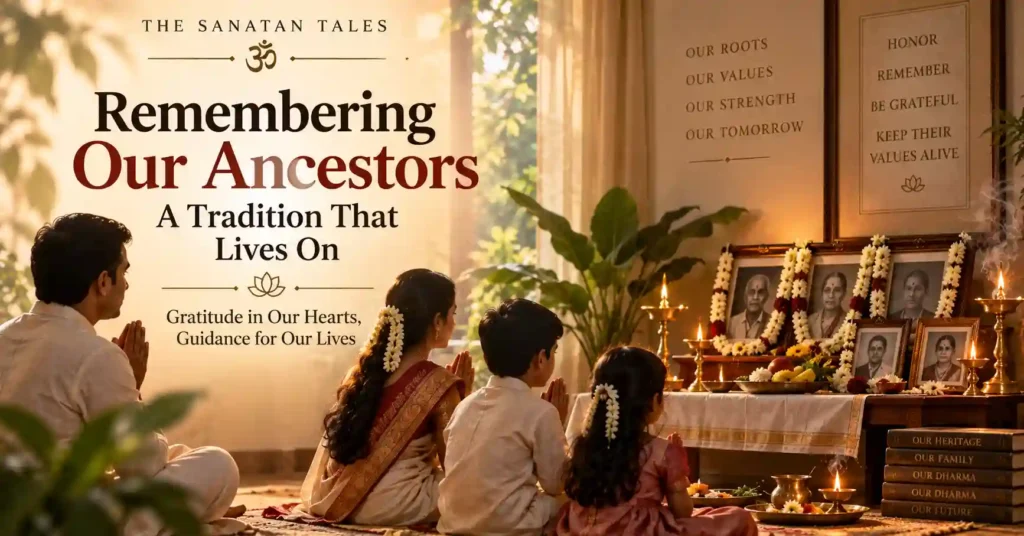
At its heart, What Is Pitru Paksha if not a reminder to express gratitude toward those who helped shape our lives? Even if a person cannot perform elaborate rituals, they can still honor their ancestors through sincere prayers, acts of charity, and by preserving the values passed down through generations.
For some families, observing Pitru Paksha may involve performing Shraddha and Tarpan according to tradition. Others may choose simpler forms of remembrance, such as visiting a temple, offering prayers at home, feeding the needy, or spending time reflecting on the contributions of their parents and grandparents.
The significance of Pitru Paksha extends beyond ritual observance. It encourages individuals to strengthen family bonds, appreciate their heritage, and recognize that their lives are part of a much larger story that spans generations.
In a world that often focuses on the future, Pitru Paksha reminds us not to forget the past. By honoring the memory of those who came before us, we cultivate gratitude, humility, and a deeper understanding of our roots. These timeless values continue to make Pitru Paksha relevant for modern families and future generations alike.
Key Takeaways
- What Is Pitru Paksha? It is a sacred fortnight in Sanatan Dharma dedicated to honoring and remembering departed ancestors through prayers, offerings, and acts of charity.
- The Pitru Paksha meaning reflects the importance of gratitude toward previous generations and the recognition of their contribution to our lives.
- One of the main reasons Pitru Paksha is observed is to fulfill one’s spiritual responsibility toward ancestors and seek their blessings for family well-being.
- Important Pitru Paksha rituals include Shraddha, Tarpan, Pind Daan, and charitable activities performed with faith and devotion.
- The story of Karna from the Mahabharata highlights the significance of remembering ancestors and offering prayers on their behalf.
- Even when the exact death date of an ancestor is unknown, devotees can perform rituals on Sarva Pitru Amavasya and pray for all departed family members.
- Beyond rituals, the significance of Pitru Paksha lies in cultivating gratitude, humility, family values, and spiritual awareness.
- The teachings of Pitru Paksha remain relevant today, reminding us to honor our roots and preserve the values passed down through generations.
Conclusion
What Is Pitru Paksha? It is much more than a period for performing rituals. It is a sacred time in Sanatan Dharma dedicated to honoring ancestors, expressing gratitude for their contributions, and remembering the values they passed down through generations. Through practices such as Shraddha, Tarpan, Pind Daan, and acts of charity, devotees strengthen their connection with their family lineage and fulfill an important spiritual responsibility.
The significance of Pitru Paksha lies not only in the rituals themselves but also in the timeless lessons they teach. This observance encourages gratitude, humility, remembrance, and respect for those who came before us. It reminds us that our lives are part of a larger journey that connects past, present, and future generations.
Whether observed through traditional ceremonies or simple prayers offered with sincerity, Pitru Paksha provides an opportunity to honor departed loved ones and seek their blessings for peace, prosperity, and spiritual well-being. By understanding why Pitru Paksha is observed, we gain a deeper appreciation for one of the most meaningful traditions in Sanatan Dharma and the enduring bond between a family and its ancestors.
Suggested Reading
If learning about What Is Pitru Paksha has helped you understand the importance of honoring ancestors, these related articles will help you explore deeper aspects of Sanatan Dharma, including karma, devotion, surrender, spiritual growth, and the ultimate goal of human life.
What is Moksha? Meaning, Path to Liberation and Spiritual Truth
https://thesanatantales.com/what-is-moksha/What Is Bhakti? Meaning, Types, Importance, and Understanding in Sanatan Dharma
https://thesanatantales.com/what-is-bhakti/What Is Sharanagati? Understanding Surrender in Hindu Philosophy
https://thesanatantales.com/what-is-sharanagati/What Is Brahman? Meaning, Nature and Spiritual Significance in Hinduism
https://thesanatantales.com/what-is-brahman/Brahma Muhurta: Meaning, Time, Benefits and Spiritual Significance
https://thesanatantales.com/brahma-muhurta-meaning-time-significance/What Is Rudraksha? Meaning, Types and Spiritual Benefits
https://thesanatantales.com/what-is-rudrakshas/Pitru Paksha (Wikipedia)
https://en.wikipedia.org/wiki/Pitru_Paksha
Through these articles, you can continue exploring the spiritual teachings of Sanatan Dharma, from honoring ancestors and cultivating devotion to understanding the nature of the soul, the Supreme Reality, and the path toward liberation.
FAQs
What is the difference between Pitru Paksha and Shraddha?
Many people use these terms interchangeably, but they refer to different things. Pitru Paksha is the sacred fortnight dedicated to honoring departed ancestors, while Shraddha is one of the rituals performed during that period.
In simple terms, Pitru Paksha refers to the time of ancestral remembrance, whereas Shraddha refers to the act of offering prayers, food, and devotion in memory of departed family members.
Although Shraddha is commonly performed during Pitru Paksha, it may also be observed on other occasions according to family traditions and religious practices.
What happens during Pitru Paksha?
During Pitru Paksha, families remember and honor their ancestors through rituals such as Shraddha, Tarpan, Pind Daan, prayers, and charitable acts. These observances are usually performed on the tithi associated with the ancestor’s passing.
Many devotees also donate food, feed Brahmins, help the needy, and perform acts of service as a mark of gratitude toward previous generations.
The purpose of these practices is to express remembrance, seek blessings for the family, and pray for the peace and well-being of departed souls.
Why is Tarpan important during Pitru Paksha?
Tarpan is the ritual offering of water, often accompanied by black sesame seeds and prayers, in memory of departed ancestors. It is considered one of the most important Pitru Paksha rituals.
The ritual symbolizes gratitude, respect, and remembrance. By offering water with devotion, devotees express their connection with their forefathers and pray for their spiritual well-being.
Although simple in appearance, Tarpan carries deep spiritual meaning and remains an important part of ancestral worship in Sanatan Dharma.
Can Pitru Paksha be observed without performing elaborate rituals?
Yes. While traditional rituals hold great significance, Sanatan Dharma also emphasizes sincerity and devotion. Not everyone may be able to perform detailed ceremonies due to personal circumstances.
In such situations, devotees can offer simple prayers, perform Tarpan, read sacred texts, or engage in charitable activities in memory of their ancestors.
The spirit of Pitru Paksha lies in gratitude and remembrance. Even simple acts performed with faith and respect are considered meaningful.
What is Sarva Pitru Amavasya and why is it important?
Sarva Pitru Amavasya is the final day of Pitru Paksha and holds special importance for those who do not know the exact tithi of an ancestor’s passing.
On this day, devotees offer prayers, Tarpan, and Shraddha for all departed ancestors collectively. It provides an opportunity to honor family members whose death dates may have been forgotten over time.
For this reason, Sarva Pitru Amavasya is often regarded as one of the most significant days of the entire Pitru Paksha period.
Is Pitru Paksha only about rituals and traditions?
No. The significance of Pitru Paksha extends far beyond rituals. At its core, it is a period dedicated to gratitude, remembrance, humility, and respect for those who came before us.
The various rituals serve as outward expressions of these values. They help devotees reflect on family heritage, spiritual responsibilities, and the contributions of previous generations.
This deeper message is one reason why Pitru Paksha continues to remain meaningful across centuries.
Does Pitru Paksha have relevance in modern life?
Yes. Although lifestyles have changed, the values associated with What Is Pitru Paksha remain relevant today. Honoring parents, remembering ancestors, and expressing gratitude are timeless principles that transcend generations.
Many people continue to observe Pitru Paksha through traditional rituals, while others choose simpler forms of remembrance such as prayer, charity, or acts of service.
The observance reminds us that our lives are connected to a larger family lineage and encourages us to preserve the values and traditions passed down through generations.
What is Pind Daan and why is it performed during Pitru Paksha?
Pind Daan is an important ritual performed during Pitru Paksha in which offerings known as pinds are made to departed ancestors. These pinds are traditionally prepared from rice, barley flour, sesame seeds, and other sacred ingredients according to local customs and family traditions.
In Sanatan Dharma, Pind Daan is considered an act of respect, gratitude, and remembrance toward one’s forefathers. The ritual is often performed alongside Shraddha and Tarpan while praying for the peace and well-being of departed souls.
Many devotees perform Pind Daan during Pitru Paksha because it is regarded as an especially auspicious period for honoring ancestors. Sacred places such as Gaya are particularly known for this ritual, though it may also be performed elsewhere according to family traditions and guidance from qualified priests.
References & Sources
This article is based on teachings, traditions, and practices associated with Sanatan Dharma, including insights found in Hindu scriptures, ancestral observances, devotional traditions, and widely accepted spiritual teachings related to Pitru Paksha, Shraddha, Tarpan, gratitude toward ancestors, and family Dharma.
The content also draws upon traditional knowledge preserved through families, spiritual communities, temple traditions, and the guru-shishya (teacher-disciple) lineage that has helped transmit Sanatan wisdom across generations. References to stories, rituals, and spiritual concepts are presented in a simplified and beginner-friendly manner to help readers better understand their significance and purpose.
Note: Beliefs, rituals, and interpretations related to Pitru Paksha may vary across different regions, sampradayas, family traditions, and spiritual lineages within Sanatan Dharma. The purpose of this article is not to establish a single practice as universally applicable, but to present commonly accepted perspectives in a clear, respectful, and accessible way. Sanatan Dharma embraces diversity in worship, ritual observance, and spiritual understanding while honoring the shared values of gratitude, remembrance, and reverence for one’s ancestors.
About the Author
Yateendra Chaturvedi is a spiritual writer, researcher, devotee, and the founder of The Sanatan Tales. With over 35 years of professional experience and a lifelong interest in Sanatan Dharma, he writes about Hindu deities, temples, scriptures, festivals, Mahavidyas, sacred stories, rituals, and living traditions that continue to guide and inspire devotees across India.
Drawing from traditional scriptures, regional beliefs, temple traditions, devotional literature, and historical sources, he aims to present authentic, well-researched, and easy-to-understand content for modern readers. His work focuses on preserving spiritual wisdom, explaining sacred traditions, and helping seekers develop a deeper understanding of India’s rich spiritual heritage.
Through The Sanatan Tales, Yateendra strives to make the timeless teachings of Sanatan Dharma simple, meaningful, and relevant for today’s generation while maintaining respect for traditional sources, regional practices, and diverse spiritual perspectives.
Learn More About Yateendra Chaturvedi →
https://thesanatantales.com/about-the-author/
Explore More Topics from The Sanatan Tales