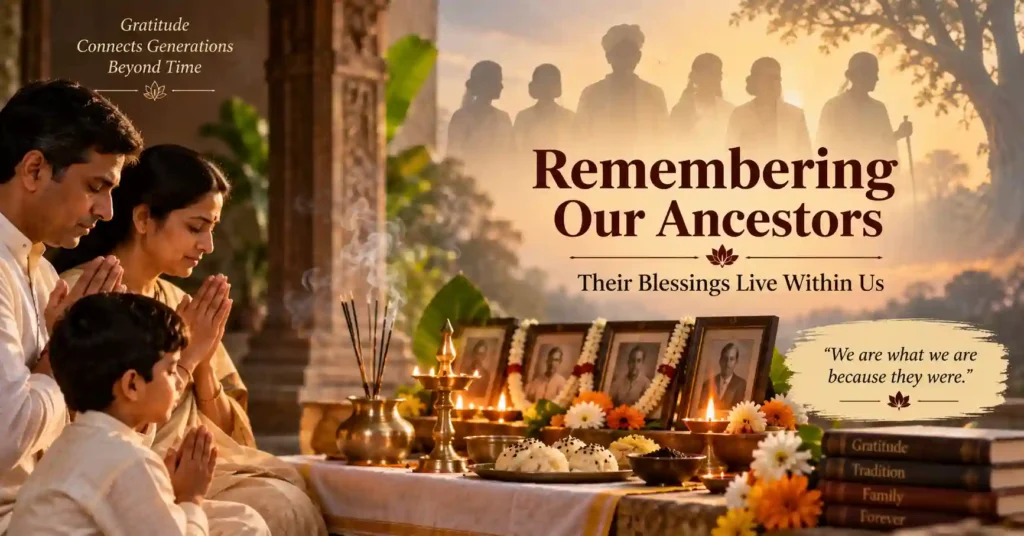
Every family carries the blessings, values, and sacrifices of those who came before them. In Sanatan Dharma, remembering ancestors is not merely a tradition. It is an expression of gratitude, respect, and spiritual responsibility.
Among all the days dedicated to ancestor worship, Sarva Pitru Amavasya holds a special place. It is the concluding day of Pitru Paksha, the sacred fortnight devoted to honoring departed souls through Shraddha, Tarpan, and charitable acts. This day is observed by millions of devotees who pray for the peace and well-being of their ancestors and seek their blessings for the family.
Many people observe Sarva Pitru Amavasya even if they are unable to perform Shraddha on the specific death anniversary of an ancestor. According to traditional belief, offerings made on this day reach all ancestors, including those whose death tithi is unknown or whose annual rites were missed.
The observance reminds us that our lives are connected to generations of forefathers and foremothers whose efforts shaped our present. Through prayers, remembrance, and acts of charity, Sarva Pitru Amavasya becomes a day of gratitude, reflection, and spiritual connection.
Sarva Pitru Amavasya at a Glance
| Aspect | Details |
|---|---|
| Festival Name | Sarva Pitru Amavasya |
| Other Names | Mahalaya Amavasya, Sarvapitri Amavasya, Pitru Visarjani Amavasya |
| Observed During | Pitru Paksha |
| Dedicated To | All Ancestors (Pitru) |
| Main Rituals | Shraddha, Tarpan, Pind Daan, Charity |
| Spiritual Purpose | Honoring and remembering ancestors |
| Significance | Final and most important day of Pitru Paksha |
| Who Can Observe | Anyone wishing to offer prayers for departed ancestors |
Table of Contents
ToggleWhat Is Sarva Pitru Amavasya?
Sarva Pitru Amavasya is the final day of Pitru Paksha, the annual period dedicated to ancestor remembrance in Hindu tradition. It falls on the Amavasya (new moon) that concludes the fortnight of Shraddha observances.
The word Sarva means “all,” while Pitru refers to ancestors or forefathers. Together, the name signifies a day dedicated to remembering all departed ancestors, regardless of their individual death dates.
Throughout Pitru Paksha, families generally perform Shraddha on the lunar date associated with a particular ancestor’s passing. However, if that date is unknown or if the ritual could not be performed earlier, this Amavasya serves as a universal day for ancestral offerings.
For this reason, it is often regarded as the most widely observed and spiritually significant day of the entire Pitru Paksha period.
Meaning of the Term "Sarva Pitru Amavasya"
The name itself carries deep spiritual meaning.
- Sarva means all or every.
- Pitru refers to ancestors, forefathers, or departed family members.
- Amavasya means the new moon day.
Thus, the term can be understood as:
“The sacred new moon day dedicated to all ancestors.”
Unlike individual Shraddha dates that focus on a particular family member, this observance embraces the entire ancestral lineage. It includes known ancestors, forgotten ancestors, and even those whose names or death dates may no longer be remembered.
In many traditions, the day is also known as Mahalaya Amavasya. It marks the conclusion of Pitru Paksha and serves as a spiritual bridge between ancestor remembrance and the beginning of the festive season associated with Devi worship and Navratri.
For devotees, the deeper message is simple yet profound: while generations may pass, gratitude toward one’s ancestors should never fade.
Why Is Sarva Pitru Amavasya Celebrated?
In Sanatan Dharma, gratitude toward parents, elders, teachers, and ancestors is considered a sacred duty. Sarva Pitru Amavasya is celebrated to honor departed family members and express thanks for the blessings, values, and legacy they have passed down through generations.
This sacred day is especially important for remembering ancestors whose death anniversary is unknown or whose annual Shraddha could not be performed during Pitru Paksha. Through Tarpan, Shraddha, prayers, and charitable acts, devotees seek peace for departed souls and blessings for the family.
According to Hindu tradition, ancestors continue to hold a spiritual connection with their descendants. Remembering them is believed to strengthen family bonds, preserve traditions, and inspire gratitude for the sacrifices made by earlier generations.
More than a ritual observance, Sarva Pitru Amavasya reminds us of our roots and the unbroken link between past, present, and future. By honoring our ancestors with sincerity and respect, we keep their memory alive and express gratitude for their lasting influence on our lives.
Connection Between Pitru Paksha and Sarva Pitru Amavasya
Pitru Paksha is a sacred sixteen-lunar-day period dedicated to remembering and honoring ancestors through Shraddha, Tarpan, and other ancestral rites. During this time, families offer prayers and food offerings on the specific tithi associated with the passing of their departed relatives.
Sarva Pitru Amavasya marks the final day of Pitru Paksha and is considered the culmination of all ancestor-related observances. It serves as a universal day for offering respect and prayers to all ancestors, regardless of their individual death dates.
Many devotees who are unable to perform Shraddha on a particular tithi choose to observe rituals on this day. For this reason, Sarva Pitru Amavasya is often regarded as the most widely observed day of the entire Pitru Paksha period.
The relationship between Pitru Paksha and this Amavasya reflects an important teaching of Sanatan Dharma: remembering one’s ancestors is not limited to a single ritual but is an ongoing expression of gratitude, respect, and family responsibility across generations.
Why This Day Is Also Called Mahalaya Amavasya?
Sarva Pitru Amavasya is also widely known as Mahalaya Amavasya in many parts of India. The term Mahalaya is often interpreted as “the great abode” or “the grand occasion,” reflecting the spiritual importance of this day in the Hindu calendar.
The day marks the conclusion of Pitru Paksha, the fortnight dedicated to ancestor remembrance. With the completion of Shraddha and Tarpan rituals, devotees offer their final prayers to departed ancestors before the ancestral observance period comes to an end.
Mahalaya Amavasya also holds special significance because it serves as a transition between Pitru Paksha and the festive season that follows. In many traditions, it is seen as the spiritual bridge leading to Sharadiya Navratri and the worship of Goddess Durga.
Although the names differ by region, both Mahalaya Amavasya and Sarva Pitru Amavasya refer to the same sacred occasion. The day reminds devotees to complete their duties toward ancestors before turning their focus toward upcoming festivals and spiritual celebrations.
Who Is Remembered on Sarva Pitru Amavasya?
Sarva Pitru Amavasya is dedicated to remembering all departed ancestors, including parents, grandparents, great-grandparents, and other family members who have passed away. Devotees offer prayers with gratitude for the guidance, sacrifices, and values received through their family lineage.
This day is especially important for ancestors whose death tithi is unknown, forgotten, or not recorded. It also provides an opportunity to pray for relatives whose annual Shraddha could not be performed during Pitru Paksha for any reason.
Many traditions believe that prayers offered on this sacred Amavasya reach the entire ancestral lineage, including known and unknown ancestors. As a result, families often perform Tarpan and Shraddha with the intention of honoring all departed souls connected to their family.
The observance reflects the belief that every generation is linked to those who came before it. By remembering ancestors with respect and gratitude, devotees strengthen their connection to family heritage and uphold an important aspect of Sanatan Dharma.
Importance of Sarva Pitru Shraddha
Sarva Pitru Shraddha is considered one of the most important observances during Pitru Paksha. It provides an opportunity to express gratitude toward departed ancestors through prayers, offerings, and acts of remembrance. In Sanatan Dharma, such observances are seen as a way of honoring the family lineage and fulfilling one’s duty toward previous generations.
The significance of this Shraddha is especially great for families who do not know the exact death tithi of an ancestor or were unable to perform the ritual on the appropriate date. By observing Shraddha on this day, devotees can collectively remember and pray for all departed family members.
Traditional beliefs hold that sincere offerings made during Sarva Pitru Shraddha help convey respect, gratitude, and good wishes to ancestors. The ritual is not merely about following customs but about acknowledging the contributions and sacrifices of those who shaped our lives.
Beyond the ritual itself, Sarva Pitru Shraddha encourages reflection on family values, traditions, and responsibilities. It reminds devotees that remembering ancestors is an important part of preserving cultural heritage and maintaining a spiritual connection across generations.
Sarva Pitru Amavasya Rituals
The observance of Sarva Pitru Amavasya centers on remembering ancestors with devotion, gratitude, and sincerity. While customs may vary across regions and families, the purpose remains the same: offering prayers for the peace of departed souls and seeking their blessings.
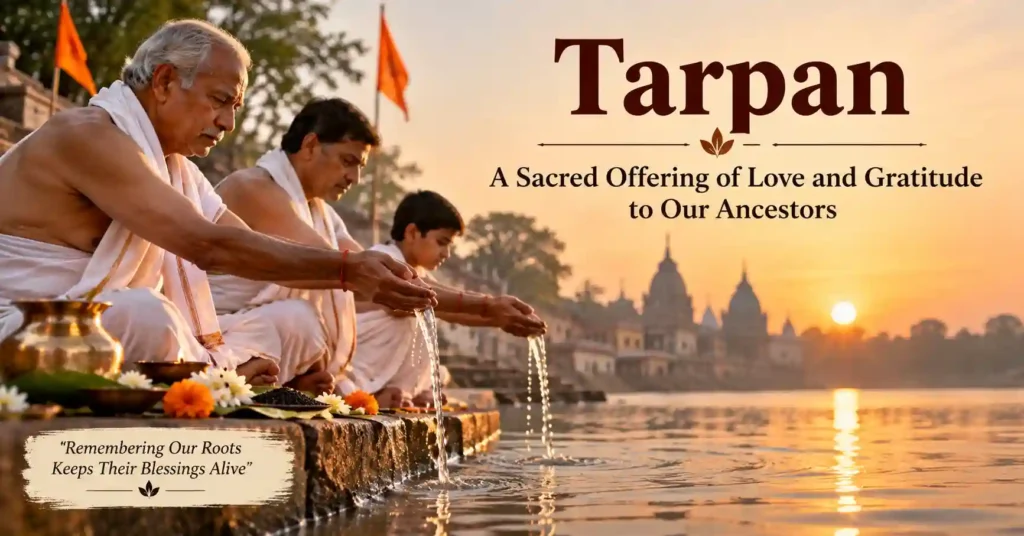
One of the most common rituals is Tarpan, where water mixed with black sesame seeds is offered while remembering ancestors. Devotees usually perform this ritual near a river, pond, or at home with proper prayers. Tarpan symbolizes respect, gratitude, and remembrance.
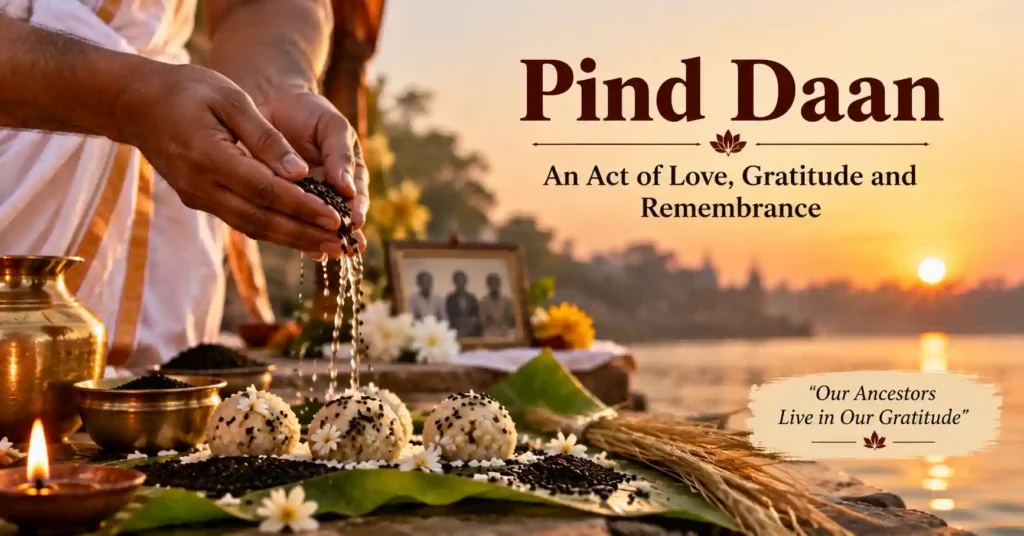
Another important practice is Shraddha, which involves offering food and prayers in memory of departed family members. Some families also perform Pind Daan, where rice balls are offered as a symbolic act of honoring ancestors. These rituals are often performed according to family traditions and local customs.
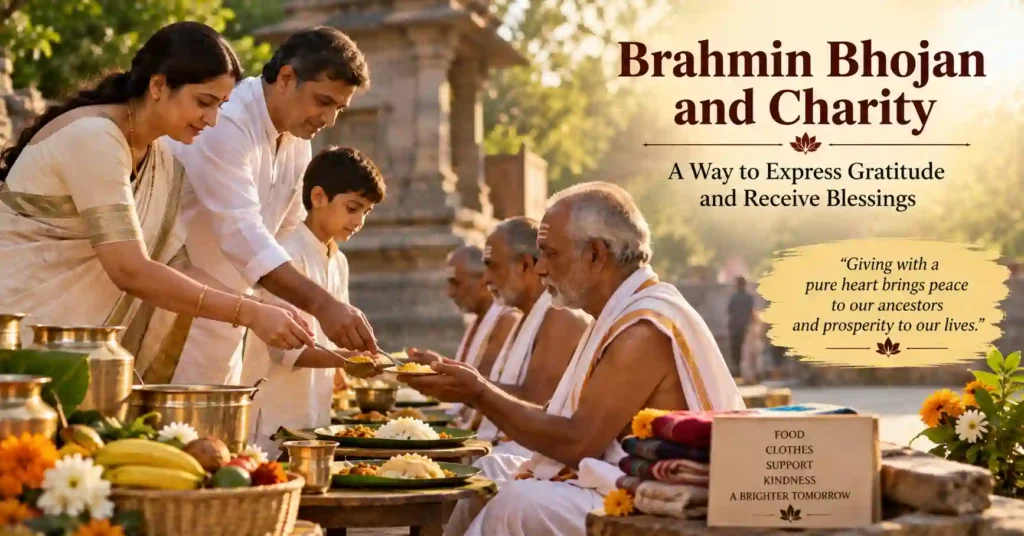
Many devotees conclude the day by performing acts of charity. Donating food, clothes, or essential items to the needy and offering meals to Brahmins are common practices. Such acts are viewed as expressions of compassion and gratitude, reflecting the spirit of Sarva Pitru Amavasya beyond ritual observance.
How to Observe Sarva Pitru Amavasya at Home: Step-by-Step Guide
Devotees may observe Sarva Pitru Amavasya according to family traditions and local customs. While specific rituals can vary, the following steps provide a simple and commonly followed approach for ancestor remembrance at home.
Step 1: Take a Morning Bath and Wear Clean Clothes
Begin the day with a bath and wear clean, modest clothing. Many devotees prefer light-colored or traditional attire while performing ancestral prayers.
Step 2: Remember Your Ancestors with Reverence
Sit in a clean and peaceful place. Offer prayers while mentally remembering departed parents, grandparents, and other ancestors. Some families keep photographs nearby, while others simply pray with folded hands.
Step 3: Perform Tarpan
Offer water mixed with black sesame seeds while remembering your ancestors. Tarpan may be performed at home, near a water body, or according to family tradition.
Step 4: Offer Shraddha or Food Offerings
Prepare simple food and offer it with prayers for the peace and well-being of departed souls. The method may vary according to family customs.
Step 5: Perform Pind Daan (If Traditionally Observed)
Some families offer rice balls known as Pindas as part of ancestral rites. This practice is more common in certain traditions and pilgrimage centers.
Step 6: Donate Food or Help Those in Need
Acts of charity are considered highly meaningful on this day. Donating food, clothes, grains, or other essentials is a common way to honor ancestors through service.
Step 7: Conclude with Gratitude and Prayer
End the observance by offering heartfelt prayers and expressing gratitude for the blessings, guidance, and legacy of your ancestors.
The essence of Sarva Pitru Amavasya is not ritual complexity but sincere remembrance, gratitude, and respect for those who came before us.
What If You Do Not Know an Ancestor's Death Tithi?
One of the main reasons Sarva Pitru Amavasya is considered so important is that it provides an opportunity to honor ancestors whose exact death tithi is unknown. Over time, many families lose records of ancestral dates, making it difficult to perform Shraddha on the traditional anniversary.
Sanatan Dharma recognizes this situation and offers a practical solution through this sacred Amavasya. Devotees can perform Tarpan, Shraddha, prayers, and charitable acts on this day with the intention of remembering all departed ancestors, whether their names and dates are known or not.
The observance is also beneficial for those who were unable to perform Shraddha earlier during Pitru Paksha due to travel, illness, personal circumstances, or other unavoidable reasons. By offering prayers on this day, families can still participate in the spirit of ancestor remembrance.
More than anything, the tradition emphasizes sincerity rather than perfect record-keeping. The message of Sarva Pitru Amavasya is that gratitude and remembrance should never be limited by the loss of dates, documents, or family records. A heartfelt prayer offered with devotion remains a meaningful way to honor one’s ancestors.
Can Women Perform Sarva Pitru Amavasya Rituals?
A common question during Pitru Paksha is whether women can participate in ancestor-related rituals. Traditions vary across regions and families, but many Hindu communities allow women to offer prayers, perform Tarpan, and take part in remembrance ceremonies, especially when no male family member is available.
The essence of ancestor worship lies in gratitude, devotion, and sincere remembrance. Many spiritual teachers and scholars emphasize that these values are not limited by gender. What matters most is the intention behind the offering and the respect shown toward departed ancestors.
In modern times, it is increasingly common for daughters, widows, or other female family members to perform ancestral rites when circumstances require. Some families also participate together in prayers, charitable acts, and memorial observances during Pitru Paksha.
Since customs differ among traditions, devotees may choose to follow the guidance of their family elders, local priests, or community practices. Regardless of the specific method followed, the central purpose of Sarva Pitru Amavasya remains the same: honoring ancestors with faith, gratitude, and respect.
Spiritual Benefits of Observing Sarva Pitru Amavasya
Observing Sarva Pitru Amavasya is considered a meaningful way to express gratitude toward ancestors and remember the role they played in shaping our lives. The day encourages devotees to pause, reflect, and acknowledge the blessings received through their family lineage.
Many Hindu traditions believe that prayers, Tarpan, and Shraddha offered on this day help strengthen the spiritual bond between descendants and their ancestors. While the rituals are symbolic, they serve as a reminder of the respect and responsibility one owes to previous generations.
The observance also promotes values such as humility, compassion, and gratitude. Acts of charity, food donation, and helping those in need encourage devotees to transform remembrance into positive action, benefiting both society and personal spiritual growth.
Beyond ritual practices, Sarva Pitru Amavasya offers an opportunity for inner reflection. By honoring the past with gratitude, devotees can cultivate a deeper appreciation for family, tradition, and the timeless wisdom passed down through generations.
Common Mistakes to Avoid
While observing Sarva Pitru Amavasya, it is important to focus on the spirit of gratitude and remembrance rather than treating the day as a mere formality. The following are some common mistakes devotees should avoid:
- Performing rituals in haste without devotion or sincere remembrance of ancestors.
- Assuming that Shraddha or Tarpan is not possible if the exact death tithi of an ancestor is unknown.
- Focusing only on ritual details while overlooking the values of gratitude, respect, and family remembrance.
- Neglecting acts of charity and kindness, which are traditionally associated with the observance.
- Comparing one’s rituals with others instead of following family traditions and personal circumstances.
- Worrying excessively about performing every step perfectly rather than offering heartfelt prayers with sincerity.
The essence of Sarva Pitru Amavasya lies in honoring ancestors with faith, gratitude, and respect. A sincere observance, even when simple, is often considered more meaningful than a ritual performed without devotion.
Sarva Pitru Amavasya in Different Regions of India
While the purpose of Sarva Pitru Amavasya remains the same across India, the customs and traditions associated with the day vary from region to region. Families follow local practices while honoring their ancestors through prayers, offerings, and acts of charity.
North India: Devotees often perform Tarpan and Shraddha at sacred rivers such as the Ganga, Yamuna, and Narmada. Pilgrimage centers like Gaya, Prayagraj, Haridwar, and Varanasi attract large numbers of people who come to offer prayers for their departed ancestors.
Eastern India: Particularly in West Bengal, the day is widely known as Mahalaya Amavasya. It marks the end of Pitru Paksha and is traditionally associated with the beginning of preparations for Durga Puja and the arrival of Goddess Durga.
South India: Families commonly perform ancestral rites at temples, riverbanks, or at home according to local customs. Tarpan and Shraddha remain important parts of the observance.
Western India: Many devotees visit sacred water bodies, perform charity, and offer prayers for departed ancestors. Regional customs may differ, but the spirit of remembrance and gratitude remains the same.
Despite these regional variations, the central message of Sarva Pitru Amavasya remains unchanged: honoring ancestors with gratitude, respect, and devotion.
Scriptural References Related to Ancestor Worship
The practice of honoring ancestors has deep roots in Hindu tradition and is mentioned in several scriptures. Ancient texts describe gratitude toward ancestors as an important aspect of dharma and emphasize the responsibility of remembering those who came before us.
The concept of Pitru Yajna, one of the five daily duties (Pancha Maha Yajnas) described in Hindu tradition, highlights the importance of showing respect to ancestors. Through prayers, offerings, and remembrance, devotees acknowledge the contributions of previous generations and maintain a connection with their family lineage.
References to Shraddha, Tarpan, and ancestral offerings can be found in texts such as the Garuda Purana, Manusmriti, Mahabharata, and various Dharma Shastras. These texts describe the spiritual value of honoring ancestors and preserving family traditions through acts of gratitude and remembrance.
While practices may vary across regions and traditions, the underlying message remains consistent: remembering ancestors with sincerity, respect, and gratitude is considered a meaningful part of spiritual life. This timeless teaching continues to inspire the observance of Sarva Pitru Amavasya and other ancestor-related traditions today.

Relevance of Sarva Pitru Amavasya in Modern Life
In today’s fast-paced world, many people live far from their ancestral homes and traditional family structures. Yet the values behind Sarva Pitru Amavasya remain as relevant as ever. The observance encourages people to pause and remember the generations whose sacrifices, guidance, and hard work helped shape their lives.
The day also serves as a reminder of the importance of family roots and cultural heritage. By remembering ancestors, younger generations gain a deeper appreciation for family traditions, values, and stories that might otherwise be forgotten over time.
Beyond religious observance, Sarva Pitru Amavasya promotes universal values such as gratitude, respect, humility, and compassion. Acts of charity and service performed on this day encourage people to transform remembrance into positive action that benefits others.
In a world that often focuses on the future, this sacred observance reminds us not to lose sight of the past. Honoring ancestors helps create a sense of continuity, belonging, and connection between generations, making the tradition meaningful even in modern times.
Conclusion
Sarva Pitru Amavasya is one of the most significant days dedicated to honoring ancestors in Sanatan Dharma. Observed on the final day of Pitru Paksha, it provides an opportunity to remember departed family members with gratitude, prayers, and acts of charity.
Whether through Tarpan, Shraddha, Pind Daan, or simple heartfelt remembrance, the observance reflects the timeless value of respecting those who came before us. It also serves as a reminder that family traditions, blessings, and wisdom continue to influence future generations.
For those who do not know the exact death tithi of their ancestors or were unable to perform Shraddha earlier, Sarva Pitru Amavasya offers a meaningful occasion to honor all departed souls collectively. The day emphasizes that sincere remembrance matters more than ritual perfection.
Ultimately, this sacred Amavasya teaches a simple yet profound lesson: when we remember our ancestors with gratitude and respect, we strengthen our connection to our roots and keep their legacy alive in our hearts and actions.
Key Takeaways
- Sarva Pitru Amavasya is the final and most important day of Pitru Paksha.
- It is dedicated to honoring and remembering all departed ancestors.
- The day is also known as Mahalaya Amavasya in many parts of India.
- Tarpan, Shraddha, Pind Daan, charity, and prayers are among the main observances.
- It is especially significant for ancestors whose death tithi is unknown or whose Shraddha was missed.
- The observance emphasizes gratitude, respect, and remembrance rather than ritual perfection.
- Many devotees seek blessings for family well-being and pray for the peace of departed souls on this day.
- The tradition helps preserve family values, cultural heritage, and the connection between generations.
- Acts of charity and service are considered an important part of the observance.
- The message of Sarva Pitru Amavasya remains relevant today as a reminder to honor our roots and express gratitude to those who came before us.
Suggested Reading
If you found this guide on Sarva Pitru Amavasya helpful, you may also enjoy exploring these related topics. Together, these articles provide deeper insights into ancestor remembrance, Shraddha rituals, Pitru Paksha observances, karma, rebirth, liberation, and other important teachings of Sanatan Dharma. Exploring these subjects will help you better understand the spiritual principles that guide Hindu ancestral traditions and family duties.
What Is Pitru Paksha and Why Is It Observed? Meaning, Significance, Rituals, and Spiritual Importance
https://thesanatantales.com/what-is-pitru-paksha/
What Is Shraddha in Hinduism? Meaning, Rituals and Spiritual Significance
https://thesanatantales.com/shraddha-in-hinduism/
Tarpan: Meaning, Significance, Method, Spiritual Benefits, and Pitru Paksha Guide
https://thesanatantales.com/tarpan/
What Is Pind Daan? Meaning, Rituals, Purpose and Spiritual Significance
https://thesanatantales.com/pind-daan/
What Is Moksha? Meaning, Path to Liberation and Spiritual Truth
https://thesanatantales.com/what-is-moksha/
What Is Samsara? Meaning, Karma, and the Cycle of Rebirth
https://thesanatantales.com/what-is-samsara-rebirth-guide/
What Are the 16 Samskaras in Sanatan Dharma? Meaning, Names and Importance
https://thesanatantales.com/16-samskaras-in-sanatan-dharma/
Pinda (Riceball Offering) – Wikipedia
https://en.wikipedia.org/wiki/Pinda_(riceball)
FAQs
1. What is Sarva Pitru Amavasya?
Sarva Pitru Amavasya is the final day of Pitru Paksha, the sacred fortnight dedicated to honoring ancestors in Sanatan Dharma. It is considered a universal day for offering prayers, Tarpan, Shraddha, and acts of charity for all departed family members.
The observance is especially important for those who do not know the exact death tithi of their ancestors or were unable to perform Shraddha earlier during Pitru Paksha. It serves as a day of gratitude, remembrance, and spiritual connection with one’s ancestral lineage.
2. Is Sarva Pitru Amavasya the same as Mahalaya Amavasya?
Yes, in many parts of India, Sarva Pitru Amavasya is also known as Mahalaya Amavasya. Both names refer to the final Amavasya of Pitru Paksha and the concluding day of ancestor remembrance rituals.
The day is widely observed through Tarpan, Shraddha, prayers, and charitable activities. In regions such as West Bengal, Mahalaya also marks the transition from Pitru Paksha to the festive season associated with Goddess Durga and Navratri celebrations.
3. Why is Sarva Pitru Amavasya important?
Sarva Pitru Amavasya is important because it provides an opportunity to remember and honor all ancestors, including those whose death anniversaries are unknown or forgotten. It allows families to express gratitude for the blessings, values, and sacrifices passed down through generations.
The observance also reinforces the importance of family traditions, cultural heritage, and spiritual responsibility. For many devotees, it is one of the most meaningful days of the year for ancestor remembrance.
4. What rituals are performed on Sarva Pitru Amavasya?
The most common rituals include Tarpan, Shraddha, Pind Daan, ancestor prayers, and acts of charity. Devotees offer water, black sesame seeds, food, and prayers while remembering departed family members with respect and gratitude.
Many families also donate food, clothes, or essential items to those in need and arrange Brahmin Bhojan. While customs may differ across regions, the central purpose remains the same: honoring ancestors and praying for their peace and blessings.
5. What if I do not know my ancestor's death tithi?
One of the primary reasons Sarva Pitru Amavasya is observed is to honor ancestors whose exact death tithi is unknown. Families can perform Tarpan, Shraddha, and prayers on this day for all departed ancestors collectively.
The tradition recognizes that records and family histories may be lost over time. Therefore, this sacred Amavasya provides a meaningful opportunity to remember and pray for ancestors without needing a specific date or detailed information.
6. Can women perform rituals on Sarva Pitru Amavasya?
Practices vary among families and traditions, but many Hindu communities permit women to participate in prayers, Tarpan, and ancestor remembrance rituals. In modern times, daughters and other female family members often perform these observances, especially when circumstances require.
The deeper purpose of the day is gratitude and remembrance. Many spiritual teachers emphasize that sincerity, devotion, and respect toward ancestors are more important than gender when offering prayers and acts of remembrance.
7. Is Pind Daan necessary on Sarva Pitru Amavasya?
Pind Daan is an important ancestral ritual in many traditions, but it is not mandatory for every family observing Sarva Pitru Amavasya. Customs differ depending on regional practices, family traditions, and personal circumstances.
Many devotees observe the day through Tarpan, Shraddha, prayers, and charitable acts without performing Pind Daan. The essence of the observance lies in remembering ancestors with gratitude and sincerity rather than following a single ritual format.
8. Can Sarva Pitru Amavasya be observed at home?
Yes, many families observe Sarva Pitru Amavasya at home by offering prayers, performing Tarpan, remembering departed ancestors, and engaging in charitable activities. A peaceful and respectful environment is generally considered sufficient for sincere observance.
While some devotees prefer visiting temples, sacred rivers, or pilgrimage sites, the spiritual value of the observance comes from devotion and gratitude. Simple prayers offered with a sincere heart are regarded as meaningful expressions of remembrance.
9. What should be donated on Sarva Pitru Amavasya?
Acts of charity are considered an important part of Sarva Pitru Amavasya. Many devotees donate food, clothes, grains, fruits, or essential household items to the poor and needy as a way of honoring their ancestors.
The specific form of charity may vary according to personal capacity and local customs. The intention behind the donation is to express compassion, gratitude, and goodwill while performing a noble deed in memory of departed family members.
10. What is the spiritual message of Sarva Pitru Amavasya?
The spiritual message of Sarva Pitru Amavasya is gratitude toward those who came before us. The observance reminds us that our lives are shaped by the sacrifices, wisdom, and blessings of earlier generations.
By remembering ancestors with respect and sincerity, devotees strengthen their connection to family heritage and cultural traditions. The day teaches humility, gratitude, and the importance of honoring one’s roots while moving forward in life.
About the Author
Yateendra Chaturvedi is a spiritual writer, researcher, devotee, and the founder of The Sanatan Tales. With over 35 years of professional experience and a lifelong interest in Sanatan Dharma, he writes about Hindu deities, temples, scriptures, festivals, Mahavidyas, sacred stories, rituals, and living traditions that continue to guide and inspire devotees across India.
Drawing from traditional scriptures, regional beliefs, temple traditions, devotional literature, and historical sources, he aims to present authentic, well-researched, and easy-to-understand content for modern readers. His work focuses on preserving spiritual wisdom, explaining sacred traditions, and helping seekers develop a deeper understanding of India’s rich spiritual heritage.
Through The Sanatan Tales, Yateendra strives to make the timeless teachings of Sanatan Dharma simple, meaningful, and relevant for today’s generation while maintaining respect for traditional sources, regional practices, and diverse spiritual perspectives.
Learn More About Yateendra Chaturvedi →
https://thesanatantales.com/about-the-author/
References & Sources
This article is based on teachings, values, and practices associated with Sanatan Dharma, including insights drawn from Hindu scriptures, traditional spiritual knowledge, ancestral observances, Shraddha traditions, Pitru Paksha practices, and widely accepted philosophical teachings. It also reflects guidance preserved through family traditions, spiritual communities, temple customs, and the guru-disciple lineage that has helped transmit Sanatan wisdom across generations.
Note: Beliefs, interpretations, and rituals related to ancestor worship may vary across different traditions, sampradayas, regions, and individual family customs within Sanatan Dharma. The purpose of this article is not to promote any single viewpoint as the absolute truth, but to present commonly accepted spiritual perspectives in a simple, practical, and reader-friendly manner. Sanatan Dharma embraces diverse approaches to remembrance, devotion, charity, spiritual growth, and honoring one’s ancestors.
Explore More Topics from The Sanatan Tales