
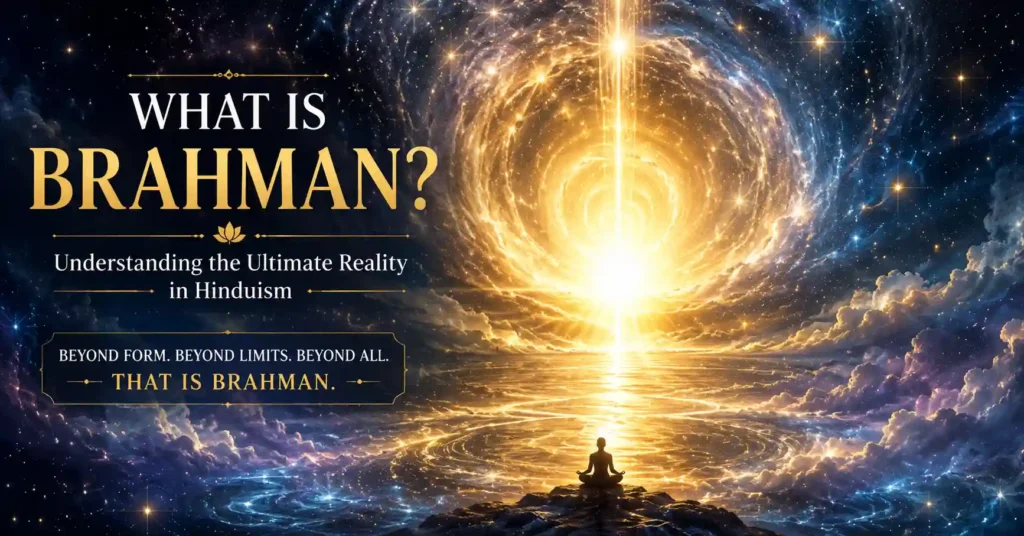
What Is Brahman? Meaning, Nature and Spiritual Significance in Hinduism
What is Brahman? This is one of the deepest and most important questions in Hinduism and Vedanta. The concept of
The Sanatan FAQs & Guides category answers common questions about Sanatan Dharma in a simple, clear, and authentic way. Explore easy-to-understand guides on Hindu beliefs, traditions, rituals, philosophy, scriptures, festivals, deities, and daily spiritual practices. Whether you are new to Sanatan Dharma or looking for reliable explanations of specific topics, each article is written to provide practical guidance rooted in traditional teachings while distinguishing between scriptural references, regional customs, and popular beliefs. This collection is designed to help readers gain a deeper understanding of Sanatan Dharma through trustworthy answers and well-researched guides.
What is Brahman? This is one of the deepest and most important questions in Hinduism and Vedanta. The concept of
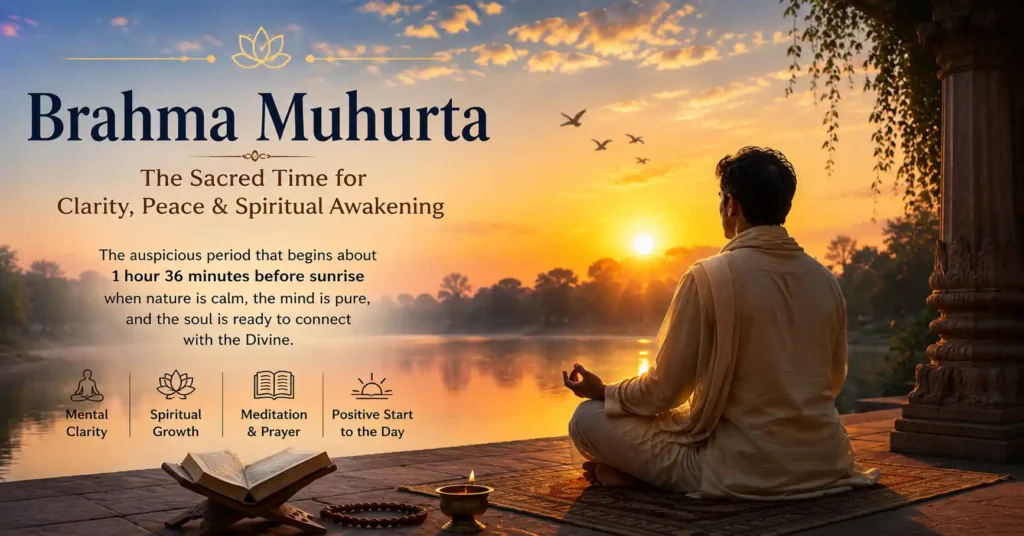
Brahma Muhurta is one of the most sacred and widely discussed concepts in Sanatan Dharma. It refers to the peaceful
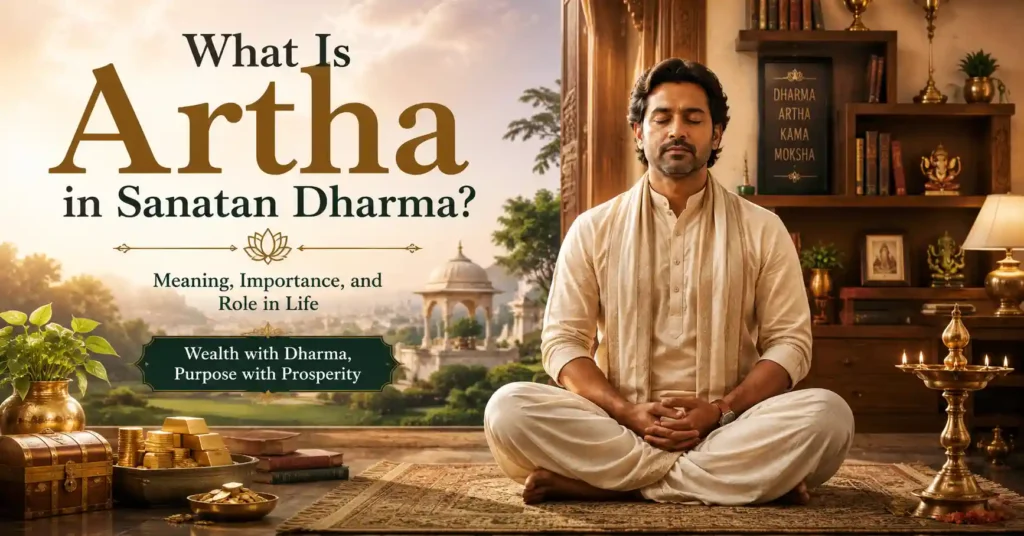
Artha in Sanatan Dharma is one of the most important yet often misunderstood concepts in Hindu philosophy. Many people associate
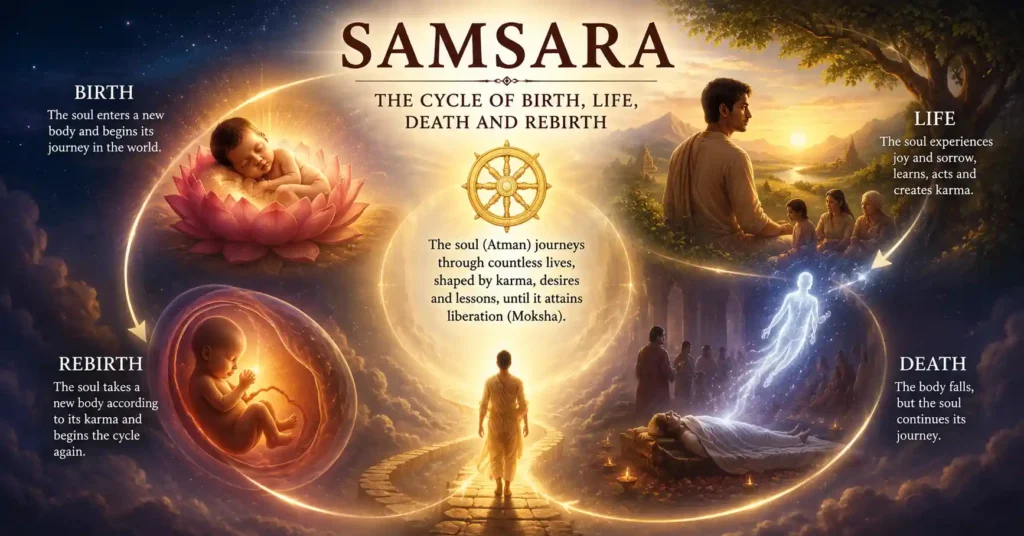
What is Samsara? This is one of the most important questions in Hindu philosophy because it helps explain the deeper
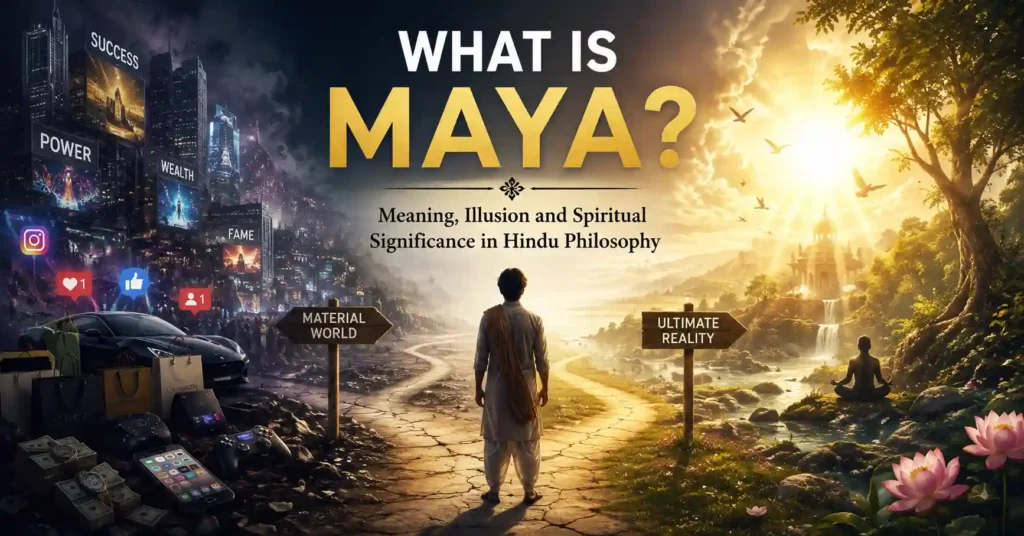
Maya is one of the most important concepts in Hindu philosophy. It helps explain why people often mistake the temporary
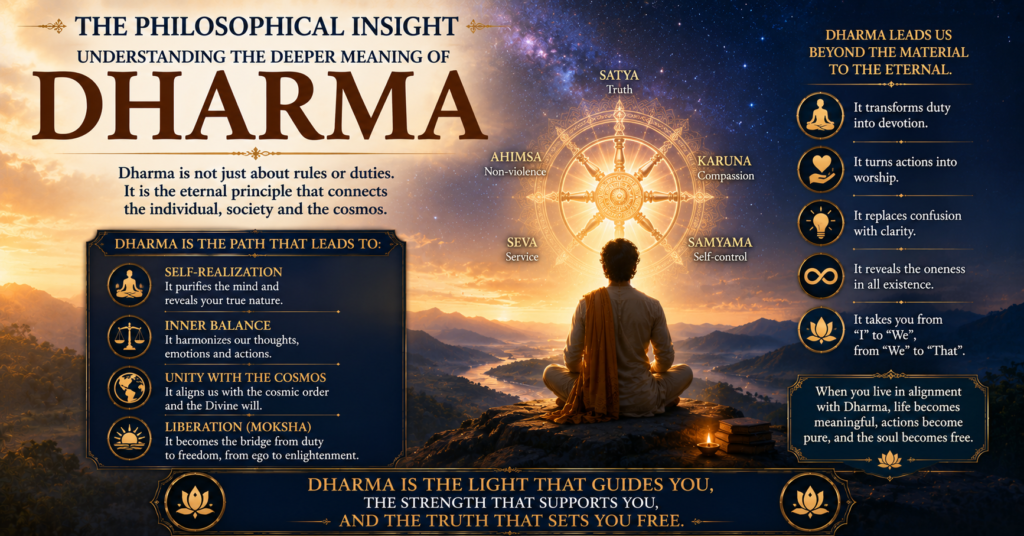
Dharma is one of the most important concepts in Sanatan Dharma, yet it is often misunderstood as simply religion, rules,
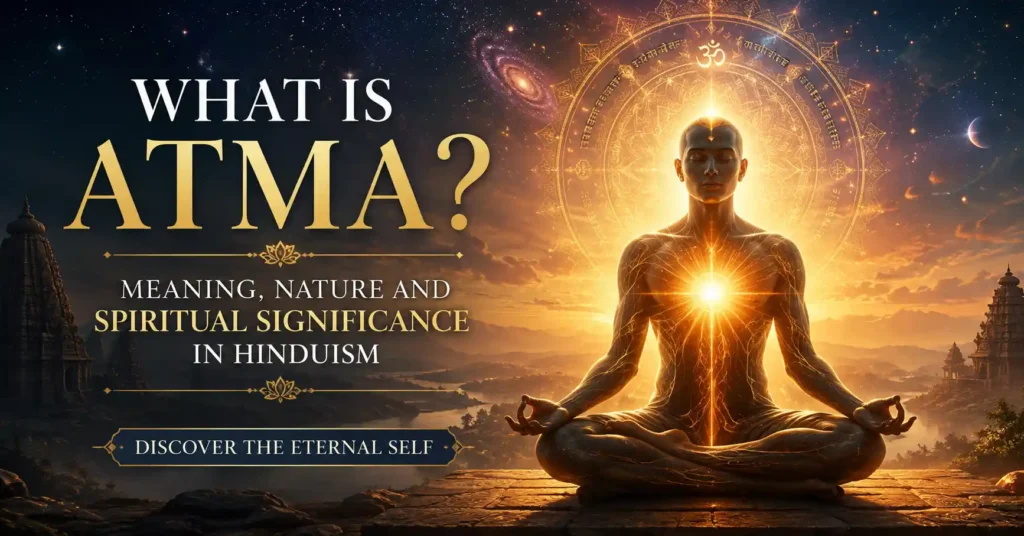
Atma is one of the most important concepts in Sanatan Dharma because it helps us understand our true identity beyond
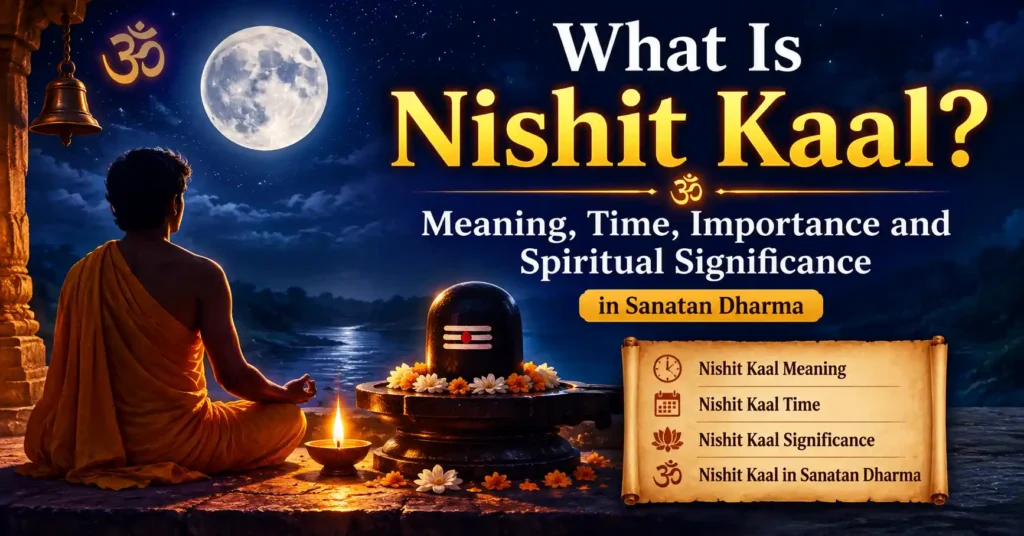
Nishit Kaal is one of the most sacred and spiritually significant periods of the night in Sanatan Dharma. Often described
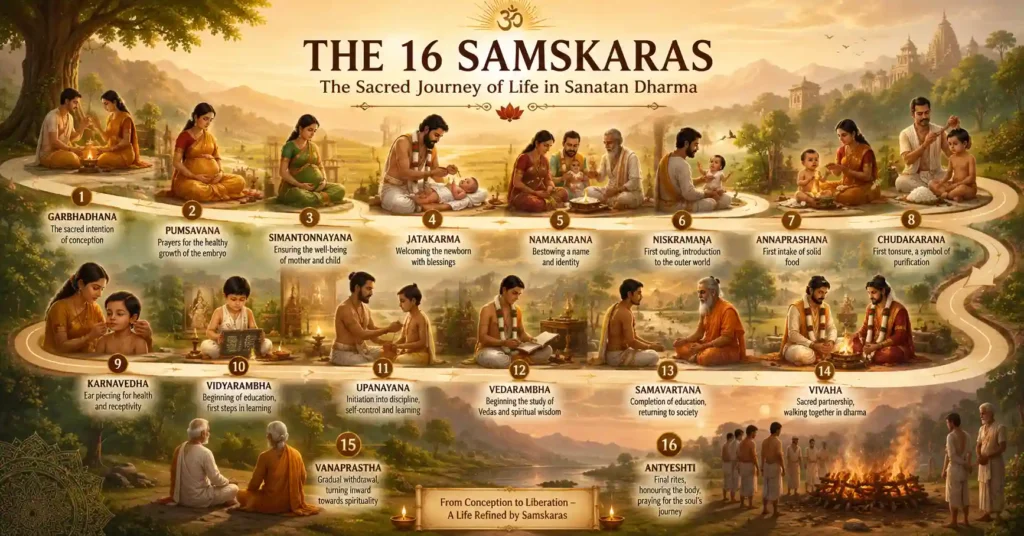
Human life is marked by many important transitions, from birth and education to marriage, retirement, and the final farewell. In

Karma is a concept almost everyone wonders about at some point in life. When something good happens, we often call