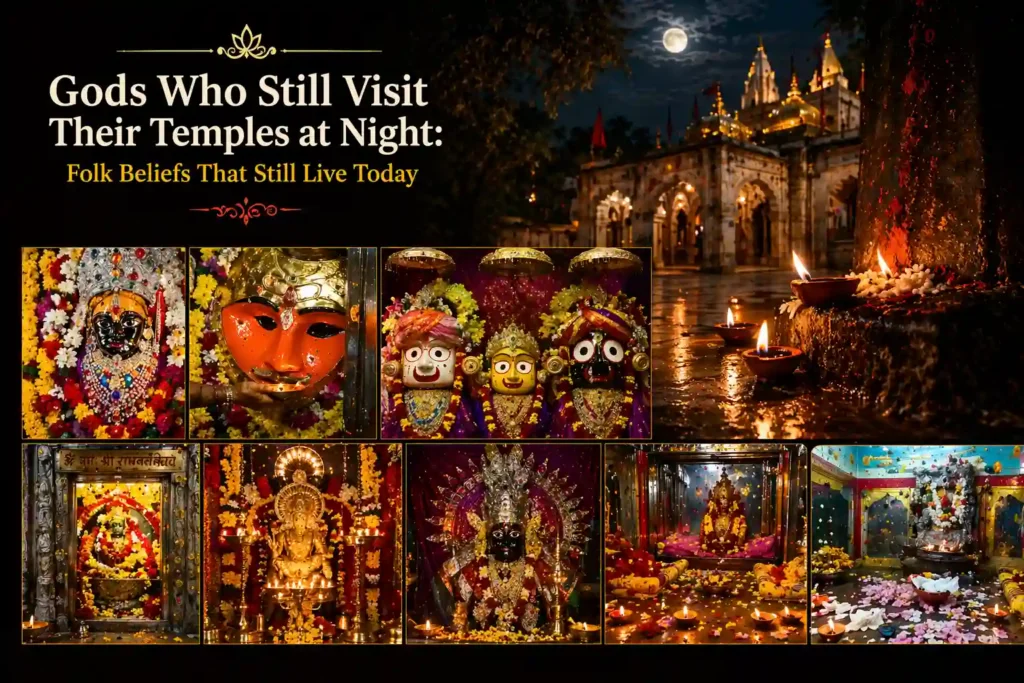
When a temple closes at night, something quietly changes. The sounds fade, the lamps grow softer, and the sacred space settles into silence. Yet many devotees believe the temple does not become empty.
Across India, stories and traditions suggest that Gods visit temples at night. Not in a way that can be seen or proven, but in a way that is felt, experienced, and passed down through generations.
Many devotees wonder whether Gods visit temples at night or whether these beliefs have survived simply through faith and tradition. The answer often depends on how one understands the relationship between the Divine and a sacred space.
In Sanatan Dharma, deities are not viewed merely as symbols. They are worshipped as living, aware, and present. This is why many temple traditions hold that divine presence continues even after the doors are closed and the devotees have left.
Table of Contents
ToggleUnderstanding These Temple Beliefs
The stories shared in this article are part of local traditions, temple beliefs, and devotional narratives that have been passed down through generations.
They are presented respectfully as living expressions of faith rather than as events that can be scientifically verified.
Different devotees, priests, scholars, and visitors may interpret these traditions in different ways. For some, they are signs of a living divine presence. For others, they are meaningful symbols that deepen devotion and spiritual connection.
What remains constant is the reverence with which these beliefs continue to be preserved within temple communities across India.
Are Deities Seen as a Living Presence in Sanatan Dharma?
In many Hindu traditions, a deity is not viewed merely as an idol. The deity is worshipped as a living presence within the temple.
The day begins with awakening the deity. Food is offered, clothes are changed, and prayers are performed throughout the day. At night, the deity is respectfully put to rest through special rituals.
These daily practices reflect a long-standing belief that the Divine remains present within the sacred space. For devotees, temple worship is not limited to rituals alone but is part of an ongoing relationship with the deity.
This understanding helps explain why many people find it natural to believe that divine presence continues within a temple even after the doors are closed for the night.
What Do Scriptures and Folk Traditions Say About Gods Visiting Temples at Night?
Scriptures teach that God is present everywhere, beyond time, space, and physical limitations. The Divine is not confined to a temple, an image, or a particular place.
However, the belief that Gods visit temples at night comes mainly from local traditions, temple customs, and devotional stories rather than direct scriptural statements. These beliefs have developed over generations through priestly practices, community experiences, and observations that became part of a temple’s living tradition.
Different temples preserve these stories in different ways. Some speak of subtle changes noticed in the morning, while others simply emphasize the continued presence of the deity after the temple doors are closed.
These beliefs are not imposed as doctrine or proof. They are traditions that continue because devotees find meaning, comfort, and spiritual connection in them.
How Does Sanatan Dharma Understand Divine Presence?
Sanatan Dharma teaches that the Divine is present everywhere and is not limited by time, place, or physical form. Scriptures such as the Bhagavad Gita, Upanishads, and Agama traditions describe God as both transcendent and present within sacred spaces.
Temple worship reflects this understanding through daily rituals that treat the deity as a living presence. The deity is awakened in the morning, offered food and worship throughout the day, and respectfully put to rest at night.
This spiritual framework helps explain why many devotees feel that divine presence continues within the temple even after the doors are closed. While local beliefs may differ from place to place, the underlying idea remains rooted in a living relationship between the devotee and the Divine.
How Did These Temple Traditions Develop?
Many beliefs about divine presence at night developed gradually through centuries of temple worship. As temple traditions became established, devotees began treating the deity not as a symbol but as a living presence who received daily care and attention.
Over time, stories, experiences, and local observations became woven into temple culture. Some traditions were preserved through priests and temple communities, while others spread through oral storytelling and devotional literature.
This process helped create the rich network of local beliefs that still survives in many temples today.
Did You Know?
Many Hindu temples follow daily routines that treat the deity as a living presence. Rituals such as awakening the deity in the morning, offering meals during the day, and putting the deity to rest at night reflect a tradition that has been preserved for centuries.
How Does Temple Life Continue After the Doors Close?
Every temple follows a sacred daily rhythm.
The day begins with mangal aarti, when the deity is ceremonially awakened. Throughout the day, devotees come for darshan, prayers, and offerings. As evening arrives, the atmosphere gradually becomes quieter and more reflective.
At night, the deity is respectfully placed in a resting state through rituals known as shayan seva. The temple doors are then closed, marking the end of public worship for the day.
These practices reflect a long-standing belief that the deity remains present within the temple even when no devotees are present. This understanding forms the foundation of many Hindu temple night rituals and helps explain why stories about Gods visiting temples at night continue to live within temple traditions.
What Do Priests Sometimes Observe in the Morning?
In some temples, priests and caretakers share observations that have become part of local tradition.
These may include:
- Flower arrangements appearing slightly disturbed
- Offerings looking touched or moved
- Ritual objects not positioned exactly as they were left
- A strong feeling of spiritual presence reported by temple staff
These experiences are usually subtle rather than dramatic. Devotees may interpret them as signs of divine activity, while others view them as part of the temple’s long-standing devotional culture.
Which Temples Are Most Associated With These Night-Time Beliefs?
While every temple has its own traditions, some sacred places are especially known for stories, experiences, and devotional beliefs connected with divine presence during the night.
| Temple | Associated Deity | Local Night-Time Tradition |
|---|---|---|
| Omkareshwar Temple | Lord Shiva | Chopad game and offerings left overnight |
| Nidhivan | Radha-Krishna | Belief that Raas Leela continues after dark |
| Banke Bihari Temple | Lord Krishna | Living deity tradition |
| Maa Sharda Temple | Maa Sharda | Alha’s nightly worship tradition |
| Kaal Bhairav Temple | Kaal Bhairav | Guardian presence of Ujjain |
| Dakshineswar Kali Temple | Maa Kali | Deep spiritual presence after dark |
| Jwala Devi Temple | Jwala Mata | Eternal sacred flame |
| Jagannath Temple | Lord Jagannath | Living deity traditions and night rituals |
| Sabarimala Temple | Lord Ayyappa | Sacred silence and spiritual presence |
The traditions connected with these temples vary widely, but each reflects the belief that the relationship between the deity and the temple continues beyond public darshan hours.
These traditions are not all the same. Some focus on divine presence, some on sacred mysteries, and others on the belief that the deity continues to live and interact with the temple after it closes.
| Type of Belief | Example Temple |
|---|---|
| Divine Presence Felt | Dakshineswar Kali Temple |
| Night Worship Tradition | Maa Sharda Temple |
| Divine Play Tradition | Nidhivan |
| Guardian Deity Tradition | Kaal Bhairav Temple |
| Eternal Sacred Presence | Jwala Devi Temple |
| Living Deity Tradition | Jagannath Temple |
Which Temples Keep These Night-Time Traditions Alive Today?
To understand why people believe that Gods visit temples at night, we can look at some temples where such experiences are deeply shared.
Omkareshwar Temple
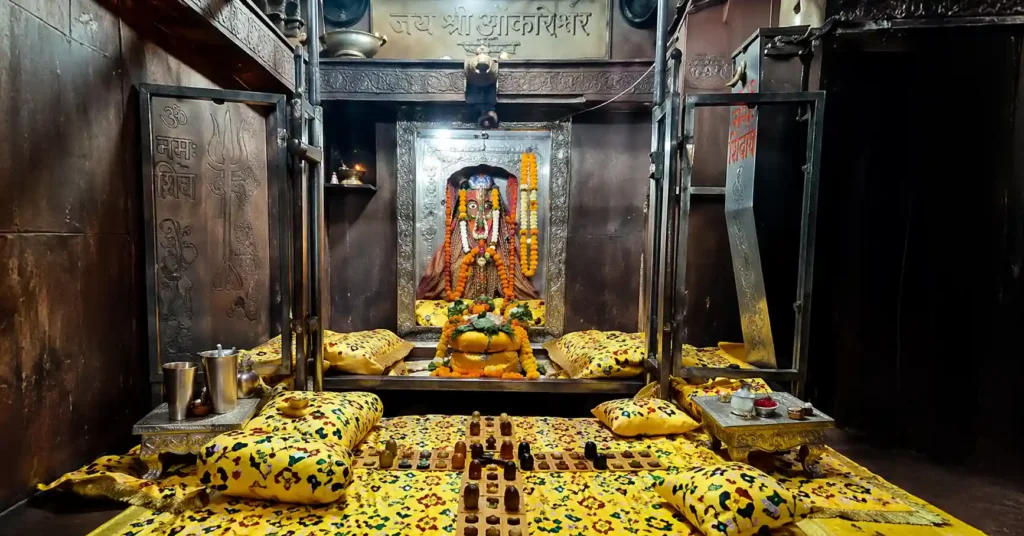
Omkareshwar is one of the twelve sacred Jyotirlingas of Lord Shiva and is located on an island in the Narmada River in Madhya Pradesh.
A unique tradition is associated with the temple. Every night, after the temple closes, a chopad (traditional board game) is arranged for Bhagwan Shiva and Maa Parvati. Along with it, paan and bhog are respectfully offered before the sanctum is closed for the night.
According to temple tradition, priests have occasionally reported that the arrangement appears different from how it was left the previous evening. Devotees regard such observations as signs of Shiva’s continuing presence, while others view them as part of the temple’s long-standing devotional heritage.
No one claims to witness Shiva and Parvati playing the game, nor is any attempt made to explain the tradition. For devotees, the significance lies not in proof but in faith. The belief reflects a deep sense of connection with a deity who is regarded as living, present, and actively involved in temple life.
For many visitors, Omkareshwar remains one of the most well-known temples associated with the belief that Gods visit temples at night.
Nidhivan
Nidhivan, located in Vrindavan, is one of the most mysterious and deeply revered places associated with Lord Krishna.
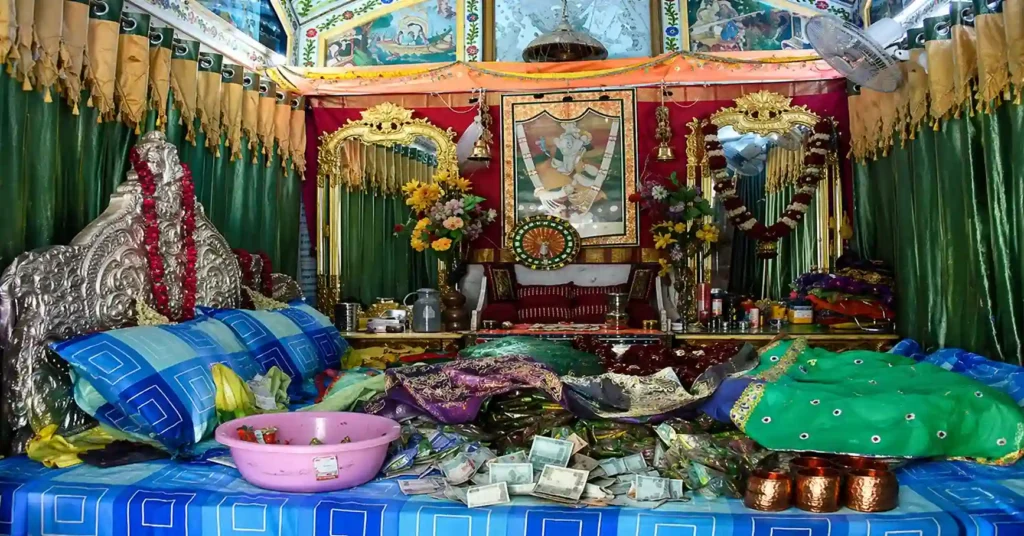
Every evening, before the area is closed, a small bed is prepared inside the Rang Mahal. Clothes, water, sweets, and other offerings are carefully arranged. After sunset, the entire area is locked, and local tradition holds that no one should remain inside.
According to local belief, the arrangement inside Rang Mahal sometimes appears different the following morning. Devotees interpret this as a sign of Radha and Krishna’s divine presence, while the tradition itself remains a matter of faith rather than verification.
Nidhivan is closely associated with the belief that Radha and Krishna continue to perform their divine Raas Leela here after dark. For this reason, visitors are not permitted to stay inside the sacred grove at night. The tradition is not viewed with fear but with deep love, devotion, and reverence.
Over the years, stories shared by devotees, priests, and local residents have strengthened Nidhivan’s reputation as one of Vrindavan’s most sacred places. Whether understood as faith, tradition, or mystery, it remains one of the most well-known locations associated with the belief that Gods visit temples at night.
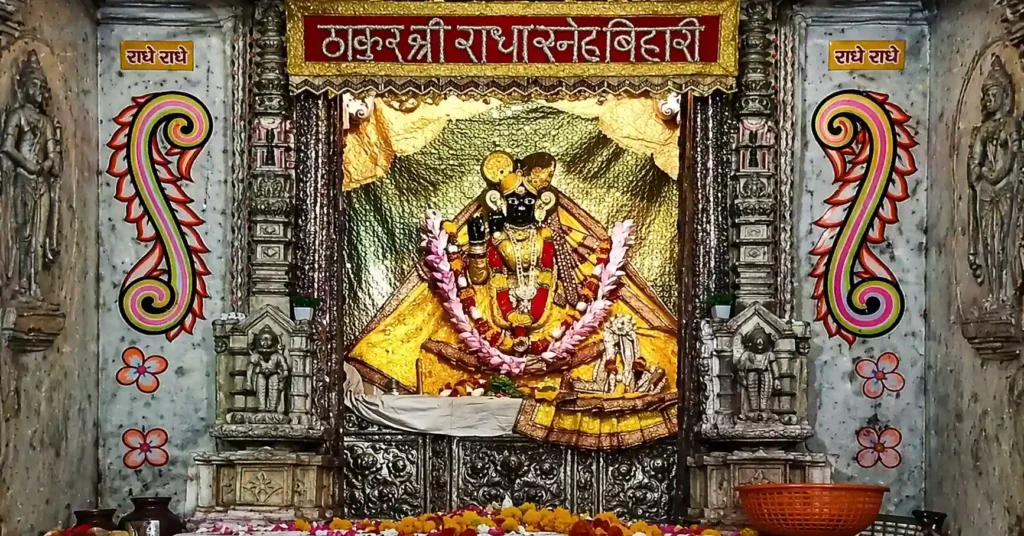
Banke Bihari Temple
This famous temple in Vrindavan is dedicated to Lord Krishna in his beloved Banke Bihari form.
Even during the day, darshan follows a unique tradition. The curtains before the deity are opened and closed repeatedly at short intervals. According to temple tradition, this practice reflects the belief that Krishna is a living presence who continues to interact with his devotees.
At night, Banke Bihari is lovingly put to rest, much like a child. The daily rituals are performed with the care and affection that devotees would offer to a family member.
Unlike some other temples, there are no widely known stories of objects changing or visible signs appearing overnight. Yet the temple’s traditions are built upon a simple and enduring belief: Krishna is not regarded as a distant symbol but as a living deity whose presence continues beyond the hours of public darshan.
Maa Sharda Temple
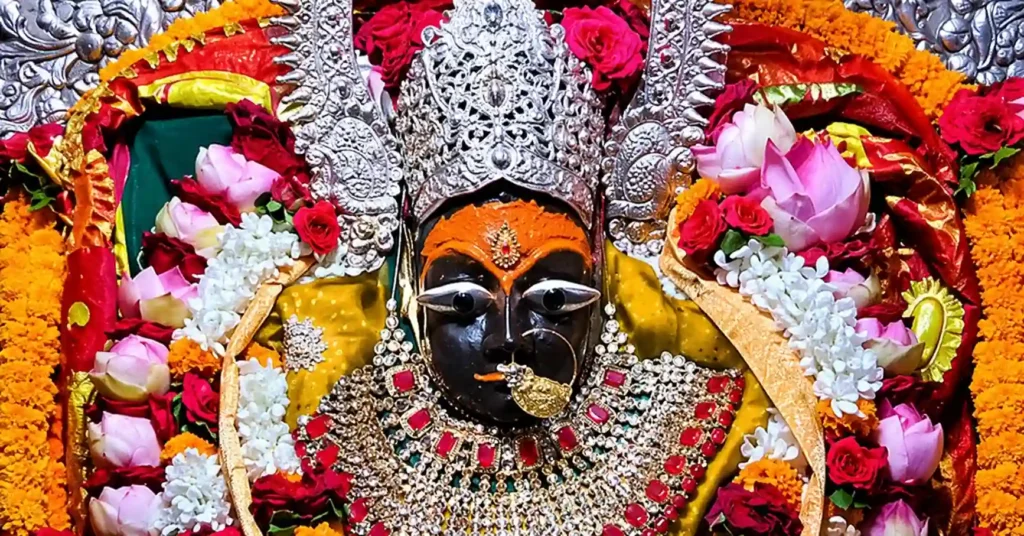
This temple is located on a hill in Maihar, Madhya Pradesh, and is dedicated to Maa Sharda, a revered form of the Divine Mother associated with wisdom and learning.
A long-standing local tradition is connected to this sacred place. It is believed that Alha, the legendary warrior and devoted worshipper of Maa Sharda, continues to visit the temple at night to offer his prayers. After the temple closes, the sanctum is left prepared with reverence and respect.
According to local belief, some devotees and temple caretakers feel that subtle signs of worship can occasionally be observed the following morning. These experiences are regarded as part of the temple’s living tradition and devotional heritage.
No attempt is made to prove these beliefs. They continue to be preserved and respected as an expression of faith that has been passed down through generations.
Kaal Bhairav Temple
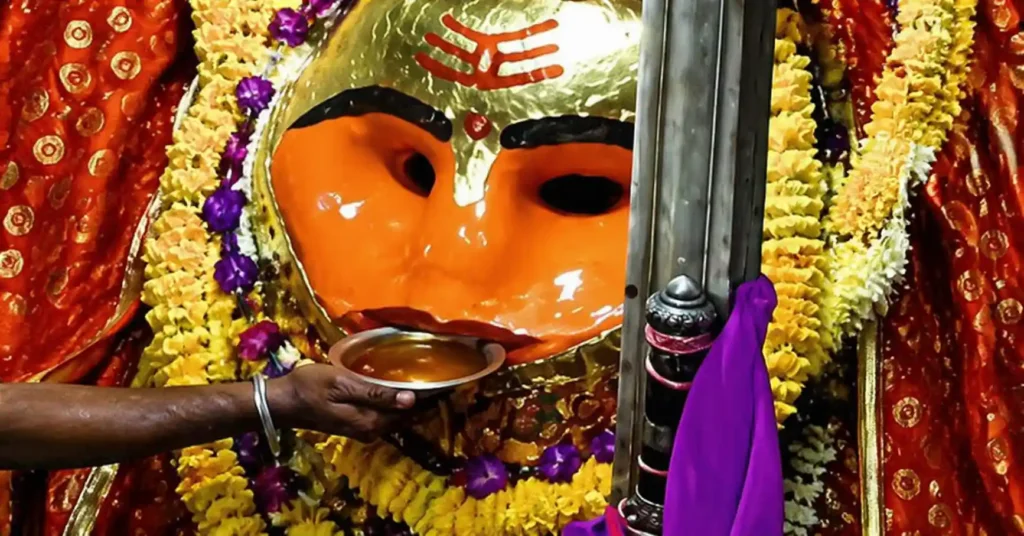
Located in the sacred city of Ujjain, this temple is dedicated to Kaal Bhairav, one of the most revered forms of Lord Shiva.
In local tradition, Bhairav is regarded as the guardian deity of Ujjain and the protector of its sacred spaces. Many devotees believe that his presence continues to watch over the city, especially during the quiet hours of the night.
Unlike some temples, there are no widely known stories of objects changing or visible signs appearing by morning. Instead, the belief is rooted in the enduring role of Bhairav as a vigilant guardian who remains spiritually present even after the temple doors are closed.
For devotees, this tradition reflects the idea that divine protection never truly rests and that Kaal Bhairav continues to safeguard the sacred city and its people.
Dakshineswar Kali Temple
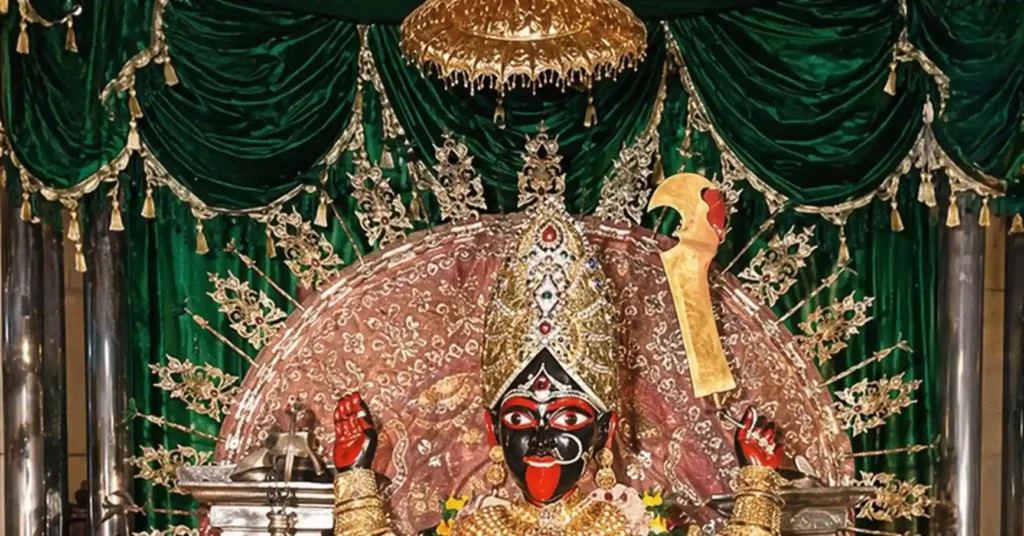
Located on the banks of the Hooghly River in Kolkata, Dakshineswar Kali Temple was founded by Rani Rashmoni and remains one of the most important centers of Kali worship in India.
The temple became widely known through the spiritual experiences of Sri Ramakrishna Paramahamsa, who worshipped Maa Kali here and spoke of her as a living and compassionate presence.
Maa Kali is worshipped in this temple as Bhavatarini, meaning “She who helps devotees cross the ocean of worldly existence.”
Unlike some temples associated with night-time traditions, there are no widely known stories of objects changing or visible signs appearing by morning. Instead, devotees often describe a deep sense of peace and spiritual intensity that seems especially noticeable after the crowds have left.
For many worshippers, the significance of Dakshineswar lies not in unusual events but in the feeling that the Divine Mother remains spiritually present, making it one of the places often associated with the belief that Gods visit temples at night.
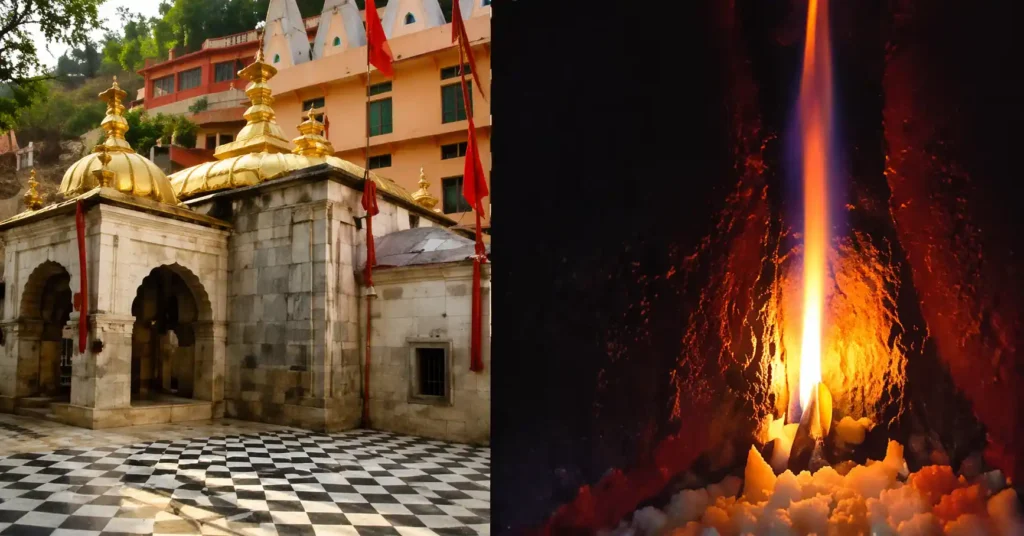
Jwala Devi Temple
Jwala Devi Temple in Himachal Pradesh is famous for its eternal flame, which is worshipped as a manifestation of the Divine Mother herself.
Unlike most temples, the focus here is not on an idol but on sacred flames that have been revered by devotees for centuries. These flames burn continuously and are regarded as a living symbol of the goddess’s presence.
At night, when the temple surroundings become quiet and still, the flame continues to burn just as it does during the day. For devotees, this uninterrupted flame serves as a reminder that the Divine Mother remains present at all times.
There are no stories of changing objects or unusual signs associated with the temple. Instead, faith is centered on the eternal flame itself, which many worshippers regard as a constant expression of divine presence.
Jagannath Temple
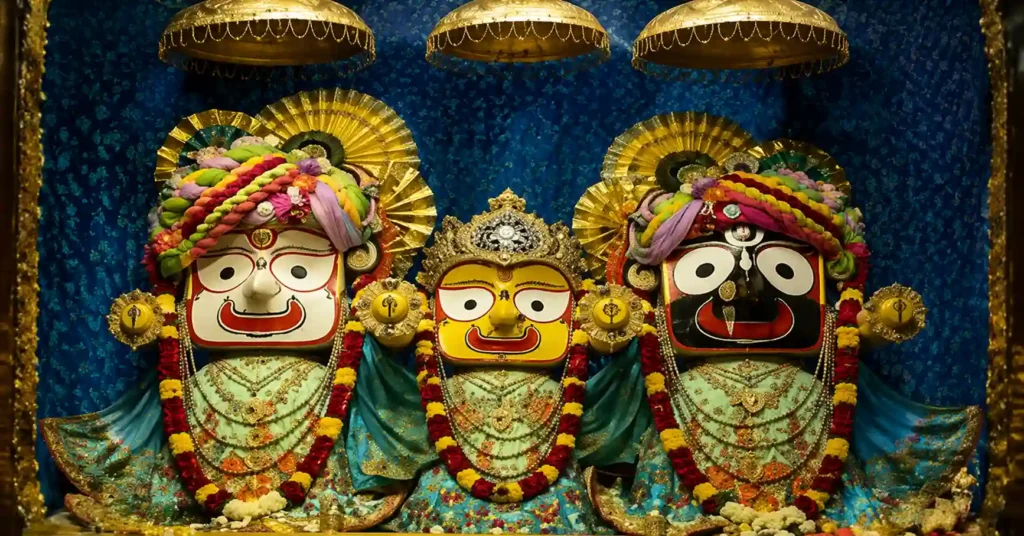
Jagannath Temple in Puri follows one of the most elaborate and carefully preserved daily worship traditions in India.
Lord Jagannath is treated not merely as an idol but as a living deity who receives food, clothing, rest, and personal care throughout the day. Every ritual reflects the belief that the Lord actively resides within the temple and participates in its daily life.
At night, special rituals are performed before the deity is respectfully put to rest. The temple’s traditions emphasize that worship does not end with the closing of the doors but continues through the sacred relationship between the deity and the devotees.
There are no widely known stories of objects changing or unusual signs appearing by morning. Instead, the belief is simple and enduring: Lord Jagannath remains present within the temple, living and resting beyond human sight, just as he is worshipped during the day.
Sabarimala Temple
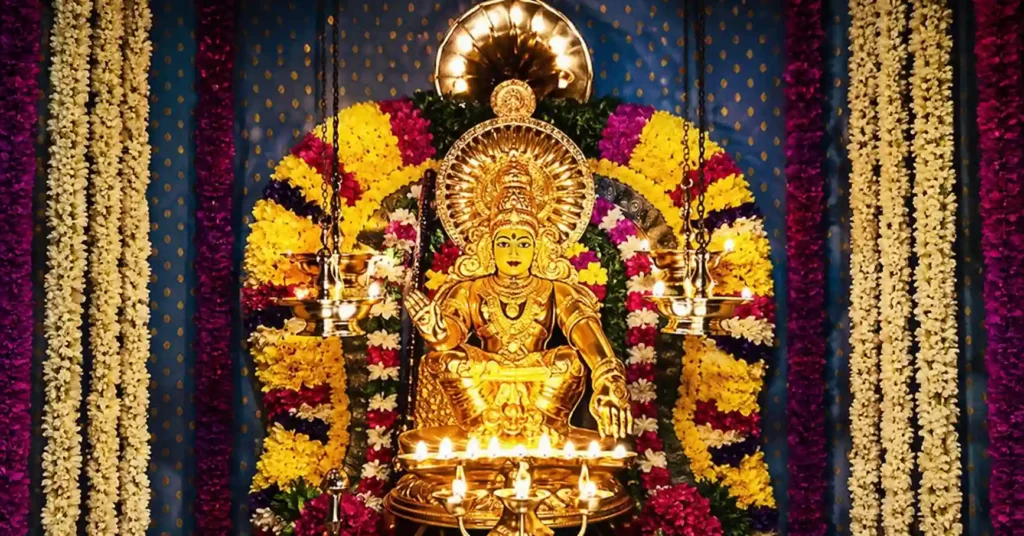
Located in the forests of Kerala, Sabarimala Temple is dedicated to Lord Ayyappa and is one of the most revered pilgrimage sites in India.
The journey to the temple is marked by discipline, simplicity, and spiritual preparation. Devotees traditionally observe a period of fasting, self-control, and prayer before undertaking the pilgrimage.
At night, the surrounding forests become quiet, and the atmosphere takes on a deep sense of stillness. Unlike some temples associated with stories of visible signs or unusual events, Sabarimala is known more for the spiritual experience it creates within devotees.
Many pilgrims describe feeling a profound sense of peace and divine presence in that silence. For them, the temple’s sacredness lies not in mystery but in the inner transformation that comes through devotion and discipline.
Mehandipur Balaji Temple
Located in Rajasthan, Mehandipur Balaji Temple is associated with Hanuman worship and long-standing traditions related to spiritual healing.
While the temple is not specifically known for stories of deities moving at night, many devotees believe the spiritual atmosphere becomes especially intense after evening rituals. The temple’s unique traditions have led to many stories that continue to be shared among pilgrims and visitors.
Like many sacred places in India, the power of these stories lies not in proof but in the devotion they inspire.
What Do These Stories Quietly Reveal About Faith?
The stories connected with these temples may differ, but they often share a common theme. Some traditions speak of subtle signs, while others focus on a feeling of peace, devotion, or spiritual presence.
What unites them is the belief that a temple remains more than a physical structure. For devotees, it is a sacred space where the relationship between the Divine and the devotee continues beyond the hours of public worship.
Why Does a Temple Feel Different at Night?
At night, everything slows down. The mind becomes quieter, and the surroundings grow still.
In that silence, a temple can feel very different from how it does during the day. Without crowds, noise, or activity, many devotees become more aware of the peace and sacred atmosphere that surrounds them.
For some, this deeper awareness creates a strong sense of spiritual connection. It may help explain why so many people feel that Gods visit temples at night, not through visible signs, but through an experience of devotion, silence, and inner reflection.
Why Do These Stories Continue Across Generations?
Many temple traditions survive because they are shared through families, priests, pilgrims, and local communities.
Children hear these stories from elders, visitors hear them from temple guides, and devotees pass them on as part of their spiritual experience.
Whether a person accepts these stories literally or symbolically, they often create a deeper sense of connection with the temple and its traditions. In this way, the stories become part of the living heritage of Sanatan Dharma.
Faith Is Not Something That Needs to Be Proven
These beliefs are not meant to be tested or proven. They belong to the world of faith, devotion, and personal spiritual experience.
Some devotees feel a deep connection to these traditions and see them as signs of a living relationship between the Divine and the temple. Others may view them as meaningful stories that help preserve faith and strengthen a sense of reverence for sacred spaces.
Sanatan Dharma allows room for both perspectives. What matters is not whether every person interprets these beliefs in the same way, but the devotion, respect, and spiritual reflection they inspire.
In that sense, both belief and respectful curiosity can be part of the same spiritual journey.
What Can Devotees Learn From These Traditions?
Whether one accepts these stories literally or symbolically, they encourage a deeper respect for sacred spaces.
They remind devotees to approach temples not merely as buildings, but as places where prayer, faith, and spiritual experience come together.
For many people, the greatest value of these traditions is not the mystery itself but the devotion it inspires.
Why Do These Traditions Continue to Inspire Devotees?
Whether understood as literal events, sacred mysteries, or expressions of devotion, these traditions continue to inspire millions of devotees across India.
For many people, the importance of these stories does not lie in proving what happened during the night. Instead, their value lies in strengthening faith, preserving temple culture, and reminding devotees that the Divine is not viewed as distant or inactive.
These beliefs continue to survive because they create a sense of personal connection between worshippers and the sacred spaces they visit.
A Gentle Closing Thought
Perhaps the deeper question is not whether Gods visit temples at night, but how we experience the Divine in moments of silence.
For many devotees, the sacred presence of a temple does not begin when the doors open or end when they close. It is believed to remain, quietly and constantly, beyond what can be seen.
In the stillness of the night, when distractions fade and the mind becomes calm, some people feel that presence more deeply. Whether understood as faith, devotion, or spiritual awareness, these traditions continue to remind us that the Divine may be closer than we often realize.
Suggested reading
If you enjoyed learning about the beliefs and traditions associated with Gods visiting temples at night, you may also enjoy exploring these related articles on sacred temples, living deity traditions, and devotional practices in Sanatan Dharma.
Kaal Bhairav: The Fierce Guardian of Time and Dharma
https://thesanatantales.com/kaal-bhairav/Jagannath Temple: History, Spiritual Significance and Complete Guide
https://thesanatantales.com/bhagwan-jagannath-story-nabakalebara/Jagannath Rath Yatra 2026: History, Significance and Celebration Guide
https://thesanatantales.com/jagannath-rath-yatra-2026/Maa Sharda Maihar: The Divine Shakti Peeth of Wisdom and Faith
https://thesanatantales.com/maa-sharda-maihar-temple/Salasar Balaji Temple: Story, Miracle, Darshan and Travel Guide
https://thesanatantales.com/salasar-balaji-temple/Saptapuri: The Seven Holy Cities in Sanatan Dharma
https://thesanatantales.com/saptapuri-seven-holy-cities/
Hindu deities (Wikipedia)
https://en.wikipedia.org/wiki/Hindu_deities
FAQs
Do Gods really visit temples at night?
Different devotees understand this belief in different ways. Many temple traditions hold that divine presence continues even after the temple doors are closed. Whether this is viewed as a literal event, a spiritual experience, or an expression of faith depends on individual belief and tradition.
Why are Hindu temples closed at night?
Most Hindu temples follow a daily schedule of worship. After evening rituals are completed, the deity is respectfully placed in a resting state through ceremonies known as shayan seva. The temple is then closed until the next day’s worship begins.
Which temples are famous for night-time divine traditions?
Several temples are associated with such beliefs, including Omkareshwar Temple, Nidhivan in Vrindavan, Maa Sharda Temple in Maihar, Kaal Bhairav Temple in Ujjain, Jagannath Temple in Puri, and Jwala Devi Temple in Himachal Pradesh.
Are these beliefs mentioned in Hindu scriptures?
The belief that Gods visit temples at night is primarily preserved through temple traditions, local customs, and devotional narratives. Hindu scriptures teach that the Divine is present everywhere, while specific night-time traditions vary from temple to temple.
What is Shayan Seva?
Shayan Seva is a temple ritual in which the deity is ceremonially prepared for rest at the end of the day. It reflects the belief that the deity is a living presence who is cared for through daily worship.
Why do some devotees feel a strong presence in temples at night?
Many devotees describe temples as especially peaceful after the crowds have left and the surroundings become quiet. This atmosphere of silence, prayer, and reflection can create a deep sense of spiritual connection.
Do all temples have stories about divine activity at night?
No. Some temples have long-standing traditions associated with night-time worship or divine presence, while others focus simply on daily rituals and devotion. The beliefs and customs vary across regions and temple traditions.
What can devotees learn from these traditions?
These traditions encourage reverence for sacred spaces and remind devotees that temple worship is viewed as a living relationship with the Divine. Whether understood literally or symbolically, they continue to inspire faith, reflection, and devotion.
Glossary of Important Terms
| Term | Meaning |
|---|---|
| Darshan | The sacred act of seeing and receiving blessings from a deity in a temple. |
| Deity | A divine form worshipped in Hindu traditions, such as Shiva, Vishnu, Durga, or Krishna. |
| Shayan Seva | The ritual of respectfully putting the deity to rest at night. |
| Mangal Aarti | The early morning worship performed to awaken and honor the deity. |
| Bhog | Food offerings presented to a deity as part of worship. |
| Jyotirlinga | One of the twelve sacred shrines where Lord Shiva is worshipped as a pillar of divine light. |
| Raas Leela | The divine dance associated with Lord Krishna and Radha, celebrated in Vaishnava traditions. |
| Prana Pratishtha | The consecration ceremony through which a deity is ceremonially established in a temple. |
| Agama | Traditional scriptures that guide temple architecture, rituals, and worship practices. |
| Bhavatarini | A form of Maa Kali worshipped as “She who helps devotees cross the ocean of worldly existence.” |
| Kaal Bhairav | A fierce and protective form of Lord Shiva, regarded as a guardian deity in many traditions. |
| Prasad | Blessed food or offerings distributed to devotees after worship. |
| Sanctum (Garbhagriha) | The innermost and most sacred chamber of a Hindu temple where the deity resides. |
| Raas | Divine spiritual play, especially associated with Lord Krishna’s interaction with devotees. |
| Pilgrimage (Yatra) | A spiritual journey undertaken to visit sacred temples, rivers, or holy places. |
About the Author
Yateendra Chaturvedi is a spiritual writer, researcher, devotee, and the founder of The Sanatan Tales. With over 35 years of professional experience and a lifelong interest in Sanatan Dharma, he writes about Hindu deities, temples, scriptures, festivals, Mahavidyas, sacred stories, rituals, and living traditions that continue to guide and inspire devotees across India.
Drawing from traditional scriptures, regional beliefs, temple traditions, devotional literature, and historical sources, he aims to present authentic, well-researched, and easy-to-understand content for modern readers. His work focuses on preserving spiritual wisdom, explaining sacred traditions, and helping seekers develop a deeper understanding of India’s rich spiritual heritage.
Through The Sanatan Tales, Yateendra strives to make the timeless teachings of Sanatan Dharma simple, meaningful, and relevant for today’s generation while maintaining respect for traditional sources, regional practices, and diverse spiritual perspectives.
Learn More About Yateendra Chaturvedi →
https://thesanatantales.com/about-the-author/
References & Sources
This article draws upon Hindu temple traditions, devotional practices, local beliefs, oral traditions, historical accounts, and cultural narratives associated with sacred temples across India. The information has been carefully researched and presented in a respectful and accessible manner for educational, cultural, and devotional purposes.
Relevant sources for this topic include Hindu scriptures such as the Bhagavad Gita, Upanishads, Agama traditions, temple worship practices, regional folklore, pilgrimage traditions, and historical records connected with the temples discussed in this article.
Many of the beliefs described here are preserved through local customs, temple traditions, oral histories, and community practices that have been passed down through generations. As a result, interpretations and traditions may vary across regions, temples, and devotional communities.
Readers are encouraged to explore authentic scriptures, temple traditions, and guidance from knowledgeable teachers for a deeper understanding of Hindu worship, sacred spaces, and the diverse devotional traditions of Sanatan Dharma.
Continue Exploring Sanatan Dharma