
Have you ever wondered why a feeling of inner emptiness can appear even when life seems to be going well?
You may have a stable job, supportive relationships, financial security, or achievements that once felt important. Yet despite having many of the things people associate with happiness, something still feels missing inside.
This experience is more common than many people realize. People often describe it as feeling disconnected, emotionally unfulfilled, lacking a deeper sense of purpose, or carrying a quiet inner void that they cannot fully explain.
The feeling of inner emptiness does not always mean that something is wrong with your life. Sometimes it can be a sign that your emotional, mental, or spiritual needs are asking for attention in ways that external success cannot satisfy.
In today’s fast-moving world, it is easy to focus on achievements, responsibilities, and expectations while losing touch with ourselves. Over time, this disconnection can create a sense of emotional emptiness, even when everything appears fine on the surface.
Sanatan Dharma offers a deeper perspective on why people experience inner emptiness and how lasting fulfillment cannot be found through external circumstances alone. Its teachings encourage us to look beyond temporary pleasures and reconnect with our true nature, purpose, and inner source of contentment.
In this article, we will explore what inner emptiness really means, why people feel empty inside even when life is good, the emotional and spiritual causes behind it, and what Sanatan Dharma teaches about finding lasting happiness, inner fulfillment, and a deeper connection with oneself.
Inner Emptiness At a Glance
| Aspect | Summary |
|---|---|
| What Is Inner Emptiness? | A feeling that something meaningful is missing within, even when life appears successful or comfortable. |
| Common Experience | Feeling emotionally disconnected, unfulfilled, numb, restless, or lacking a deeper sense of purpose. |
| Is It the Same as Sadness? | No. Inner emptiness often feels like emotional flatness or disconnection rather than active sadness. |
| Common Causes | Emotional burnout, lack of purpose, suppressed emotions, constant stress, self-disconnection, and excessive external focus. |
| Modern Contributors | Social media, digital overload, comparison, constant busyness, and lack of quiet self-reflection. |
| Emotional Signs | Numbness, lack of motivation, feeling disconnected, reduced joy, and difficulty finding meaning in daily activities. |
| Spiritual Perspective | Sanatan Dharma views inner emptiness as a possible sign of disconnection from one’s deeper self, values, or spiritual nature. |
| What It Is Not | It is not necessarily failure, weakness, laziness, or proof that something is wrong with you. |
| What It May Be Telling You | A need for rest, self-awareness, emotional healing, purpose, reflection, or inner reconnection. |
| How to Respond | Slow down, observe your thoughts and emotions, reduce distractions, and create space for self-reflection. |
| Helpful Practices | Journaling, prayer, meditation, mindful silence, spending time in nature, and meaningful conversations. |
| Sanatan Dharma’s Teaching | Lasting fulfillment comes from inner awareness, self-understanding, and connection with the Self, not only external achievements. |
| Long-Term Goal | Inner fulfillment, contentment, self-awareness, emotional balance, and a meaningful life aligned with deeper values. |
| Key Message | Inner emptiness is often not a problem to fear but an invitation to understand yourself more deeply. |
Table of Contents
ToggleWhat Does Inner Emptiness Really Mean?
Many people assume that inner emptiness is the same as sadness, but the two experiences are often very different.
Sadness usually has a clear cause, such as a loss, disappointment, or difficult situation. Inner emptiness can appear even when life seems normal and nothing obviously feels wrong.
For some people, it feels like emotional numbness. The ability to experience joy, excitement, gratitude, or deep connection becomes weaker. Life continues as usual, but something feels missing beneath the surface.
Others describe it as a quiet inner void or a sense of being emotionally disconnected from themselves. They may continue working, meeting responsibilities, and interacting with others while still feeling unfulfilled within.
This experience often leads people to ask questions such as, “Why do I feel empty inside when my life seems fine?” or “Why am I not happy even when I have what I wanted?”
The feeling of inner emptiness is not a sign that something is wrong with you. More often, it is a signal that an important emotional, psychological, or spiritual need has not been fully addressed.
When we lose touch with our deeper values, sense of purpose, inner fulfillment, or connection with the self, life can begin to feel shallow even when everything appears successful from the outside.
Recognizing inner emptiness is often the first step toward understanding what is truly missing and beginning the journey toward greater meaning, fulfillment, and self-discovery.

Why You Can Experience Inner Emptiness Even When Life Is Good
This is often the most confusing aspect of inner emptiness.
From the outside, life may appear stable and successful. Responsibilities are being managed, relationships seem fine, and daily life continues as usual. Yet something still feels incomplete.
The reason is that outer circumstances and inner fulfillment are not always connected. A person can achieve goals, gain recognition, and create a comfortable life while still feeling emotionally disconnected within.
Many people spend years focusing on what they believe will make them happy. They work hard, meet expectations, and pursue success, only to discover that lasting satisfaction does not automatically follow.
When people feel empty inside, it is often because they have become disconnected from their deeper needs, values, or sense of purpose. Life becomes centered on doing rather than truly experiencing.
Over time, it is possible to become so focused on responsibilities and external achievements that there is little space left for self-reflection, personal meaning, or genuine connection with oneself.
This creates a gap between how life looks on the outside and how it feels on the inside. That gap is one of the most common causes of inner emptiness and feeling unfulfilled despite having a good life.
Recognizing this difference is important because it shifts the question from “What else do I need?” to “What is missing within?” That shift often marks the beginning of self-discovery and the search for deeper fulfillment.
Why Success Does Not Always Bring Fulfillment
Many people believe happiness will naturally arrive once they achieve certain goals.
A better career, financial security, recognition, or personal success can certainly improve life and provide comfort. However, these achievements do not always create lasting fulfillment.
One reason is that success often satisfies external needs while deeper emotional and spiritual needs remain untouched. A person may achieve what they once desired and still feel that something important is missing.
True fulfillment comes from more than accomplishment. It grows from having a sense of purpose, meaningful relationships, inner contentment, and a genuine connection with oneself.
This is why some people experience inner emptiness even when their lives appear successful from the outside. Their achievements may be real, but they do not fully address the deeper longing for meaning and fulfillment.
Sanatan Dharma has long recognized this difference. It teaches that temporary happiness can arise from external circumstances, but lasting satisfaction comes from understanding one’s true nature and living in harmony with deeper values.
This does not mean success is unimportant. Rather, it reminds us that outer achievement and inner fulfillment are not always the same thing.

Did You Know?
Many people assume that feelings of inner emptiness only happen during difficult periods of life. However, it is quite common to experience a sense of emptiness even after achieving success, financial stability, or personal goals.
According to spiritual traditions, this feeling often arises when external achievements are no longer enough to satisfy deeper emotional, psychological, or spiritual needs.
In many cases, it becomes the starting point for greater self-awareness, personal growth, and the search for lasting fulfillment.
The Difference Between Temporary Happiness and Lasting Fulfillment
Many people spend years chasing experiences, possessions, achievements, or recognition because they believe these things will create lasting happiness.
There is nothing wrong with enjoying success or material comfort. The challenge arises when we expect them to provide permanent fulfillment.
Temporary happiness usually depends on external circumstances. It appears when something desirable happens and often fades when circumstances change.
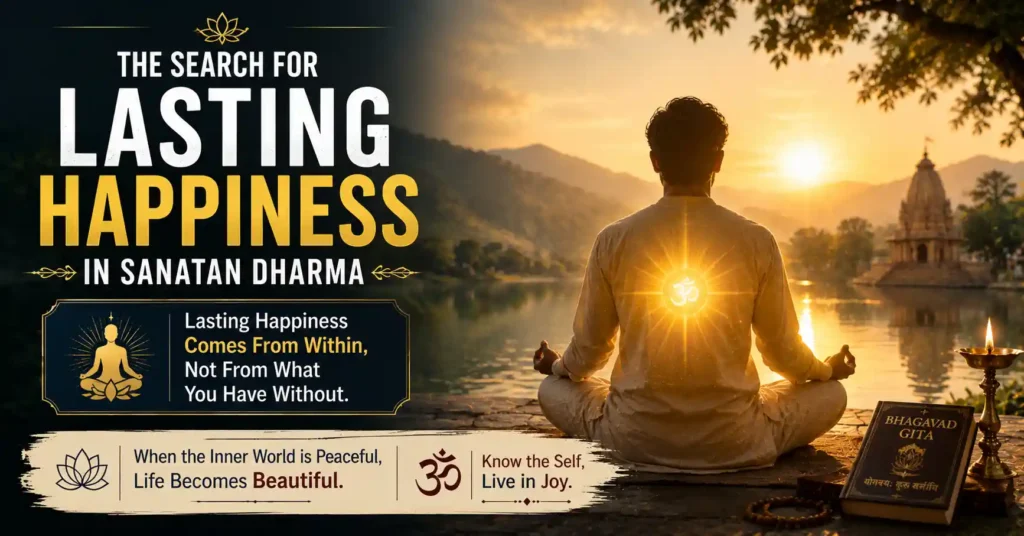
Lasting fulfillment is different. It comes from living with meaning, self-awareness, inner alignment, and a deeper connection with oneself.
Sanatan Dharma recognizes this distinction. External pleasures can bring enjoyment, but true contentment arises from understanding who we are beyond our roles, achievements, and possessions.
This is one reason inner emptiness can appear even after major accomplishments. The mind may receive what it wanted, yet the deeper need for meaning and connection remains unmet.
When people understand this difference, they stop looking for fulfillment only outside themselves and begin cultivating it from within.
Emotional Burnout and Inner Emptiness
Sometimes inner emptiness does not appear suddenly. It develops gradually through months or even years of emotional strain, mental pressure, and constant busyness.
When the mind remains under stress for long periods, it naturally looks for ways to protect itself. One of those protective responses is emotional withdrawal. Feelings become less intense, and emotional engagement begins to fade.
This is often known as emotional burnout. A person may continue functioning normally, but internally they feel drained, disconnected, and exhausted.
Activities that once brought joy may no longer feel meaningful. Relationships, hobbies, and personal goals can begin to lose their emotional impact, creating a growing sense of emotional emptiness.
Modern life often contributes to this problem. Many people spend their days thinking, planning, worrying, comparing themselves to others, and constantly responding to demands and distractions.
Over time, this continuous mental activity consumes emotional energy. When the mind becomes overwhelmed, numbness can feel easier than carrying the weight of constant stress.
As a result, people may begin to feel empty inside without understanding why. The real issue is not a lack of activity or achievement but a lack of emotional renewal, rest, and connection with oneself.
Recognizing emotional burnout is important because what appears to be inner emptiness may actually be a signal that the mind and heart need recovery, balance, and care.

Lack of Purpose and Inner Direction
Another important cause of inner emptiness is a lack of purpose and inner direction.
Not everyone needs a grand mission in life, but most people need a sense of meaning that helps them feel connected to what they do each day.
When daily activities become disconnected from personal values, growth, or deeper aspirations, life can start feeling repetitive. Responsibilities continue, but the sense of fulfillment gradually fades.
Many people find themselves moving from one task to another, completing routines and meeting expectations, yet feeling emotionally unfulfilled within.
At some point, a quiet question often begins to appear: “What is all this for?” This question is not necessarily a sign of negativity or dissatisfaction. In many cases, it is the beginning of greater self-awareness.
It reflects a natural desire to understand whether one’s actions, choices, and efforts are aligned with a deeper sense of purpose.
When meaning is missing, even a comfortable and successful life can feel incomplete. The absence of purpose creates a gap that external achievements alone cannot fill.
Over time, this lack of connection can contribute to inner emptiness, making life feel less engaging and reducing the sense of fulfillment that comes from living with intention and direction.
Finding purpose does not always require dramatic change. Sometimes it begins with understanding what truly matters, what brings genuine meaning, and how to live in greater alignment with those values.
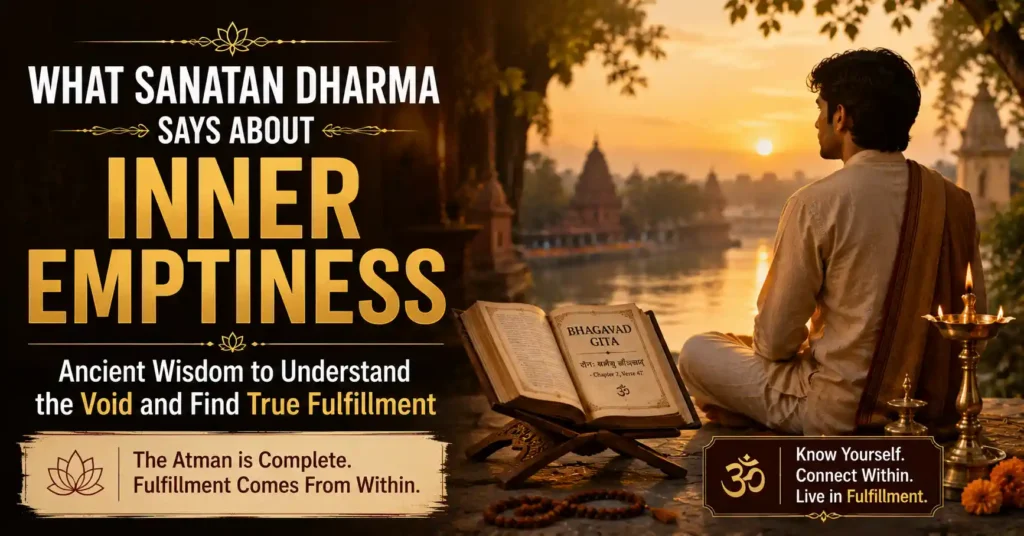
What Sanatan Dharma Says About Inner Emptiness
Sanatan Dharma teaches that lasting fulfillment cannot come solely from external achievements, possessions, or worldly success.
These things may bring comfort, convenience, and temporary happiness, but they cannot fully satisfy the deeper longing that exists within every human being.
The Upanishads and other spiritual teachings encourage seekers to look beyond external circumstances and understand their true nature. They remind us that genuine contentment arises from self-awareness, inner wisdom, and a deeper connection with the Self.
According to Sanatan thought, people often experience inner emptiness when they become completely identified with external roles, achievements, and expectations while neglecting their inner life.
A person may spend years pursuing success, recognition, or material goals and still feel that something important is missing. This is because the search for fulfillment is ultimately an inner journey, not merely an external one.
Sanatan Dharma does not teach rejection of the world or abandonment of responsibilities. Instead, it encourages balance between outer engagement and inner growth.
We can work, build relationships, pursue goals, and fulfill our duties while also nurturing self-awareness, reflection, devotion, and spiritual understanding.
When this inner connection becomes weak, a subtle feeling of emotional or spiritual emptiness may begin to appear. Life continues, but the deeper sense of meaning and fulfillment becomes harder to experience.
Seen from this perspective, inner emptiness is not always a problem to be feared. Sometimes it is a gentle reminder that the soul is seeking something deeper than temporary satisfaction.
It can become an invitation to reconnect with oneself, rediscover purpose, and move toward greater inner fulfillment, contentment, and spiritual growth.

How Modern Lifestyle Contributes to Inner Emptiness
Modern life often appears busy, connected, and full of activity. Yet for many people, this constant stimulation contributes to a growing sense of inner emptiness.
We are connected to devices, information, and social media throughout the day, but often spend very little time connecting with ourselves.
Notifications, endless scrolling, online comparison, and digital noise keep the mind occupied. While these activities provide temporary engagement, they rarely create lasting fulfillment or inner contentment.
Many people consume large amounts of information every day but still feel emotionally unsatisfied. This happens because consumption cannot replace meaningful connection with one’s thoughts, values, and inner life.
Over time, constant distraction makes it harder to sit quietly, reflect deeply, or understand what we are truly feeling. As self-awareness weakens, emotional disconnection often increases.
The mind becomes busy, but not necessarily fulfilled. Life feels active on the surface while a sense of meaning and inner fulfillment slowly fades beneath it.
This is one reason why people may feel empty inside despite being surrounded by entertainment, information, and constant activity.
Creating space for silence, reflection, and genuine self-connection helps restore the awareness that modern distractions often take away.
When we spend time understanding ourselves rather than constantly escaping ourselves, the experience of inner emptiness often begins to change.
The Role of Suppressed Emotions in Inner Emptiness
Sometimes inner emptiness is connected to emotions that were never fully acknowledged, expressed, or understood.
Many people learn to suppress difficult feelings. They push away sadness, disappointment, fear, guilt, or emotional pain because facing those emotions feels uncomfortable.
While avoidance may provide temporary relief, emotions rarely disappear on their own. Instead, they often remain beneath the surface, influencing thoughts, behavior, and emotional wellbeing in subtle ways.
Over time, carrying too many unprocessed emotions can create emotional distance. The mind gradually stops engaging deeply as a way of protecting itself from further discomfort.
This protective response may reduce emotional pain, but it can also reduce emotional connection. Joy, enthusiasm, and genuine engagement with life may become weaker as emotional numbness increases.
As a result, people may begin to feel empty inside without realizing that unresolved emotions are contributing to the experience.
In many cases, the problem is not the absence of feelings but the absence of emotional understanding. The emotions are still present, but they have not been fully seen, accepted, or processed.
Healing often begins when we create space to listen to what we are feeling instead of constantly pushing it away. As emotional awareness grows, the sense of inner emptiness often begins to soften as well.
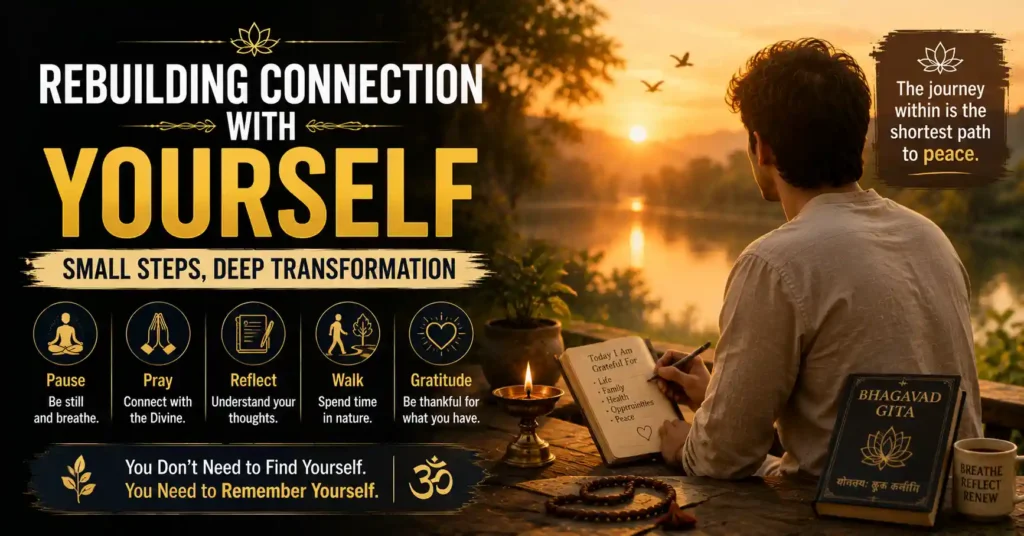
Rebuilding Connection With Yourself
One of the most effective ways to address inner emptiness is to rebuild your connection with yourself.
Many people try to overcome emotional emptiness by staying busy, seeking more achievements, or constantly distracting themselves. Yet lasting change often begins by slowing down and paying attention to what is happening within.
You do not need to solve every problem at once. Small moments of awareness can gradually restore a sense of connection, meaning, and inner fulfillment.
Some simple practices that can help include:
- Sitting quietly for a few minutes without distractions
- Writing honestly about your thoughts and feelings
- Reducing unnecessary screen time, especially before sleep
- Spending time in nature, silence, or mindful reflection
- Creating space for prayer, gratitude, or self-observation
These practices may seem simple, but they help strengthen self-awareness and reconnect you with parts of yourself that are often overlooked in daily life.
You do not need to force clarity or demand immediate answers. Sometimes understanding begins simply by creating space to listen.
Even lighting a diya, sitting peacefully for a few minutes, or offering a quiet prayer can create a sense of grounding and inner stability.
The goal is not to eliminate inner emptiness as quickly as possible. The goal is to understand what it is trying to reveal and to reconnect with yourself in a deeper and more meaningful way.
What Your Inner Self May Be Trying to Tell You
When you experience inner emptiness, the real need is often not external change but deeper inner reconnection.
Many people immediately look for solutions outside themselves. They seek new goals, new experiences, or new distractions, hoping the feeling will disappear. Yet lasting change usually begins by looking inward.
One of the most valuable things you can do is observe your thoughts without judging them and allow your emotions to exist without pushing them away.
Instead of asking, “How do I get rid of this feeling?” try asking:
- What am I truly feeling right now?
- What have I been ignoring within myself?
- What is this experience trying to teach me?
- What do I genuinely need at this stage of my life?
These questions are not meant to produce immediate answers. Their purpose is to encourage self-awareness and honest reflection.
In many cases, inner emptiness is not a sign that something is wrong. It is a signal that a deeper part of you is asking for attention, understanding, or meaningful change.
As you become more present with yourself, emotional clarity begins to grow. Thoughts become easier to understand, feelings become less overwhelming, and a stronger sense of connection gradually returns.
Over time, this awareness brings depth, meaning, and inner fulfillment back into your experience of life.
Could Inner Emptiness Be Trying to Teach You Something?
Many people see inner emptiness as something negative that should be removed as quickly as possible. Yet sometimes it serves a deeper purpose.
When you experience inner emptiness, it may be a sign that something within you needs attention, rest, healing, or understanding.
Rather than viewing it as an enemy, it can be helpful to see it as a message from parts of yourself that have been overlooked for too long.
Sometimes inner emptiness may be encouraging you to:
- Slow down and step away from constant busyness
- Reconnect with your emotions and inner world
- Reflect on what truly matters to you
- Live more honestly and authentically
- Rediscover your sense of purpose
- Create space for self-awareness and personal growth
The immediate urge is often to escape the discomfort through distraction, entertainment, or constant activity. However, lasting understanding rarely comes from avoidance.
When we sit with inner emptiness patiently and without judgment, it often begins to reveal important insights about what is missing and what needs attention.
What first appears as an uncomfortable void can gradually become an opportunity for self-discovery, personal growth, and deeper inner fulfillment.
Moving Forward With Greater Awareness
Experiencing inner emptiness does not mean something is wrong with you or that you are failing at life.
Many people go through periods when they feel emotionally disconnected, mentally exhausted, or uncertain about what truly matters to them.
Rather than criticizing yourself for these feelings, try approaching them with patience, honesty, and curiosity.
Sometimes inner emptiness appears during moments of transition, growth, or self-discovery. What feels uncomfortable today may be encouraging a deeper understanding of yourself tomorrow.
Instead of immediately searching for answers, begin by paying attention.
Ask yourself:
- What is this experience trying to show me?
- What have I been neglecting within myself?
- What would help me feel more connected and fulfilled?
- What truly matters to me at this stage of life?
You do not need perfect answers right away.
Often, healing begins when we stop resisting our experience and start listening to it with awareness.
The goal is not to force clarity or quickly eliminate inner emptiness. The goal is to understand it, learn from it, and allow it to guide you toward greater self-awareness, meaning, and inner fulfillment.
Conclusion
Experiencing inner emptiness is not a weakness. It is often a quiet signal that something within needs attention, understanding, or reconnection.
Life does not always need more activity, more success, or more distractions. Sometimes what we need most is greater awareness, presence, and a deeper connection with ourselves.
If you are experiencing inner emptiness, try slowing down for a moment. Give yourself permission to sit with your thoughts and feelings without immediately trying to fix or escape them.
Many of life’s most important insights arise when we stop running from discomfort and begin listening to it with patience and honesty.
What appears as emptiness today may actually be an invitation toward self-discovery, inner fulfillment, and a more meaningful way of living.
Stay present. Stay curious. Stay connected to yourself.
Over time, the experience of inner emptiness can become the beginning of a deeper journey toward purpose, contentment, and lasting happiness.
Key Takeaways
- Inner emptiness is not always sadness. It often feels like emotional disconnection, lack of fulfillment, or a sense that something important is missing within.
- External success does not automatically create inner fulfillment. A person can achieve goals, financial stability, and recognition while still feeling empty inside.
- Emotional burnout can contribute to inner emptiness. Constant stress, mental overload, and emotional exhaustion may gradually create feelings of numbness and disconnection.
- A lack of purpose or meaning often makes emptiness more noticeable. When daily life feels disconnected from personal values and deeper aspirations, fulfillment becomes harder to experience.
- Modern distractions can deepen inner emptiness. Excessive screen time, social media comparison, and constant stimulation can weaken self-awareness and self-connection.
- Unprocessed emotions may be part of the problem. Feelings that are ignored, suppressed, or avoided often remain beneath the surface and contribute to emotional disconnection.
- Sanatan Dharma teaches that lasting fulfillment comes from within. True contentment grows through self-awareness, inner understanding, spiritual growth, and connection with the Self.
- Inner emptiness is not always a problem to fix. Sometimes it is a signal that you need rest, reflection, healing, or a deeper connection with yourself.
- Small practices can make a meaningful difference. Silence, journaling, prayer, meditation, gratitude, and mindful self-reflection help rebuild inner connection over time.
- The journey from inner emptiness to inner fulfillment begins with awareness. When you stop running
Suggested Reading
If you are exploring inner emptiness, emotional disconnection, purpose, and spiritual growth, the following articles offer deeper insights from the perspective of Sanatan Dharma. They can help you better understand the mind, emotions, inner fulfillment, karma, spiritual wisdom, and the journey toward lasting peace and self-awareness.
What Is Inner Peace? A Sanatan Perspective on Calmness and Stability
https://thesanatantales.com/inner-peace/
Sthitpragya: Meaning, Qualities, Bhagavad Gita Teachings and Daily Life
https://thesanatantales.com/sthitpragya-meaning-qualities-bhagavad-gita/
Sattva Rajas Tamas (Triguna): Meaning, Significance and Role in Daily Life
https://thesanatantales.com/sattva-rajas-tamas/
Does the Soul Choose Its Next Journey? Rebirth, Karma and Consciousness in Sanatan Dharma
https://thesanatantales.com/does-the-soul-choose-its-next-journey/
Sanatan Dharma: Meaning, Origin, Core Principles and Way of Life
https://thesanatantales.com/sanatan-dharma/
Detachment in Hindu Philosophy: Meaning, Vairagya and the Path to Inner Freedom
https://thesanatantales.com/detachment-in-hindu-philosophy/
Forgiveness for Unintentional Sins in Sanatan Dharma: Meaning, Karma and Scriptural Remedies
https://thesanatantales.com/forgiveness-for-unintentional-sins-in-sanatan-dharma/
Emptiness (Wikipedia)
http://en.wikipedia.org/wiki/Emptiness
FAQs
What is inner emptiness?
Inner emptiness is a feeling of emotional disconnection, lack of fulfillment, or a sense that something important is missing within, even when life appears normal from the outside.
People often describe it as feeling numb, unfulfilled, disconnected from themselves, or unable to find meaning in everyday life. Research on lived experiences of emptiness has found that many people experience it as a sense of inner void, purposelessness, and disconnection rather than simple sadness.
In Sanatan Dharma, such experiences can sometimes arise when a person becomes disconnected from deeper self-awareness, purpose, or inner fulfillment.
Why do I feel empty inside even when life is good?
This often happens because external success and inner fulfillment are not always the same thing.
You may have financial stability, relationships, achievements, or comfort, yet still feel that something is missing. External accomplishments can improve life, but they do not automatically provide meaning, purpose, or lasting contentment.
Sometimes inner emptiness develops when a person spends years meeting expectations while neglecting emotional, spiritual, or personal needs. The outer life may look successful, but the inner life may feel disconnected.
Is inner emptiness the same as depression?
Not necessarily.
Inner emptiness and depression can share some similarities, such as feeling disconnected, unmotivated, or emotionally flat. However, they are not the same experience.
A person can experience inner emptiness without being clinically depressed. At the same time, persistent feelings of emptiness can sometimes occur alongside depression, burnout, grief, loneliness, or other emotional struggles.
If feelings of emptiness become severe, overwhelming, or interfere significantly with daily life, professional support may be helpful.
Can inner emptiness be a sign of spiritual growth?
Sometimes it can.
In many spiritual traditions, periods of dissatisfaction or questioning often arise before deeper self-discovery begins.
When old sources of happiness no longer feel meaningful, people naturally start looking beyond external achievements for lasting fulfillment. This search can become the beginning of a deeper spiritual journey.
In the context of Sanatan Dharma, inner emptiness may sometimes serve as an invitation to reconnect with the Self, explore deeper questions about life, and seek greater inner awareness.
How can I overcome inner emptiness?
The goal is not to fight inner emptiness but to understand it.
Start by creating space for self-reflection and honest awareness. Spend time understanding your thoughts, emotions, values, and priorities instead of constantly distracting yourself.
Helpful practices may include:
- Journaling and self-reflection
- Spending time in silence or nature
- Reducing digital distractions
- Prayer, meditation, or chanting
- Developing meaningful relationships
- Exploring your sense of purpose
Small, consistent steps often create deeper change than dramatic solutions.
What does Sanatan Dharma teach about inner emptiness?
Sanatan Dharma teaches that lasting fulfillment cannot come solely from external achievements, possessions, or worldly success.
The Upanishads and other spiritual teachings encourage individuals to understand their true nature and seek contentment within rather than depending entirely on external circumstances.
From this perspective, inner emptiness is not always a problem to be feared. Sometimes it is a reminder to reconnect with deeper awareness, spiritual values, and the inner Self.
Can social media and modern lifestyles contribute to inner emptiness?
Yes, they can.
Constant stimulation, comparison, notifications, and digital distractions can keep the mind busy while reducing opportunities for self-reflection and genuine connection.
Many people spend hours consuming information and entertainment but very little time understanding themselves. Over time, this can weaken self-awareness and contribute to emotional disconnection.
A busy life does not always create a meaningful life. Lasting fulfillment often requires balance between external activity and inner awareness.
How long does inner emptiness last?
There is no fixed timeline.
For some people, inner emptiness appears during periods of stress, transition, loss, or major life changes and gradually fades as circumstances improve.
For others, it may continue until deeper emotional, psychological, or spiritual needs are addressed.
The duration often depends less on time and more on whether the underlying causes are understood and explored with honesty and awareness.
Can inner emptiness lead to positive change?
Yes.
Although uncomfortable, inner emptiness can become a powerful catalyst for growth.
Many people discover greater self-awareness, clearer priorities, stronger values, and a deeper sense of purpose after confronting these feelings rather than avoiding them.
What initially feels like a void can sometimes become the starting point for meaningful transformation, inner fulfillment, and spiritual growth.
Glossary of Important Terms
| Term | Meaning |
|---|---|
| Inner Emptiness | A feeling that something meaningful is missing within, even when life appears successful or comfortable from the outside. |
| Emotional Emptiness | A state of emotional numbness, disconnection, or lack of engagement with one’s feelings and experiences. |
| Inner Fulfillment | A deep sense of satisfaction, meaning, and contentment that comes from within rather than from external achievements. |
| Self-Awareness | The ability to observe and understand your thoughts, emotions, habits, and inner experiences with clarity. |
| Sense of Purpose | A feeling that your life, actions, and efforts have meaning, direction, and significance. |
| Meaning in Life | The understanding that life has value, purpose, and a deeper significance beyond daily routines and achievements. |
| Contentment (Santosha) | A state of inner satisfaction and gratitude that does not depend entirely on external circumstances. |
| Spiritual Growth | The process of developing greater self-awareness, wisdom, inner peace, and connection with higher truths. |
| Self-Discovery | The journey of understanding who you are, what you value, and what brings genuine meaning to your life. |
| Emotional Burnout | Mental and emotional exhaustion caused by prolonged stress, pressure, or constant demands. |
| Emotional Numbness | A reduced ability to feel emotions deeply, often resulting from stress, burnout, or suppressed feelings. |
| Suppressed Emotions | Feelings that are ignored, avoided, or pushed aside rather than acknowledged and processed. |
| Inner Void | A subjective feeling of emptiness, disconnection, or lack of fulfillment within oneself. |
| Atman | In Sanatan Dharma, the eternal Self or true spiritual essence that exists beyond the body and mind. |
| Sanatan Dharma | The eternal spiritual tradition commonly known as Hinduism, centered on dharma, self-realization, karma, and spiritual growth. |
| Upanishads | Ancient Hindu scriptures that explore the nature of the Self, consciousness, reality, and spiritual wisdom. |
| Maya | The illusion that causes people to identify only with the material world and overlook deeper spiritual truths. |
| Attachment (Asakti) | Excessive dependence on people, possessions, outcomes, or expectations for happiness and security. |
| Vairagya | Detachment from excessive attachment and craving, allowing greater inner freedom and clarity. |
| Lasting Happiness | A stable sense of peace and fulfillment that comes from inner understanding rather than temporary pleasures. |
| Mindfulness | The practice of paying attention to the present moment with awareness and without judgment. |
| Inner Peace | A state of calmness, balance, and stability that remains relatively undisturbed by external circumstances. |
| Spiritual Emptiness | A feeling of disconnection from one’s deeper values, purpose, or spiritual nature. |
| Reflection | The practice of thoughtfully examining one’s thoughts, emotions, experiences, and actions. |
| Purposeful Living | Living with awareness, intention, and alignment between one’s values, actions, and goals. |
About the Author
Yateendra Chaturvedi is a spiritual writer, researcher, devotee, and the founder of The Sanatan Tales. With over 35 years of professional experience and a lifelong interest in Sanatan Dharma, he writes about Hindu deities, temples, scriptures, festivals, Mahavidyas, sacred stories, rituals, and living traditions that continue to guide and inspire devotees across India.
Drawing from traditional scriptures, regional beliefs, temple traditions, devotional literature, and historical sources, he aims to present authentic, well-researched, and easy-to-understand content for modern readers. His work focuses on preserving spiritual wisdom, explaining sacred traditions, and helping seekers develop a deeper understanding of India’s rich spiritual heritage.
Through The Sanatan Tales, Yateendra strives to make the timeless teachings of Sanatan Dharma simple, meaningful, and relevant for today’s generation while maintaining respect for traditional sources, regional practices, and diverse spiritual perspectives.
Learn More About Yateendra Chaturvedi →
https://thesanatantales.com/about-the-author/
References & Sources
This article is based on widely known spiritual concepts, philosophical teachings, traditional wisdom, and commonly accepted perspectives associated with Sanatan Dharma. The content draws upon ideas found in classical Hindu literature, spiritual traditions, devotional practices, yogic teachings, and broader discussions on personal growth, self-awareness, and inner wellbeing.
Note: Interpretations, beliefs, and practices may vary across different traditions, lineages, regions, communities, and individual practitioners. The purpose of this article is to present general spiritual and philosophical perspectives in a simple, practical, and reader-friendly manner. It is intended for educational and informational purposes and does not claim to represent the only or definitive viewpoint on the subject.
Explore More Fascinating Topics from Sanatan Dharma