
Across India, faith is not found only in grand temples or ancient scriptures. It also lives in villages, hills, forests, and sacred shrines, where local communities continue to worship their guardian deities with deep devotion.
When life becomes uncertain, many people first turn to their Gram Devta, village goddess, or regional guardian rather than travelling to a famous temple. This living tradition reflects a personal bond built on generations of faith, gratitude, and shared community beliefs.
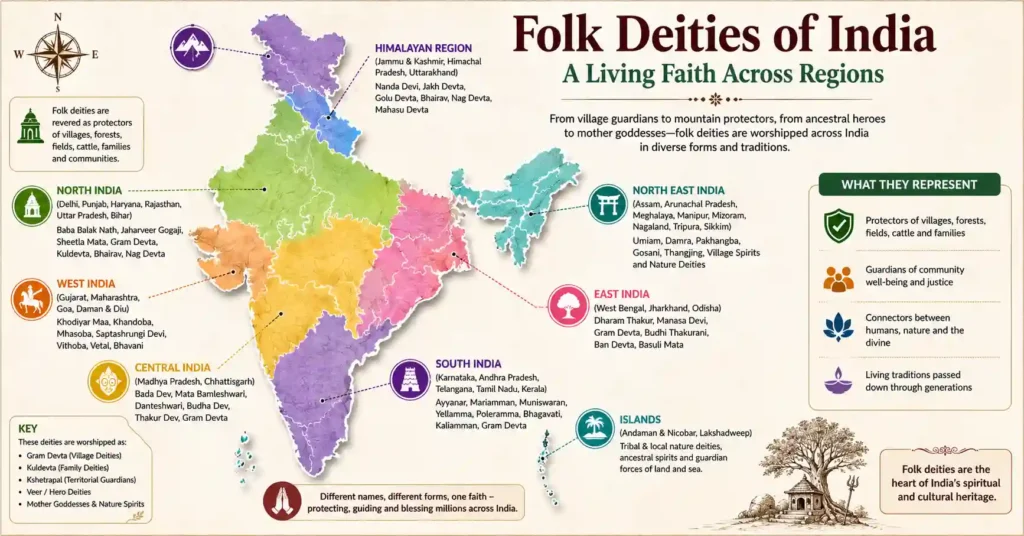
Folk Deities of India by Region reveal the rich diversity of Sanatan Dharma through local gods, goddesses, heroes, and protectors worshipped across different parts of the country. While their names, stories, and customs vary, they all represent the enduring spiritual heritage of their regions.
This guide helps you explore Folk Deities of India by Region, introducing the unique traditions of North India, Uttarakhand, Rajasthan, Maharashtra, Gujarat, and other regions. Along the way, you’ll discover their stories, temples, festivals, and the living faith that continues to unite generations of devotees.
This is where Sanatan Dharma comes alive through regional traditions, village worship, and timeless devotion that remains deeply rooted in everyday life.
At a Glance: Folk Deities of India by Region
| Aspect | Details |
|---|---|
| Focus | Regional folk deities worshipped across India |
| Traditions Covered | Village Gods, Gram Devta, guardian deities, folk heroes, mother goddesses |
| Major Regions | North India, Uttarakhand, Rajasthan, Maharashtra, Gujarat |
| Common Forms of Worship | Village shrines, sacred temples, festivals, family traditions, community rituals |
| Purpose of this Guide | Explore India’s regional folk traditions and discover related deity articles |
| Related Pillar | Folk Deities of India: Living Faith of the People |
Table of Contents
ToggleQuick Navigation to Folk Deities by Region
What Are Folk Deities of India by Region?
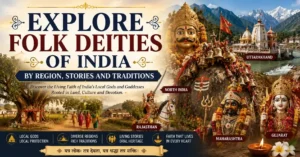
Explore the rich traditions of Folk Deities of India by Region through these regional guides. Each section introduces the guardian deities, local beliefs, sacred temples, and living traditions that make every region unique.
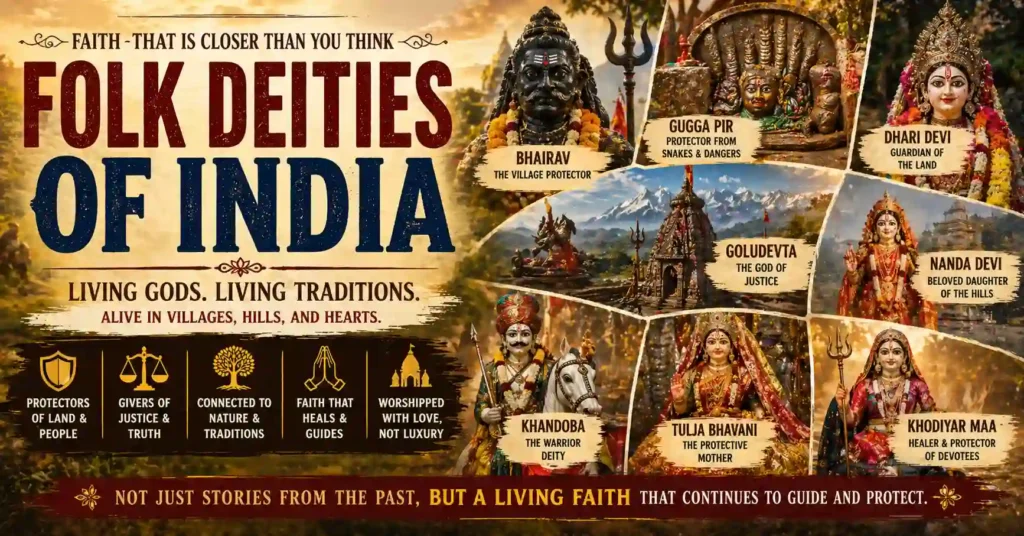
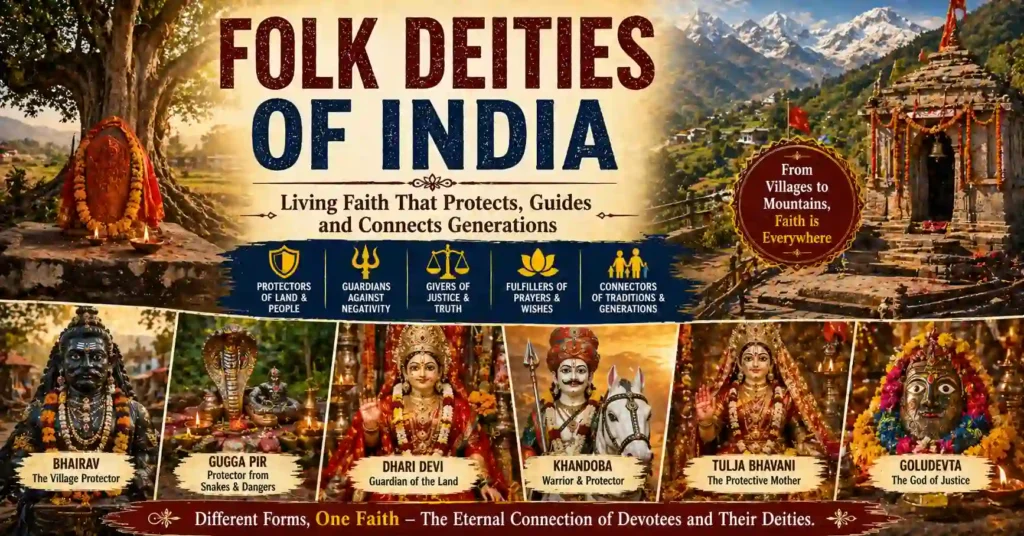
- North India – Bhairav, Gugga Pir and other guardian deities
- Uttarakhand – Dhari Devi, Nanda Devi and Goludevta
- Rajasthan – Hero deities, warrior traditions and village protectors
- Maharashtra – Khandoba, Tulja Bhavani and regional worship
- Gujarat – Khodiyar Maa and Shakti traditions
Select any region below to begin exploring its stories, temples, festivals, and enduring folk traditions.
Folk Deities of India by Region are local gods, goddesses, guardian spirits, and revered folk heroes worshipped by communities across different parts of the country. Each region has its own traditions, stories, and sacred places that reflect its unique cultural and spiritual heritage.
Unlike pan-Hindu deities worshipped throughout India, these regional folk deities are closely connected with village life, local history, nature, justice, protection, and community identity. Their worship is preserved through oral traditions, seasonal festivals, family customs, and village rituals.
From the Gram Devta of North India to the guardian deities of the Himalayas, Rajasthan, Maharashtra, Gujarat, and South India, these living traditions continue to shape the spiritual lives of millions. This guide helps you discover their stories, temples, and beliefs region by region.
Why Regional Folk Deities Feel Close to the People
Regional folk deities are not worshipped from a distance. For many families, they are trusted guardians who have protected villages, farms, forests, and communities for generations.
If you visit a village, you may find a small shrine beneath an ancient tree, beside a river, or at the edge of cultivated fields. These sacred places are often simple, yet they remain powerful centres of faith and community worship.
Many Village Gods of India and Gram Devtas are believed to have once lived among the people as saints, warriors, sages, or local protectors. Their stories have been preserved through oral traditions, village festivals, and generations of devotion.
This close relationship is what makes Folk Deities of India by Region unique. Their worship is rooted in everyday life, where faith is expressed through gratitude, protection, and a deep sense of belonging rather than elaborate rituals.
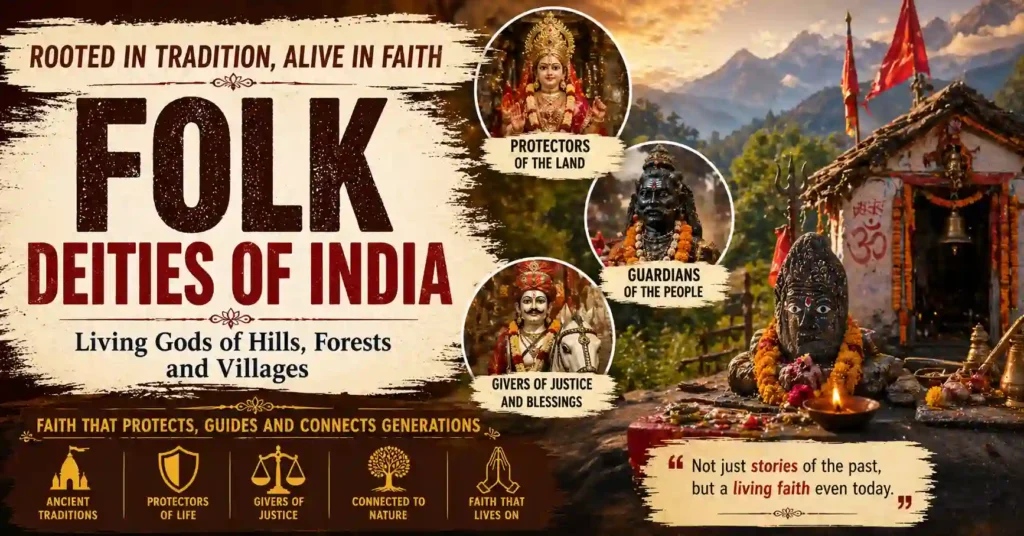
Why Devotees Feel a Personal Connection with Regional Folk Deities
Many devotees believe their prayers reach regional folk deities quickly because the relationship feels deeply personal. This belief does not place them above other Hindu deities but reflects the closeness people feel with their local guardian.
Worship is often simple and heartfelt. A quiet prayer at a village shrine, a folded hand, or a sincere promise is considered enough to express devotion. These traditions have been passed down through families for generations.
Because these deities are closely linked to the land, rivers, forests, and communities where people live, they become part of everyday life. This strong emotional bond keeps their worship alive through local customs, annual festivals, and community traditions.
Across Folk Deities of India by Region, devotees continue to share stories of answered prayers, protection, and guidance. Whether understood as spiritual grace or the strength of faith, these experiences continue to inspire trust and devotion.
How Folk Deities Become Part of Everyday Life
For many devotees, Folk Deities of India by Region are not worshipped only during festivals or special occasions. They become a part of everyday life, guiding important decisions, offering comfort, and strengthening faith through daily prayers.
Many people regard Sanwariya Seth as a divine business partner, seeking blessings before starting work, making important financial decisions, or sharing a portion of their earnings as an expression of gratitude. Read more about his traditions here: https://thesanatantales.com/sanwariya-seth-temple-mandfiya/
Similarly, countless devotees turn to Khatu Shyam Baba during difficult phases of life, believing that sincere devotion brings courage, hope, and inner strength in times of uncertainty. Learn more here: https://thesanatantales.com/khatu-shyam-baba/
These are just a few examples of how regional folk deities continue to shape everyday life across India. Each region has its own guardian deity, local traditions, and unique stories that reflect the enduring bond between communities and their sacred protectors.
North Indian Folk Deities and Living Traditions
North India is home to many regional folk deities whose worship continues to shape village life, local customs, and community traditions. Their sacred shrines remain important centres of faith, where devotees seek protection, guidance, and blessings.
One of the most widely revered guardian deities is Bhairav, worshipped in many villages as Kshetrapal and Gram Devta. Devotees believe he protects village boundaries, removes negative influences, and watches over the community. Learn more in Powerful Bhairav Worship in North Indian Villages as Kshetrapal & Gram Devta.
Another beloved figure is Gugga Pir, honoured as a protector against snakebites and a symbol of harmony across communities. His worship reflects how regional folk traditions often bring people together beyond social and religious boundaries. Read more in Gugga Pir: The Folk Snake Deity of North India Who Protects Life Beyond Religion.
These examples show how North Indian Folk Deities continue to preserve living traditions that have been passed down through generations, keeping local faith and cultural heritage alive.
Uttarakhand Folk Deities and Himalayan Traditions
The Uttarakhand Folk Deities reflect a unique blend of devotion, nature, and Himalayan traditions. Across the mountains, rivers, and villages, local communities continue to worship guardian deities who are deeply connected with the region’s spiritual and cultural identity.
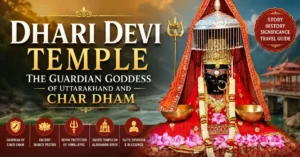
Among the most revered is Dhari Devi, the guardian goddess of Uttarakhand and the protector of the Char Dham region. Devotees believe she safeguards the land and maintains the sacred balance of the Himalayas. Read more in Dhari Devi: The Guardian Goddess of Uttarakhand and Char Dham.
Another beloved deity is Nanda Devi, worshipped as the divine daughter of the Himalayas. Her devotion reaches its peak during the sacred Nanda Devi Raj Jat Yatra, one of the region’s most important spiritual pilgrimages. Learn more in Nanda Devi: The Beloved Folk Goddess of Uttarakhand.
Many devotees also place deep faith in Goludevta, the revered god of justice. At temples such as Chitai, people offer written petitions, believing he listens to sincere prayers and helps uphold truth and fairness. Explore Goludevta: The Folk God of Justice in Uttarakhand.
Together, these deities represent the rich spiritual heritage of the Himalayas, where regional folk traditions, sacred shrines, and centuries-old beliefs continue to inspire devotion across generations.
Hero deities are historical warriors who became gods due to their sacrifice, truthfulness, and protection of people and cattle.
Rajasthan Folk Deities and Heroic Traditions
Rajasthan is home to many folk deities who are remembered as brave warriors, protectors, and guardians of dharma. Their lives continue to inspire devotion across villages, where faith is closely connected with courage, sacrifice, and honour.
Unlike many other regional traditions, the Rajasthan Folk Deities are often celebrated as historical heroes whose memories live on through folk songs, village fairs, oral traditions, and community rituals. Their stories remain an important part of the state’s cultural heritage.
Explore these inspiring traditions in Lok Devtas of Rajasthan , where you’ll discover the lives, legends, and enduring legacy of the region’s most revered folk heroes.
Maharashtra Folk Deities and Sacred Traditions
The Maharashtra Folk Deities reflect a rich tradition of courage, devotion, and Shakti worship. Across the state, guardian deities and mother goddesses continue to play an important role in village life, family traditions, and regional festivals.
One of the most revered is Khandoba, the warrior deity of Jejuri Temple, who is worshipped as a protector and Kuladevata by many communities. His grand Jatras and vibrant celebrations attract thousands of devotees every year. Explore Khandoba God: Story, Jejuri Temple, Jatra, Mela Dates and Spiritual Significance.
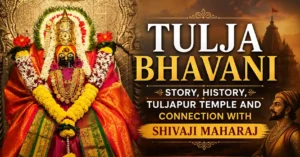
Another beloved deity is Tulja Bhavani, the powerful mother goddess who is closely associated with Chhatrapati Shivaji Maharaj. Devotees worship her as a source of courage, protection, and divine blessings. Read Tulja Bhavani: The Mother Who Blessed Shivaji Maharaj.
Together, these traditions highlight the enduring faith of Maharashtra, where regional folk deities, sacred temples, and community worship continue to preserve a living spiritual heritage across generations.
Gujarat Folk Deities and Shakti Traditions
The Gujarat Folk Deities reflect a rich tradition of devotion, courage, and Shakti worship. Across the state, local communities continue to honour guardian goddesses who are believed to protect families, preserve traditions, and guide devotees through life’s challenges.
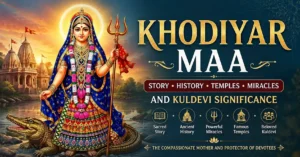
Among the most revered is Khodiyar Maa, worshipped as a powerful protector and compassionate mother goddess. She is especially honoured by many communities in Gujarat, where devotees seek her blessings for courage, well-being, and protection during difficult times. Explore Khodiyar Maa: Story, History, Temples and Significance.
Her worship continues through sacred temples, annual festivals, family traditions, and heartfelt prayers, making Khodiyar Maa one of the most beloved regional deities of Gujarat and an enduring symbol of faith and resilience.
Regions Coming Soon
India’s folk traditions extend far beyond the regions covered in this guide. We are continuously expanding this collection to include more regional folk deities and their unique traditions.
Upcoming regional guides include:
- South India Folk Deities
- Eastern India Folk Deities
- Central India Folk Deities
- North East India Folk Deities
- Western India Folk Deities
Each guide will explore the region’s guardian deities, village gods and goddesses, sacred temples, festivals, and living traditions, helping you discover the remarkable diversity of Folk Deities of India by Region.
Explore Folk Deities of India by Region
Folk Deities of India by Region reveal the remarkable diversity of India’s living spiritual traditions. From the Himalayas to the western deserts and from forests to village communities, every region has its own guardian deities, sacred stories, and unique customs that continue to inspire generations.
If you would like to explore these traditions in greater depth, begin with these regional guides:
- Folk Deities of Uttarakhand and Himachal: Gods of Hills and Forests
- Folk Deities of North India: Living Gods of Hills, Forests, and Villages
- Folk Deities of India: Living Faith of the People
Together, these guides showcase the rich heritage of Regional Folk Deities of India, helping you discover how local faith, community traditions, and sacred places have preserved Sanatan Dharma across every corner of the country.
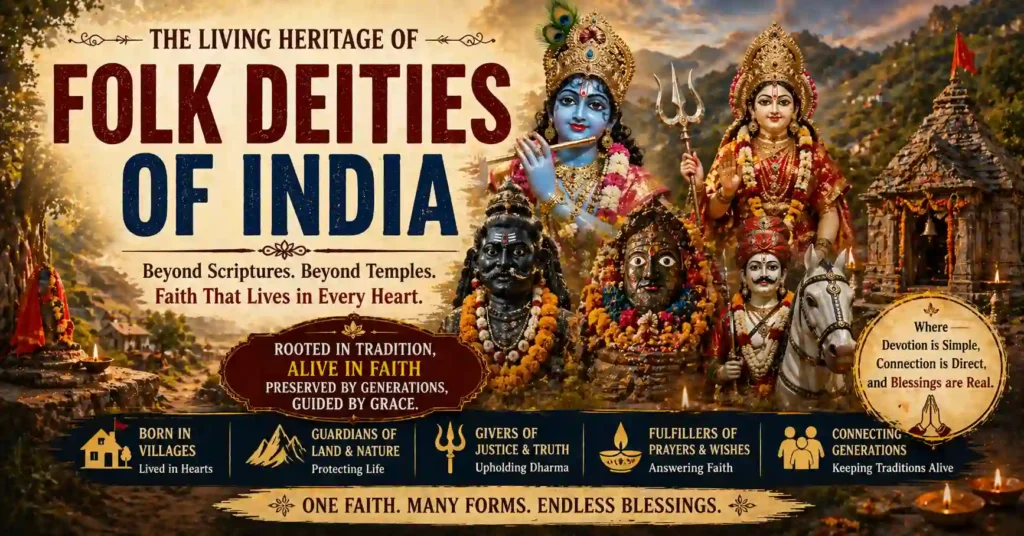
How Regional Folk Traditions Reflect Sanatan Dharma
Many readers wonder how Folk Deities of India by Region fit within the broader tradition of Sanatan Dharma.
While many regional deities are not described in the major scriptures, their worship has flourished for centuries through local customs, family traditions, village temples, and community festivals. These practices form an important part of India’s living spiritual heritage.
The diversity of regional folk traditions shows how Sanatan Dharma has been preserved not only through sacred texts but also through the faith and devotion of local communities across different parts of the country.
To understand this relationship in greater depth, explore Folk Deities of India: Living Faith of the People, which explains the origins, philosophy, and place of folk deities within the wider tradition of Sanatan Dharma.
Explore the Living Traditions of Folk Deities Across India
The traditions of Folk Deities of India by Region continue to thrive because they remain closely connected with the lives of local communities. Across villages, mountains, forests, deserts, and towns, these guardian deities are remembered through temples, festivals, family customs, and generations of devotion.
Every region has its own sacred stories, unique traditions, and beloved deities waiting to be discovered. Exploring them offers a deeper understanding of India’s rich spiritual and cultural heritage beyond the well-known pilgrimage centres.
As new regional guides and individual deity articles are added, this page will continue to serve as your gateway to the diverse and living traditions of Regional Folk Deities of India, helping you explore the many ways faith continues to flourish across the country.
Conclusion
Folk Deities of India by Region reflect the remarkable diversity of Sanatan Dharma and the enduring traditions preserved by local communities across the country. From the guardian deities of the Himalayas and the heroic folk gods of Rajasthan to the sacred traditions of Maharashtra and Gujarat, each region offers a unique glimpse into India’s living spiritual heritage.
As you explore these regional guides, you’ll discover how village worship, local customs, sacred shrines, and community festivals continue to keep these traditions alive. Whether you are a devotee, traveller, researcher, or simply curious about India’s cultural heritage, this guide serves as a gateway to understanding the rich and diverse world of India’s regional folk deities.
Suggested Reading
If you enjoyed exploring Folk Deities of India by Region, you may also like these articles that explore India’s regional traditions, guardian deities, folk heroes, and living spiritual heritage in greater depth.
Folk Deities of India: Living Faith of the People
https://thesanantales.com/folk-deities-of-india/
Folk Deities of North India: Living Gods of Hills, Forests, and Villages
https://thesanantales.com/folk-deities-of-north-india/
Folk Deities of Uttarakhand and Himachal: Gods of Hills and Forests
https://thesanantales.com/folk-deities-of-uttarakhand-and-himachal/
Hero Deities of Rajasthan
https://thesanantales.com/hero-deities-of-rajasthan/
Khandoba: Story, Jejuri Temple and Spiritual Significance
https://thesanantales.com/khandoba-god-jejuri-temple-story/
Khodiyar Maa: Story, History, Temples and Significance
https://thesanantales.com/khodiyar-maa/
Gramadevata (Wikipedia)
https://en.wikipedia.org/wiki/Gramadevata
FAQs
What are Folk Deities of India?
Folk Deities of India are regional gods, goddesses, guardian spirits, and revered folk heroes worshipped by local communities across different parts of the country. Unlike deities whose worship is widespread throughout India, these deities are closely associated with specific villages, regions, mountains, forests, rivers, or communities.
Their worship reflects local history, cultural identity, and centuries-old traditions that continue to thrive through village temples, festivals, oral stories, and family customs. Together, these regional traditions form an important part of India’s living spiritual heritage.
Are Folk Deities part of Sanatan Dharma?
Yes, many devotees regard folk deities as an integral part of the living traditions of Sanatan Dharma. While many regional deities are not extensively described in major scriptures, their worship has been preserved for generations through local customs, community festivals, temple traditions, and oral history.
These practices demonstrate how Sanatan Dharma has evolved across different regions while maintaining its core values of devotion, dharma, gratitude, and respect for the Divine in many forms.
Why do people worship Folk Deities?
People worship folk deities for many reasons, including seeking protection, guidance, courage, well-being, and blessings for their families and communities. Many devotees also offer prayers before important life events, agricultural seasons, village festivals, or journeys.
Because these deities are closely connected with local communities, many people feel a personal relationship with them. The customs and beliefs surrounding their worship vary from one region to another, making every tradition unique.
How are Folk Deities different from widely worshipped Hindu deities?
Widely worshipped Hindu deities such as Shiva, Vishnu, Durga, and Ganesha are revered across India and are prominently described in sacred scriptures. Folk deities, on the other hand, are primarily associated with particular regions, villages, or communities and are remembered through local traditions, folklore, and community worship.
Rather than replacing mainstream Hindu worship, regional folk deities often complement it, reflecting the diversity and inclusiveness of Sanatan Dharma.
Which regions of India have Folk Deities?
Nearly every region of India has its own folk deities and local guardian traditions. North India, Uttarakhand, Rajasthan, Maharashtra, Gujarat, South India, Eastern India, Central India, and the North East all preserve unique forms of regional worship.
Each region has its own sacred stories, temples, festivals, and customs that have been passed down through generations, creating a rich tapestry of living spiritual traditions across the country.
Can anyone worship Folk Deities?
Yes. Most folk deity traditions welcome anyone who approaches with sincerity and respect. While some rituals or festivals may be closely connected with specific local communities or family traditions, visitors and devotees are generally welcome to offer prayers at temples and shrines.
When visiting a regional shrine, it is always respectful to follow local customs, dress modestly, and observe the traditions practiced by the community.
Why are Folk Deities important in Indian culture?
Folk deities help preserve India’s regional history, oral traditions, festivals, and community identity. Their stories often reflect local values such as courage, justice, compassion, protection, and harmony with nature.
Even today, these traditions continue to bring communities together through annual festivals, temple gatherings, and shared acts of devotion. They remain an important bridge between India’s cultural heritage and its living spiritual practices.
Glossary of Important Terms
| Term | Meaning |
|---|---|
| Folk Deity | A regional god, goddess, guardian spirit, or revered folk hero worshipped by local communities through traditions passed down over generations. |
| Gram Devta | The guardian deity of a village, believed to protect the local community and bring peace, prosperity, and well-being. |
| Kuladevata | A family or clan deity traditionally worshipped by generations of the same lineage for blessings and spiritual guidance. |
| Kshetrapal | A guardian deity who protects a specific village, temple, sacred place, or geographical region. |
| Guardian Deity | A deity revered as the protector of a community, family, village, or region, often associated with safety, justice, and prosperity. |
| Oral Tradition | Stories, legends, hymns, and customs preserved through spoken word and passed from one generation to another. |
| Jatra | A traditional religious fair, pilgrimage, or annual festival celebrated in honour of a deity with rituals, processions, and community participation. |
| Sacred Shrine | A place of worship dedicated to a deity or revered figure, ranging from a simple village shrine to an established temple. |
| Regional Tradition | Religious beliefs, customs, festivals, and practices unique to a particular state, region, or local community within India. |
| Sanatan Dharma | The eternal spiritual tradition of India that embraces diverse philosophies, scriptures, rituals, and regional forms of worship while recognising many paths to the Divine. |
About the Author
Yateendra Chaturvedi is a spiritual writer, researcher, devotee, and the founder of The Sanatan Tales. With over 35 years of professional experience and a lifelong interest in Sanatan Dharma, he writes about Hindu deities, temples, scriptures, festivals, Mahavidyas, sacred stories, rituals, and living traditions that continue to guide and inspire devotees across India.
Drawing from traditional scriptures, regional beliefs, temple traditions, devotional literature, and historical sources, he aims to present authentic, well-researched, and easy-to-understand content for modern readers. His work focuses on preserving spiritual wisdom, explaining sacred traditions, and helping seekers develop a deeper understanding of India’s rich spiritual heritage.
Through The Sanatan Tales, Yateendra strives to make the timeless teachings of Sanatan Dharma simple, meaningful, and relevant for today’s generation while maintaining respect for traditional sources, regional practices, and diverse spiritual perspectives.
Learn More About Yateendra Chaturvedi →
https://thesanatantales.com/about-the-author/
References & Sources
This article is based on beliefs and traditions followed across various regional and folk traditions of Sanatan Dharma, including village worship, oral traditions, local customs, temple practices, and cultural heritage preserved by communities throughout India. It also draws upon historical, religious, and cultural study sources to present an overview of India’s diverse folk deity traditions.
Note: Beliefs, stories, names, rituals, and methods of worship associated with folk deities may vary across regions, communities, and traditions. The purpose of this article is not to establish any single belief or practice as the absolute truth, but to provide a simple, respectful, and informative introduction to the living traditions of Folk Deities of India by Region, while acknowledging the rich diversity that exists within Sanatan Dharma.
Explore More Fascinating Topics from Sanatan Dharma
I strongly believe that many folk deities may have been ancient extraterrestrial beings who once visited Earth, leaving behind mysterious structures like Ram Setu and the Great Pyramids of Giza. Their advanced powers or technology may have led ancient civilizations to worship them as Gods.